Saudi Arabia in Recession: GDP Fell 4.8%, US-Iran War Pushes Oil Prices Above $100
Second Quarter Sees Sharpest Drop Since Pandemic, as Oil Sector Plunges 24.7% and Conflict Blocks Strait of Hormuz, Disrupting Global Supply.
Second Quarter Sees Sharpest Drop Since Pandemic, as Oil Sector Plunges 24.7% and Conflict Blocks Strait of Hormuz, Disrupting Global Supply.
Saudi Arabia recorded its steepest quarterly economic decline since the COVID-19 pandemic, the General Authority for Statistics (GASTAT) announced on Thursday. Gross domestic product (GDP) in the second quarter of 2026 plunged 4.8% year-on-year, primarily due to a collapse in the oil sector, which fell by as much as 24.7% over the same period, according to data reported by the portal Financije.hr.
Meanwhile, the non-oil part of the economy registered only a modest growth of 0.6%, as shown by figures from Al Mayadeen English. Financije.hr cites a slightly higher figure for other sectors, 0.9%, but both sources confirm that the kingdom is sliding into recession under the burden of the US-Iran war, which for five months has been blocking key shipping routes and driving up energy prices.
On a quarterly basis, the seasonally adjusted decline in activity from April to June was 4.9%, following a 1.2% drop in the first quarter. The oil sector plunged 21.5% in the spring months compared to the previous three months. These figures come at a time when the war between the US and Iran is reigniting with new rocket barrages, and hopes for a swift diplomatic solution are fading.
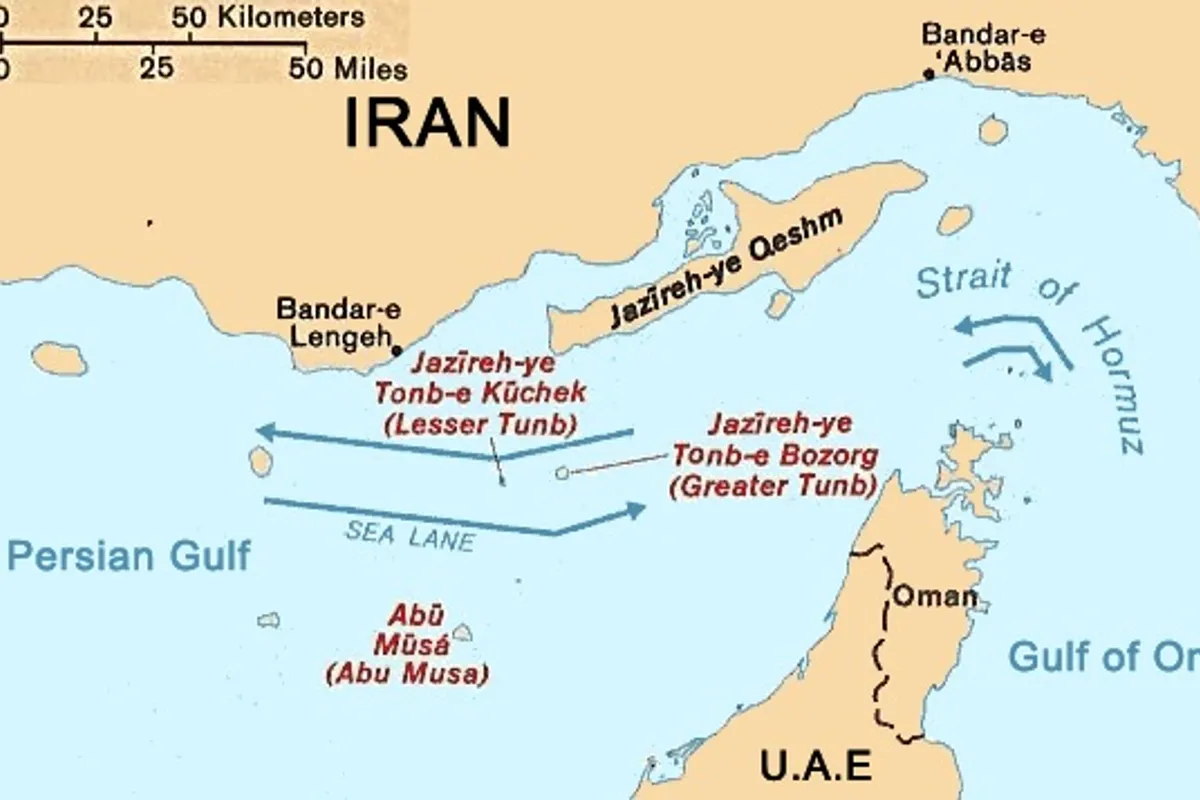
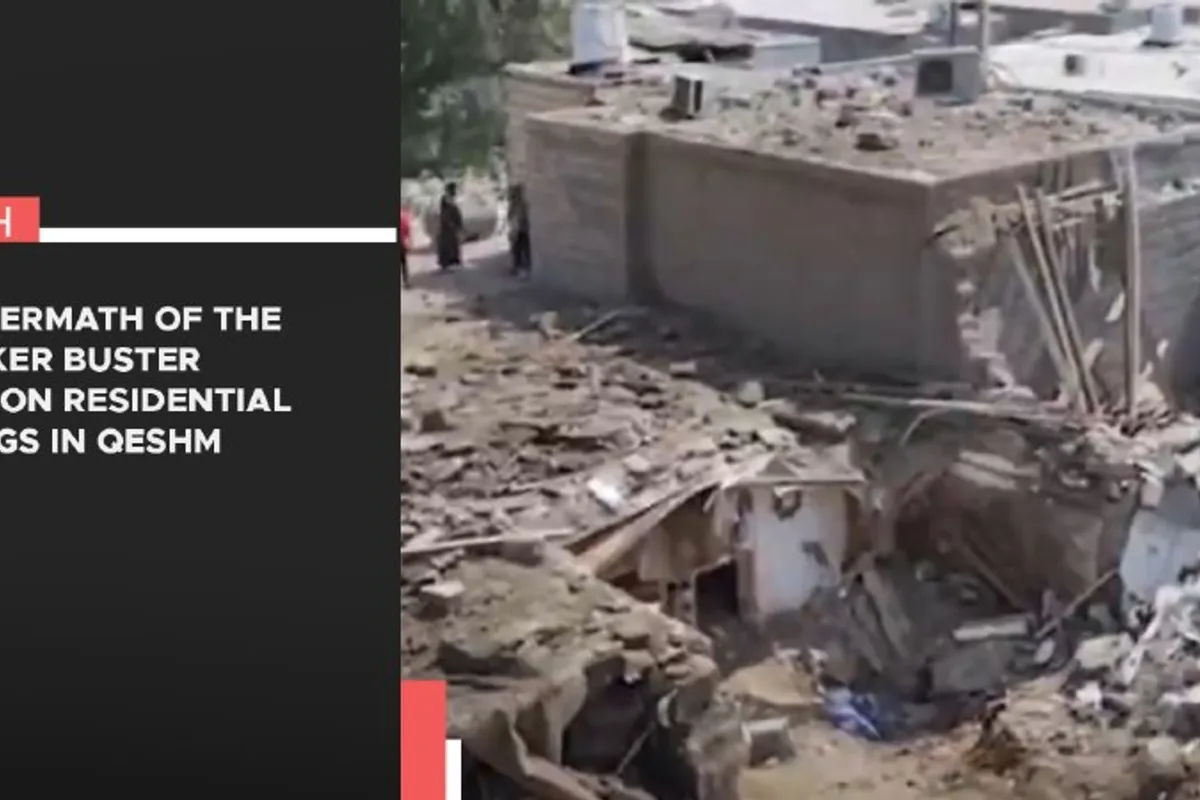
The conflict escalated on July 30, 2026, when the US and Iran exchanged projectiles. US Central Command (CENTCOM) announced it had carried out a "heavy wave of strikes on Iran," targeting Iranian Revolutionary Guard Corps (IRGC) positions, including command centers, missile and drone facilities, and coastal sites. Iran's official news agency IRNA reported three dead and two wounded on Qeshm Island in the Strait of Hormuz, while Iran's Tasnim agency, citing footage of destruction, claimed that so-called bunker-busters were used and that at least three members of the same family, including a child, were killed.
"We will hit them hard because it's our turn now. They know it's coming," President Donald Trump told reporters in the Oval Office, adding in a Fox News interview: "We will beat them senseless."
Just a day earlier, Iran attempted a surprise missile attack on US forces, but all missiles were intercepted, according to CENTCOM. Jordan downed Iranian missiles for a second consecutive day, and in Kuwait, a missile struck a building belonging to a Chinese company, killing a worker.
Iran began laying mines in the Strait of Hormuz back in March 2026, through which a fifth of the world's oil passes. According to an analysis by SouthFront, this decision shaped the war more than anything else. The threat alone was enough to push the price of a barrel above $100 for the first time since 2022, later reaching $120. Gasoline in the US rose by 50 cents per gallon in the week following the escalation.
"Iran is unlikely to allow the normalization of the strait until it assesses that the Americans have learned a lesson," assessed Esfandyar Batmanghelidj, author of an analysis on the 'Hormuz recompense' for the London-based think tank Bourse and Bazaar Foundation. Lyle Goldstein, Director of Asian Engagement at Defense Priorities, said: "We are in serious trouble."
Diplomatic efforts, including those involving Pakistan, have so far yielded no progress. Pakistani Foreign Ministry spokesperson Tahir Andrabi said at a briefing that "negotiations between the parties are ongoing to normalize the situation, particularly in the Strait of Hormuz, and to reduce tensions."
The war is spilling over into neighboring countries. American-Saudi strikes on pro-Iranian Popular Mobilization Forces (PMF) in Iraq on July 28, 2026, killed at least 20 fighters and, according to various sources, between four and six Iranian advisors. A drone attack also caused fires on ships in an Egyptian port last week.
The Center for Strategic and International Studies (CSIS) estimates that US Patriot interceptor stocks have fallen below 1,000, and THAAD systems to around 250. The Trump administration has requested $95 billion for ammunition in the fiscal year 2027 budget, plus an additional $21 billion in war supplemental funds.
Although Croatia has no direct military ties to the conflict, the consequences are being felt through energy prices and global inflation. Ian Lesser, a senior analyst at the German Marshall Fund, warned: "It's one thing to ask Europe to help with an agreed strategy, but there is no agreed strategy. Indeed, it's not even clear what the US strategy is at this point." For Croatian citizens, this means uncertainty at the pump and a possible new squeeze on the cost of living.