Hidden Faces of Dubrovnik: Exhibition Reveals Changes Over 30 Years
Photographer Mara Bratoš showcases works from 1995 and 2025 that bear witness to the transformation of a war-scarred city into today's tourist icon.
Photographer Mara Bratoš showcases works from 1995 and 2025 that bear witness to the transformation of a war-scarred city into today's tourist icon.
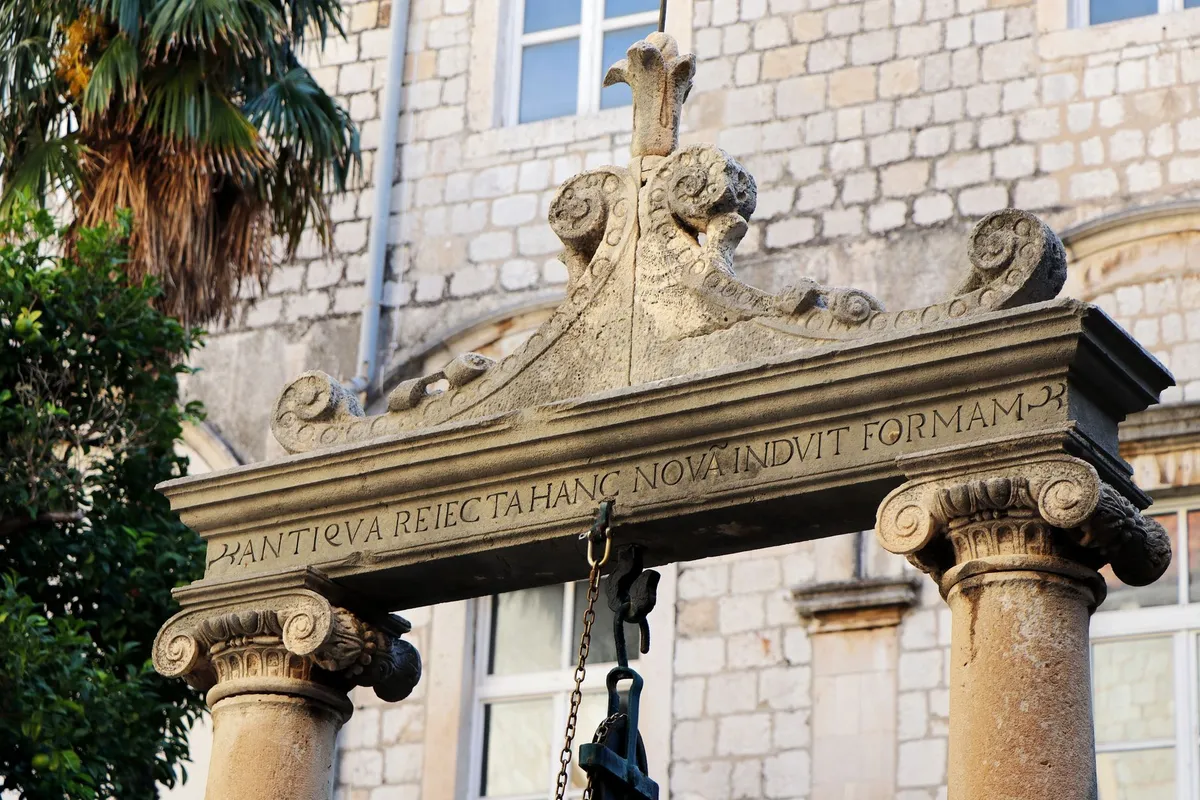
Dubrovnik as tourists rarely see it, the one hidden behind postcards and gleaming facades, is the subject of a new exhibition by photographer Mara Bratoš. At the Otok Gallery, part of the Art Workshops Lazareti, on August 11, 2026, at 9 PM, an exhibition opens that captures the city's transformation over the past thirty years through the lens.
The story begins in 1995, immediately after the Homeland War. Bratoš, then a student at the Zagreb Academy of Film, found a city that, according to the exhibition's announcement, "still bore visible traces of destruction as well as that dull silence that echoed off its walls". However, instead of documenting the obvious wounds, her gaze sought something else.
"Former places of gathering, rest, and entertainment had become empty, neglected, or forgotten exteriors. It was precisely such spaces that attracted artist Mara Bratoš," the announcement explains. "She was not interested in postcard views of Dubrovnik, but rather its hidden faces-places that Dubrovnik residents recognize and carry in their collective memory."
The black-and-white photographs from 1995 depict spaces stripped of their original function: the entrance to Villa Šeherezada, the Hotel Argentina, Uvala Lapad with the Elita and Wolff villas, the water polo court at Porporela, or the ping-pong tables in front of the Hotel Neptun. Former hubs of tourist life had become empty backdrops.
"In the black-and-white photographs, these settings appear almost cinematic. They are empty, silent, and slightly menacing, like stage sets from which we sense that something has just happened or is about to happen," reads the exhibition description. One can also recognize in them, it adds, a "Lynchian sense of uncertainty, mystery, and unease, in which ordinary spaces become stages for untold stories."
In 2025, Bratoš returned to the same locations, but the approach was no longer the same. She was not allowed into the Hotel Argentina, and at Šeherezada she could only photograph the entrance. "The reasons remain aside-whether it is due to renovations, changed rules of use, or simply the new identity of these places," the announcement states.
The new photographs are not replicas of the old ones, but rather testimonies of change. Some spaces have been renovated, others have lost their amenities-the ping-pong tables at Neptun are gone, and no one plays chess on the chessboard anymore. Some places remain behind doors that no longer open to everyone.
The organizers emphasize that Bratoš "does not offer nostalgia for a lost Dubrovnik, nor does she attempt to compare what was better or worse. She observes how the City changes its face and how our experience of space changes with those transformations." The exhibition remains open until September 1, 2026.