Strong magnitude 7.1 earthquake hits Kumamoto, tsunami warning lifted
Power outages, transport suspensions, and injuries, but no tsunami threat outside Japan
Power outages, transport suspensions, and injuries, but no tsunami threat outside Japan
A magnitude 7.1 earthquake struck Japan's Kumamoto Prefecture on the island of Kyushu on Tuesday afternoon, causing power outages, transport suspensions, and several injuries. According to the Japan Meteorological Agency (JMA), the quake occurred at 4:29 p.m. local time at a depth of 10 kilometers, and a tsunami warning was issued for the Ariake Sea and Yatsushiro Sea, but it was quickly lifted as no tsunami activity was observed.
While most sources, including Reuters, NRK, and Channel News Asia, reported a magnitude of 7.1, the New York Times initially reported a magnitude of 6.8, attributed to an earlier preliminary estimate. Japan's own Shindo intensity scale reached the highest level of 7 in the city of Uki and the town of Hikawa in Kumamoto, reported 24sata, while an intensity of 6+ was recorded in the cities of Yatsushiro, Uto, Misato, and Mashiki.
Immediately after the earthquake, the JMA issued a tsunami warning with waves up to one meter high for the Ariake Bay and Yatsushiro Sea. A spokesman for the agency warned the public: "The sea and coastal areas are dangerous. Please move away from the coast immediately. Also, until the warning is lifted, do not enter the sea or approach the coast," reported Net.hr. However, according to Pakistan's Dawn, the warning was removed from the agency's website less than two hours after the earthquake.
"This earthquake occurred inland and no tsunami activity has been observed so far. Therefore, we hope to lift the tsunami warning relatively early, depending on future sea level conditions," a JMA spokesman told Dawn. The U.S. Pacific Tsunami Warning Center (PTWC) said there is no tsunami threat outside Japan, including Hawaii and American Samoa, reports the Jerusalem Post.
The earthquake caused power outages in about 40,000 households, reported Kyushu Electric Power, while railway operator JR Kyushu suspended all services, including Shinkansen bullet trains, reports Dawn. The Japanese government issued emergency earthquake warnings for seven prefectures on Kyushu: Kumamoto, Nagasaki, Kagoshima, Fukuoka, Saga, Oita, and Miyazaki. Technology companies Sony and TSMC, the world's largest contract chipmaker, have facilities in the affected area; Sony said it was checking the situation, while TSMC did not immediately respond to inquiries, reports Dawn.
Japanese Prime Minister Sanae Takaichi confirmed to Dawn that there were injuries, collapsed buildings, and fires. "We are still assessing the extent of injuries and property damage, but I have been informed that there have already been several injuries," she said. "In some areas, there are power outages and fires, roads and bridges have been damaged, and buildings have collapsed," she added.
According to data from 24sata, the strongest earthquake intensity, 7 on the Japanese seismic scale, was recorded in Uki and Hikawa, while residents of the southern part of Kumamoto City and the cities of Yatsushiro, Uto, Misato, and Mashiki felt an intensity of 6+. Slightly weaker intensity was recorded in Kamiamakusa, Koshi, Otsu, Nishihara, Mifune, and Ashikita. The epicenter was at a depth of 10 km, about 900 km southwest of Tokyo.
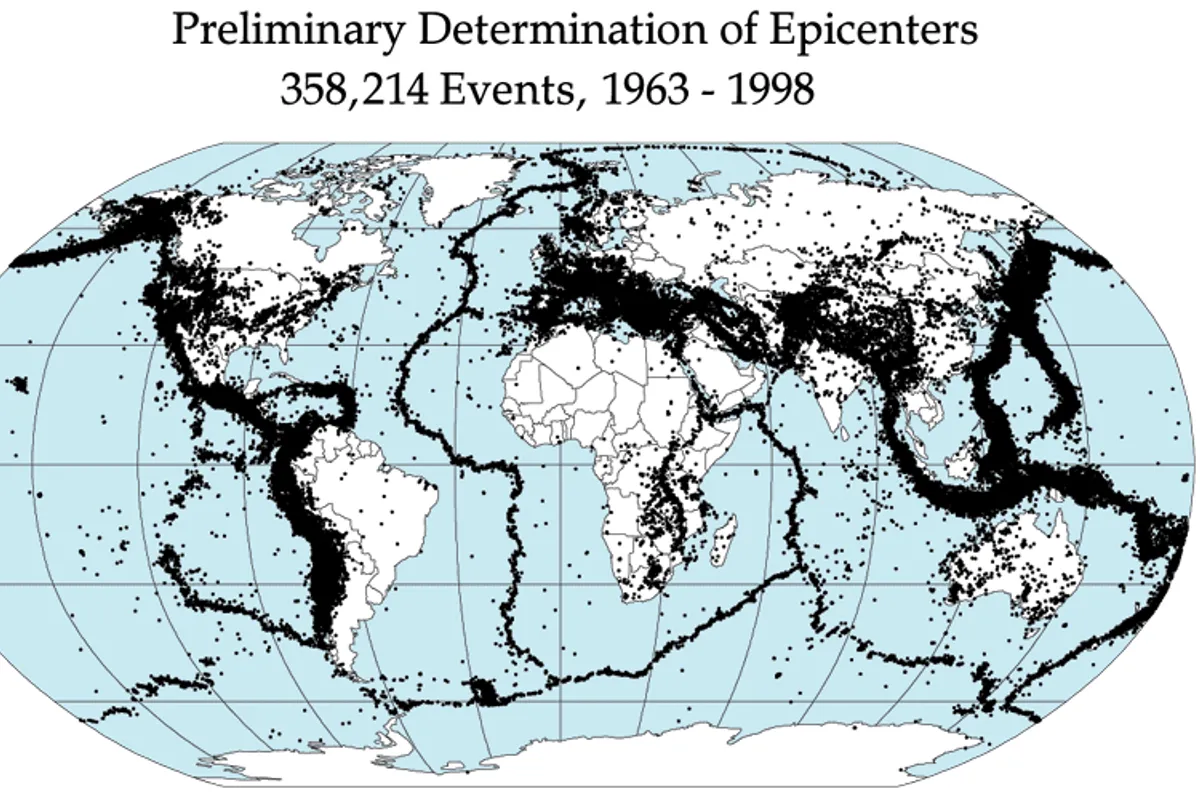
The Kumamoto area was hit by a devastating earthquake in 2016, but the number of casualties varies among sources: NRK reports 278 dead, Dawn reports 275 dead and 2,739 injured, and 24sata reports more than 50 dead and 1,800 injured. Japan, located on the Pacific "Ring of Fire," experiences at least one earthquake every five minutes and is responsible for about 20% of all earthquakes of magnitude 6.0 or higher worldwide, reports Dawn. According to UNESCO, a tsunami, if it hit the coast, could potentially reach a height of 30 to 35 meters, reports Swedish SVT Nyheter, but in this case, that did not happen.
Kyushu Electric Power announced that there have been no reports of irregularities at the Sendai and Genkai nuclear power plants, confirmed Net.hr and Dawn. Japan's Nuclear Regulation Authority also stated that there are no irregularities at nuclear facilities in the region.