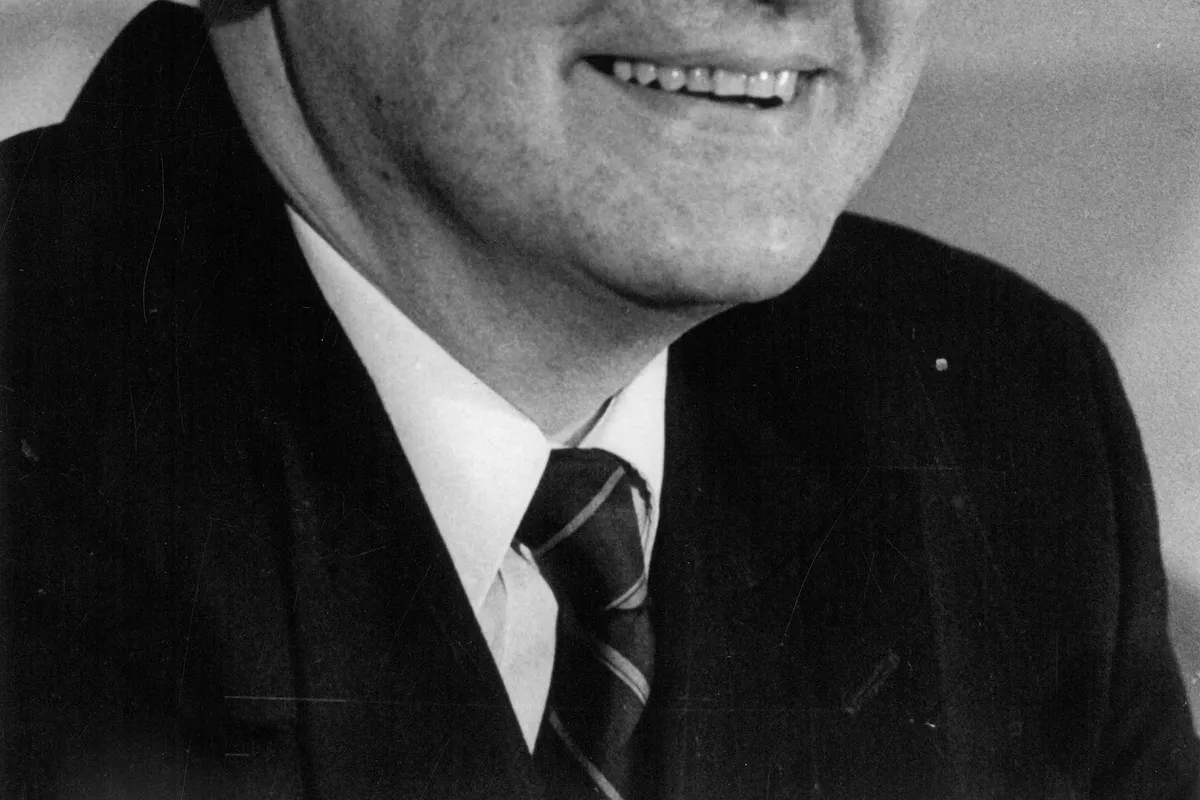
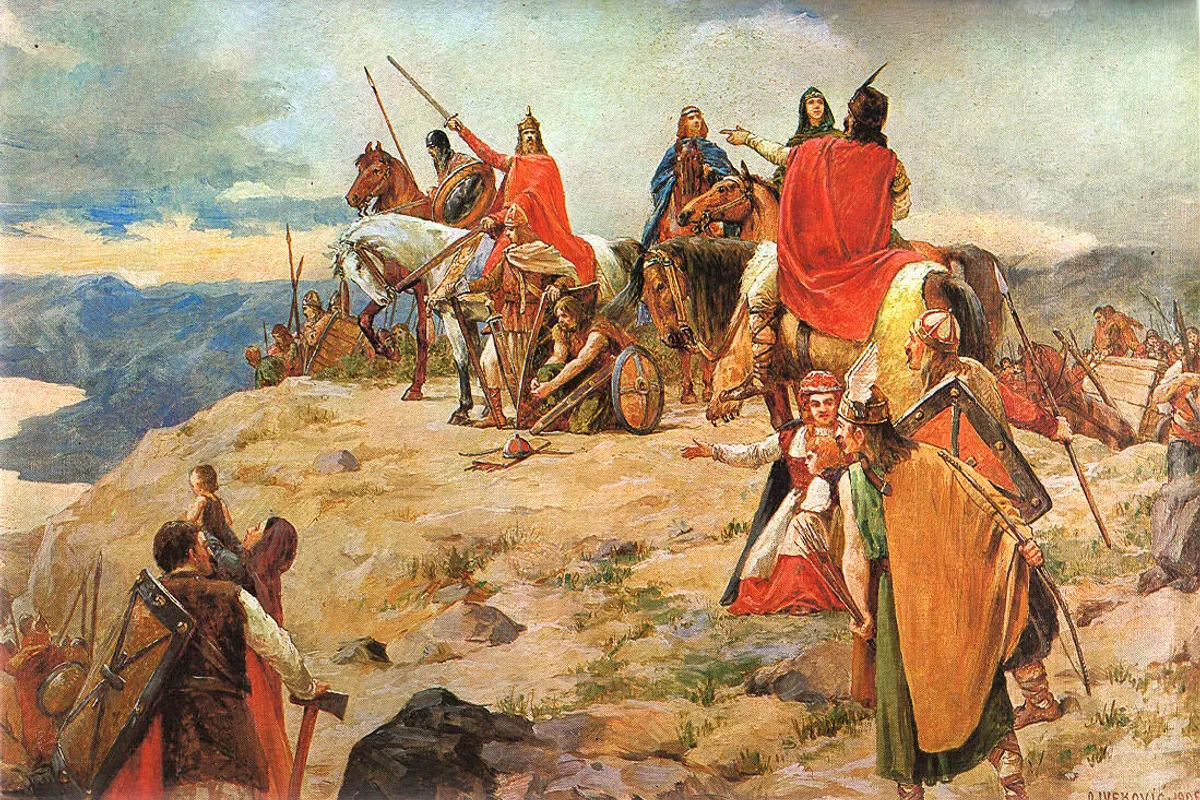
On the first day of the military-police operation Storm, August 4, 1995, the then-leader of rebel Croatian Serbs, Milan Martić, attempted to carry out a terrifying plan. He issued an order to level Zagreb with rockets. However, Slobodan Milošević refused this command, as he had already accepted the collapse of the idea of a Greater Serbia and completely abandoned Martić, providing no military assistance.
Martić: The Army Left Me Sleeping
Martić, who was in Knin that night, did not believe until the last moment that Croatian forces would launch an operation. Although he had heard warnings, the only precautionary measure he took was precisely the order to rocket Zagreb. He was soon awakened by reality. "That first bombing on August 4 caught me sleeping. I ran out half-dressed. Several shells hit the wall right next to me before my eyes," Martić recalled for Dnevno.hr.
He described the chaos in the basement as he tried to organize a defense, unaware that everything was already lost. "I didn't know it was all orchestrated. Knin was under constant bombardment. Not even half a minute could pass without a shell exploding somewhere. I wanted civilians to leave the city," he said. He also claims that he did not issue the order to retreat: "Someone did that behind my back. The army left me sleeping; they didn't even wake me. I was surrounded in Knin without the army, government, or civil defense..."
Milošević's Cold Response: "Kill Yourself"
The dramatic moments in the Knin municipal building were also described by the last mayor of that town, Drago Kovačević. He witnessed the phone call between Martić and Milošević that followed the start of the attack. "In the municipality, I found some Krajina generals and Mile Martić talking to someone on the phone. Slobodan Milošević was on the line," Kovačević recounted for Dnevno.hr.
Martić desperately sought military assistance, but Milošević curtly replied that he could not help. When Martić asked what he should do, the response was resolute and brutal: "Kill yourself."
Chaos in Knin and the Flight of Civilians
Kovačević himself spent the last night before Operation Storm, August 3, 1995, sitting on the doorstep of his house in Knin. The following morning brought complete collapse. "When the first shells started falling, it was around half past four in the morning; I knew what that meant. I woke my family and tried to reach some relatives who lived in the vicinity of Knin," he recalled.
He went to the municipal building without knowing whether the evacuation of citizens would even be organized, which was the responsibility of military authorities. "There was chaos on the streets, and the first rays of sunlight pierced through the thick dust that filled the air everywhere," Kovačević described the beginning of the end of the self-proclaimed para-state.
Why the Yugoslav Army Did Not Intervene
Although Serbia played a key role in creating the rebellion, it was logical to expect it would also try to defend it. According to the war plan Gvozd, drawn up in February 1995, the Yugoslav Army (VJ) was supposed to launch a counteroffensive after halting the Croatian attack. The plan envisioned capturing the Spačva forest area in eastern Croatia, while the Army of Republika Srpska (VRS) would assist the Serbian Army of Krajina (SVK) in reaching the sea on the Šibenik-Biograd line, as reported by Večernji list.
However, that military operation never materialized. Milošević, faced with the rapid fall of Knin and the collapse of the front, abandoned any intervention. For Milan Martić, who was sentenced to 35 years in prison for war crimes and crimes against humanity, the dreams of Serbian Krajina crumbled that morning like a house of cards.