A Historic First: Croatia Imports More Olive Oil Than It Produces
Drought and climate change have cut production by a quarter, while imports have surged to nearly 60,000 hectoliters. The Ministry considers the situation not alarming.
Drought and climate change have cut production by a quarter, while imports have surged to nearly 60,000 hectoliters. The Ministry considers the situation not alarming.
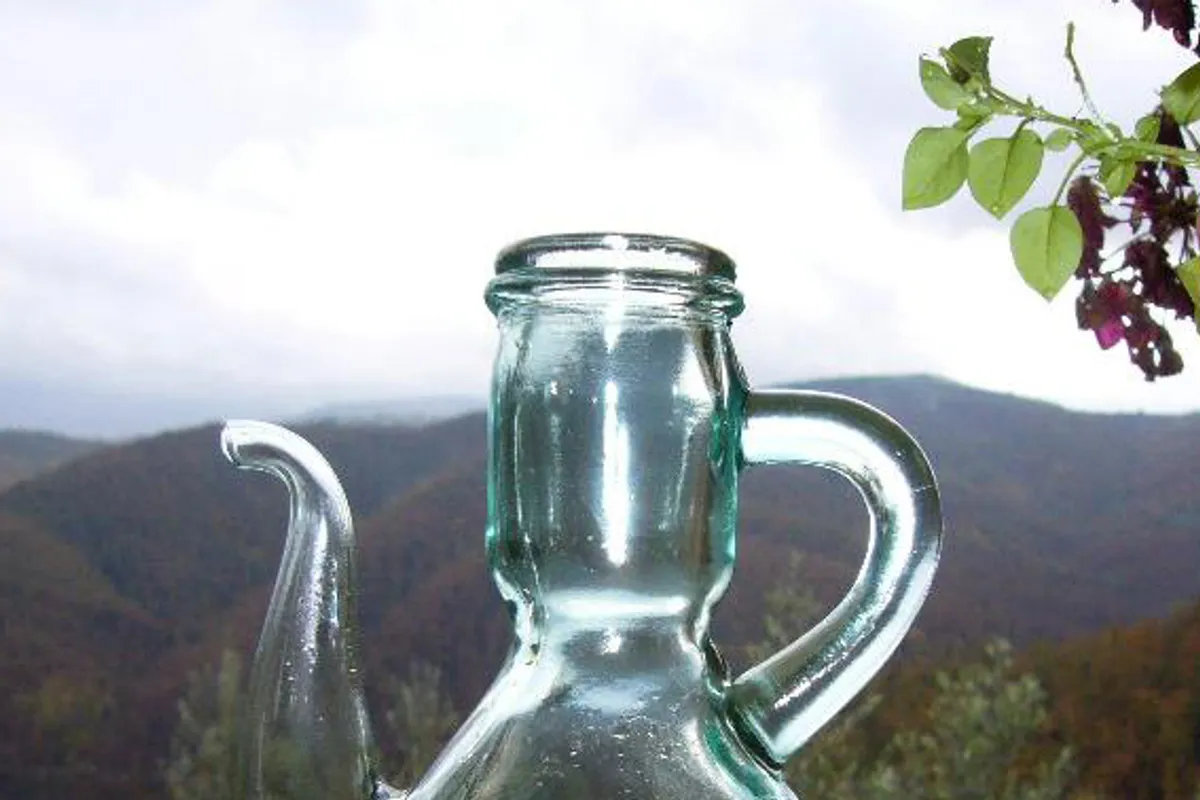
According to the latest data from the Croatian Bureau of Statistics, 2025 will be remembered as a historic turning point for Croatian olive growing, imports of olive oil have, for the first time, surpassed domestic production. Domestic output has fallen by nearly 30 percent compared to the previous year, while imports have risen significantly in the same period.
The statistics are unequivocal: in 2024, Croatian producers turned out 63,000 hectoliters of olive oil, but in 2025, that figure plummeted to just 46,000 hectoliters, a 25 percent decline. At the same time, imports surged from roughly 37,000 hectoliters in 2024 to nearly 60,000 hectoliters in 2025.
Imports have thus exceeded domestic production by a staggering 31 percent for the first time in the history of Croatian olive cultivation.
Olive growers are grappling with numerous challenges, the most pressing being a lack of water. There has been virtually no rain for nearly two months, and temperatures have regularly exceeded 35 degrees Celsius. The consequences are plain to see, less oil and underdeveloped fruit.
Given the hot, dry summer, the harvest will have to start earlier than usual, but no one is willing to speculate on final oil yields before the harvest officially begins.
While olive growers anxiously inspect their groves, the Ministry of Agriculture insists that the situation is not a cause for alarm, but rather a result of climate change and insufficient application of agrotechnical measures.
"Olive oil producers definitely need to join forces to strengthen their market position, to make it easier and cheaper to procure all inputs, and to produce more and better oil collectively through expert advice," said Tugomir Majdak, State Secretary at the Ministry of Agriculture, Forestry and Fisheries, speaking to RTL Danas.
Citizens can also do their part by increasing their consumption of olive oil, which, according to Eurostat data, remains below the European average.