World Faces Biggest Oil Crisis
As tankers flee two key shipping lanes, an explosion at an Iranian aluminum plant adds to regional tensions. Analysts warn of an inevitable impact on energy and food prices in Europe.
As tankers flee two key shipping lanes, an explosion at an Iranian aluminum plant adds to regional tensions. Analysts warn of an inevitable impact on energy and food prices in Europe.
Security for tankers in the Middle East has fallen to its lowest level since the start of the war with Iran, while the simultaneous blockade of two key shipping lanes threatens global oil supplies, according to data released on Tuesday. Over the past weekend, only between eight and 11 ships passed through the Strait of Hormuz, which before the conflict carried a fifth of the world's oil and gas, compared with more than a hundred before the war.
Meanwhile, the Yemeni Houthi group has declared a blockade of Saudi ports on the Red Sea and has attacked several ships linked to Saudi Arabia in recent days. The number of tankers carrying crude oil to Asia through the Red Sea has dropped to about four per day, the lowest since the conflict began. Total traffic through the Red Sea remains at about half its former volume, reports Narodno.hr.
Analysts warn that the market no longer has a safe alternative. Hormuz is almost completely closed, and passage through the Bab el-Mandeb and the Red Sea is becoming increasingly dangerous, simultaneously threatening two key routes for energy exports from the region. Some tankers turn off their tracking systems during transit to avoid detection, which reduces the risk of attack but increases the chance of collisions and complicates maritime traffic control.
Iran has rejected claims by U.S. President Donald Trump that a deal to reopen Hormuz is close. Tehran confirms negotiations with Oman but insists restrictions will remain as long as U.S. strikes continue. Oil prices nevertheless fell after Trump announced a delay in new strikes on Iran. Brent crude dropped to around $84 per barrel, indicating the market's sensitivity to any hints of negotiations, although no official agreement has been reached.
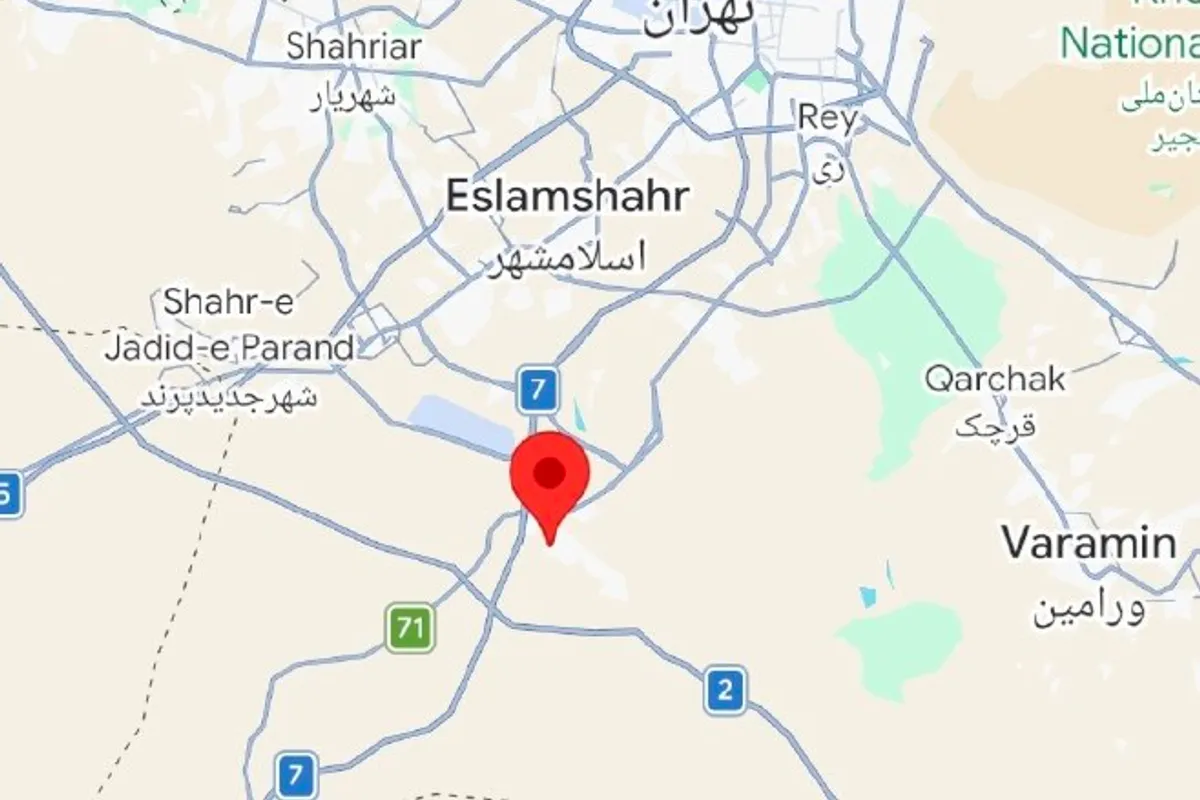
Adding to regional tensions, an explosion and a large fire broke out on Tuesday at an aluminum plant in the Shams Abad industrial zone, south of Tehran, near Imam Khomeini International Airport, reports Abu Ali Express. The cause of the incident is not yet known, and Iranian authorities have not issued an official statement.
Even if Hormuz were reopened immediately, shipping companies estimate it would take three to four months for normal flows to resume. Ships have been repositioned, routes suspended, and cargo insurance has become more expensive. The consequences for Europe, including Croatia, will not be limited to gas pumps. The costs of gas, electricity, manufacturing, and food are rising due to longer transport routes, higher insurance premiums, and energy shortages. The Middle East once again proves that a closed route can quickly become a burden borne by the entire world.