Pork Cheaper Than Grapes, Lamb Drops to 10 Euros
While consumers see falling meat prices in stores, domestic producers warn of losses, massive imports, and the threat of a new EU-Australia trade agreement.
While consumers see falling meat prices in stores, domestic producers warn of losses, massive imports, and the threat of a new EU-Australia trade agreement.
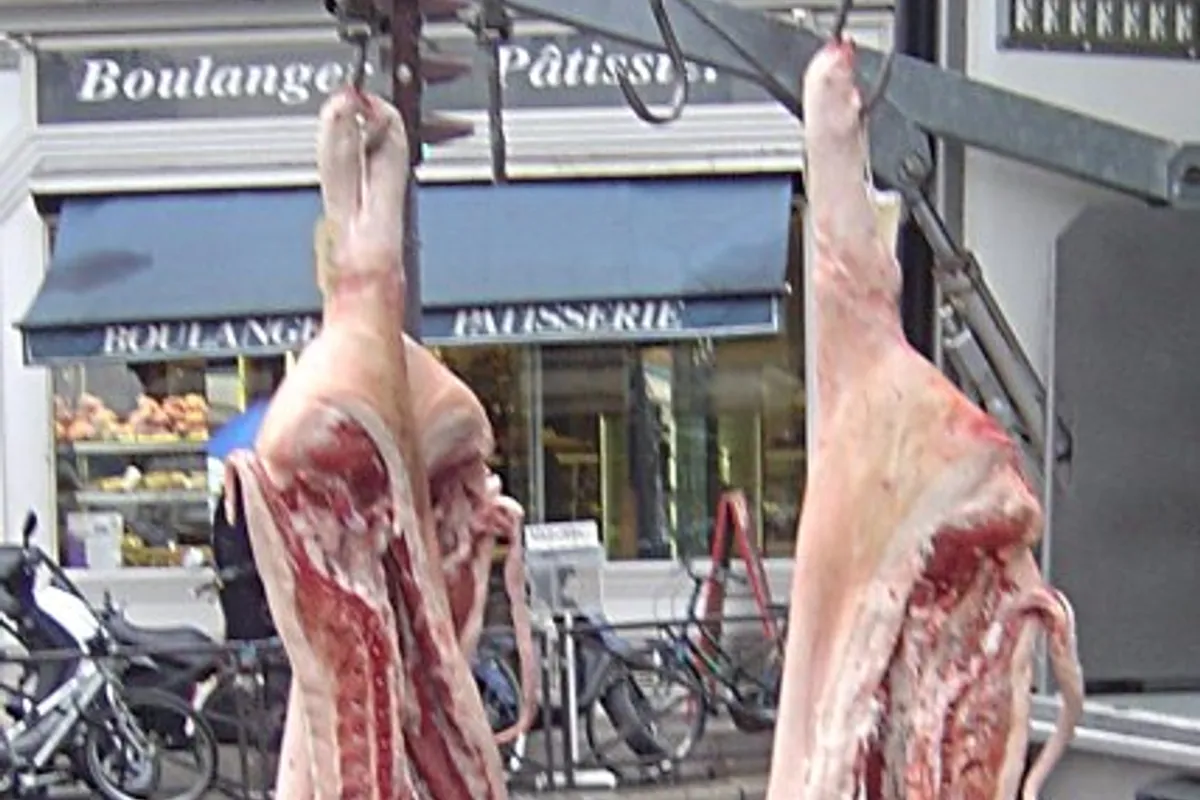
Croatian stores are flooded with cheap meat, with pork prices having fallen so much that some fruits, such as black grapes, are selling for more. At the same time, a kilogram of lamb in retail chains has dropped to 10.89 euros, nearly half the price of a few months ago. However, behind these prices lies a severe crisis in domestic livestock production, squeezed by imports, geopolitical turmoil, and new trade agreements.
For weeks, domestic retail chains have been competing to lower pork prices. A kilogram of pork shoulder in one chain sells for 2.29 euros, while another offers pork loin for 2.35 euros and neck for 3.05 euros. For comparison, black grapes cost 2.79 euros per kilogram. Pig farmer Mirko Kolić told Riječki Novi list that retailers are exploiting the situation with surpluses and African swine fever to the detriment of producers.
"Retailers are pressuring slaughterhouses, and they pressure us, so we've been well in the red for a year and a half. On the exchange, a pork carcass is 1.40 euros, which translates to 1.12 per kilo of live weight, but for us in the third zone, it's 0.92 euros," Kolić explained. Due to losses of around 50 euros per fattened pig, he has already cut production by a third. "Better to close the facility and let it gather cobwebs while waiting for a favorable moment than to continue like this," he added.
Branko Bobetić, director of Croatiastočari, explains that the price drop is a result of global trends. Europe is a major exporter of pork, primarily to China, but Beijing has increased imports from Brazil due to the tariff war over cars. This has led to a 15-20 percent surplus of pork on the European market and a drop in purchase prices. Large producers like Spain have had to lower prices due to accumulated surpluses.
"In Europe, the highest purchase price for pork carcasses was in 2023, close to 2.90 to 3 euros, and after that it fell. Now it's 1.56, and here it's 1.40 euros, and that purchase price in June was 11 percent lower compared to the European one," Bobetić told Riječki Novi list, calling the situation a "catastrophe" and urging state institutions to react immediately.
Data from Croatiastočari shows a worrying trend. Imports of all types of meat in 2025 compared to 2012 have increased by as much as 237 percent, while compared to 2021, they are up by 18 percent. Exports have also risen by 18 percent, but in incomparably smaller quantities. Last year alone, the value of agri-food imports reached 7 billion euros, of which nearly 2 billion went to live animals and animal products. Live animal imports are three times higher than in the first year of EU membership. The negative trade balance in 2025 was around 3 billion euros, and from 2014 to 2025, it accumulated to over 16 billion euros, with more than 40 percent attributed to the livestock sector.
Croatia's self-sufficiency in meat production has fallen by 25 percent since joining the European Union, and in pork production, it stands at only about 50 percent. Consumption of domestically produced pork has dropped by 5 percent, while total meat consumption has risen by more than 10 percent, at the expense of imports.
In response to the crisis, the government has announced 7 million euros in support for the pig farming sector, which amounts to about 20 euros in subsidies per fattened pig, but it is still awaiting the green light from Brussels. At the same time, the Ministry of Agriculture has accepted the request of the Croatian Agricultural Chamber (HPK) to amend the conditions of intervention 73.11. Under the new rules, processors that use at least 50 percent domestic meat, milk, grains, and other raw materials will have priority in receiving subsidies. HPK does not dispute the right to import raw materials but emphasizes that it is unacceptable to grant non-repayable funds to those who completely ignore domestic producers.
"This ends the previous absurd practice where subsidies financed entities that import all their raw materials without purchasing a single kilogram of domestic wheat or meat from Croatian farmers," HPK stated. HPK president Željko Mihelić welcomed the decision, noting that "Agriculture Minister David Vlajčić has sided with Croatian farmers."
Additional concern among producers has been raised by the comprehensive trade agreement between the European Union and Australia, signed on March 24. The agreement opens two tariff quotas for the import of 30,600 tons of Australian beef, with 55 percent entering duty-free. Dino Gelemanović, president of the Baby Beef Cattle Fattening and Breeding Association, warns that this will further threaten domestic producers.
"Any such agreement that allows meat to enter the European market duty-free will certainly threaten producers across the European Union, and consequently here as well. Cheaper, lower-quality meat will automatically come to our market," Gelemanović told Dnevno.hr. He also points to different production conditions: "In the EU, we have the most controlled production, with checks on pesticides, heavy metals, and all other parameters. The rest of the world doesn't have such rigorous conditions, and we are automatically at a disadvantage when such meat arrives on our market."
Additional pressure on the sector comes from African swine fever. Deputy Prime Minister and Minister of Agriculture David Vlajčić stated in Osijek that over the past weekend, the disease spread only within existing outbreak zones, with about six hundred pigs reported on the remaining farms. Interventions are underway, as he said, to prevent the opening of new hotspots and further spread of the disease.