US President Donald Trump on Tuesday, August 4, 2026, halted at the last moment a major air strike on Iran that was set to be one of the most powerful US military operations since World War II. The decision came after warnings from senior military commanders about critically depleted stocks of key interceptor weapons and pressure from regional allies.
Critically Low Interceptor Stockpiles
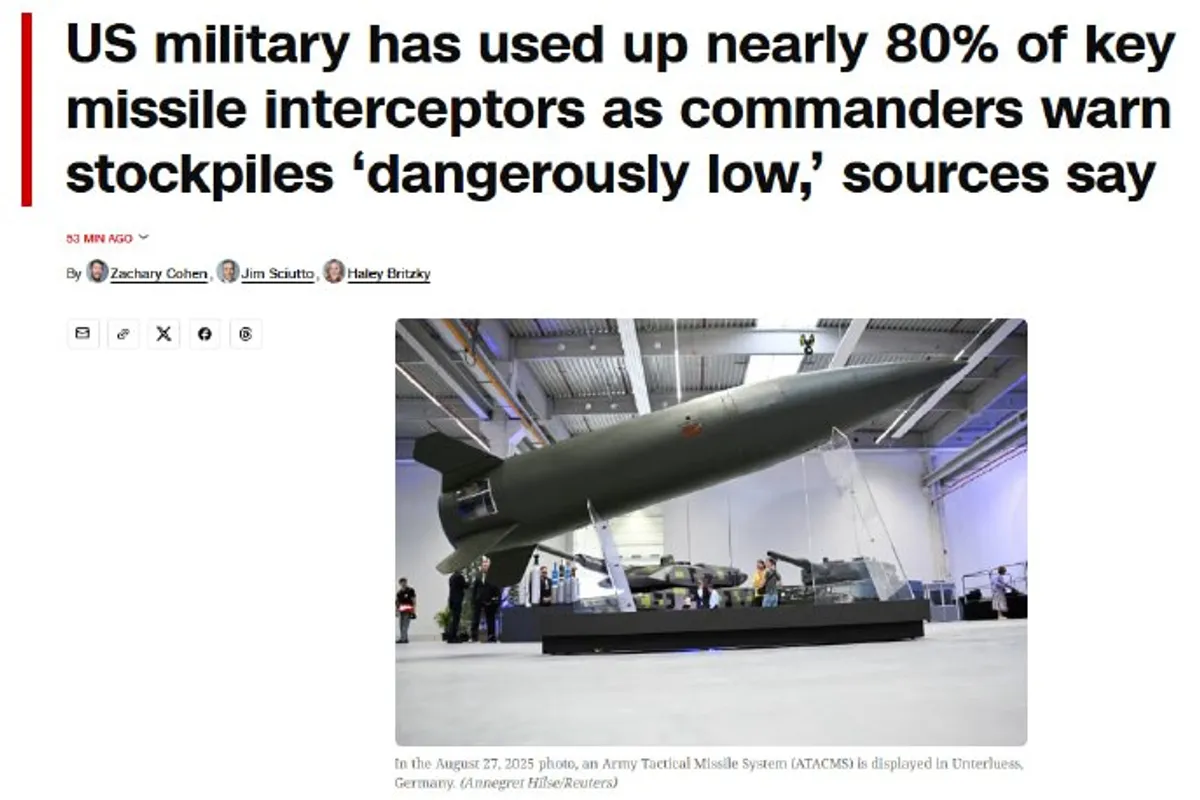
According to information released by CNN, during the conflict with Iran, the United States expended nearly 80% of its THAAD interceptors and roughly half of its Patriot missile stockpiles. Significant quantities of other precision munitions have also been exhausted. Senior military commanders warned that key stockpiles were at dangerously low levels, which, along with concerns about Iranian retaliation and civilian casualties, helped persuade President Trump to cancel the planned strikes.
Diplomatic Maneuvering Around the Strait of Hormuz
Trump explained that the attack was being postponed because Iran and leaders of several countries in the region had asked him to give diplomacy another chance. According to his account, the groundwork has been laid for a deal that would include reopening the Strait of Hormuz, halting Iranian attacks on US interests and allies, and resuming talks on Iran's nuclear program. Tehran, however, denies that any agreement has been reached with Washington.
Attacks on Vessels in the Strait
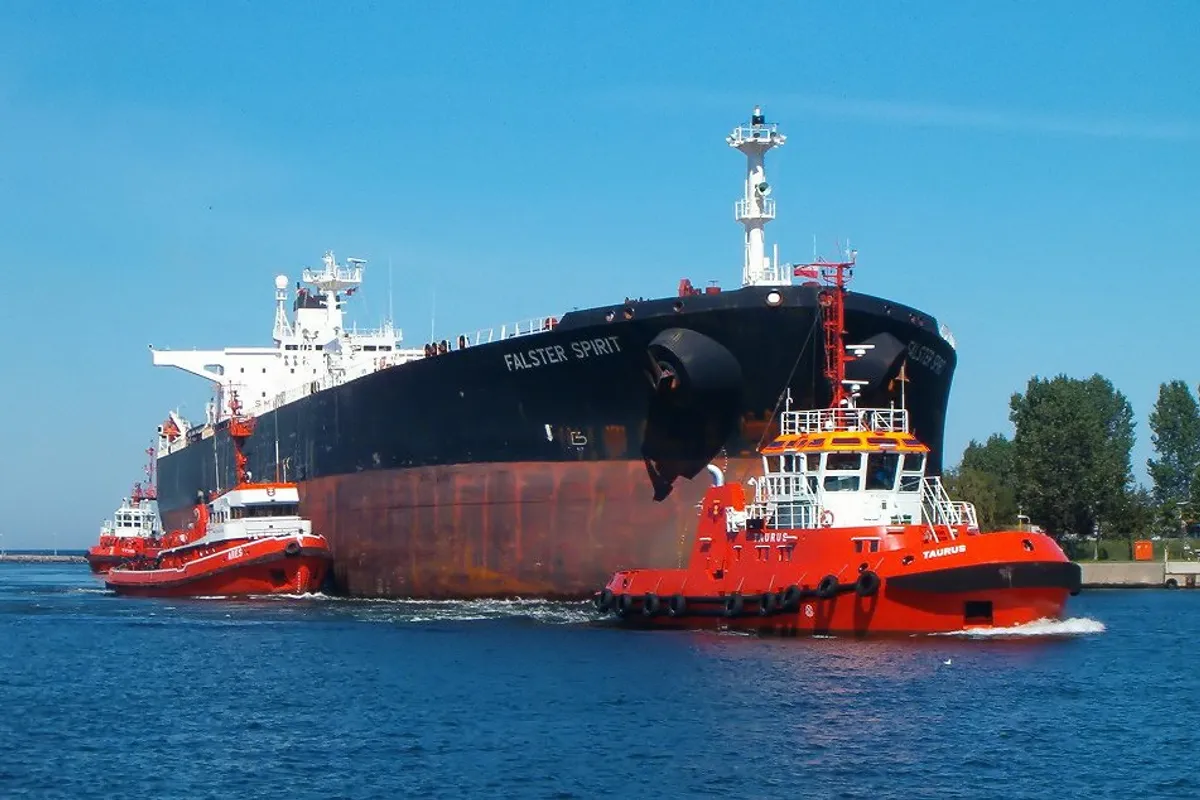
Shortly before Trump's decision, Iran struck at least four vessels in the Strait of Hormuz, the Middle East Spectator reported. These attacks came after the US president threatened that for every ship hit, the US would destroy "a bridge or a power plant" in Iran. Trump had earlier announced that Iran would be hit "very hard," while US and Israeli military planners prepared an operation aimed primarily at Iran's energy, military, and nuclear infrastructure.
Uncertainty in the Middle East
The sudden reversal has opened a new chapter of uncertainty in the Middle East. The question remains whether this is a tactical diplomatic gambit to unblock the Strait of Hormuz, a vital artery for global oil transport, or merely a temporary pause before further escalation. Gulf states, acutely aware that a broader conflict with Iran could have catastrophic consequences for regional stability and global energy flows, strongly lobbied against the US attack.