Trump Warns Iran, Qatar Confirms Negotiations
Indirect talks mediated by Qatar and Oman aim to reopen the strategic waterway and avoid further escalation, as Washington intensifies pressure.
Indirect talks mediated by Qatar and Oman aim to reopen the strategic waterway and avoid further escalation, as Washington intensifies pressure.
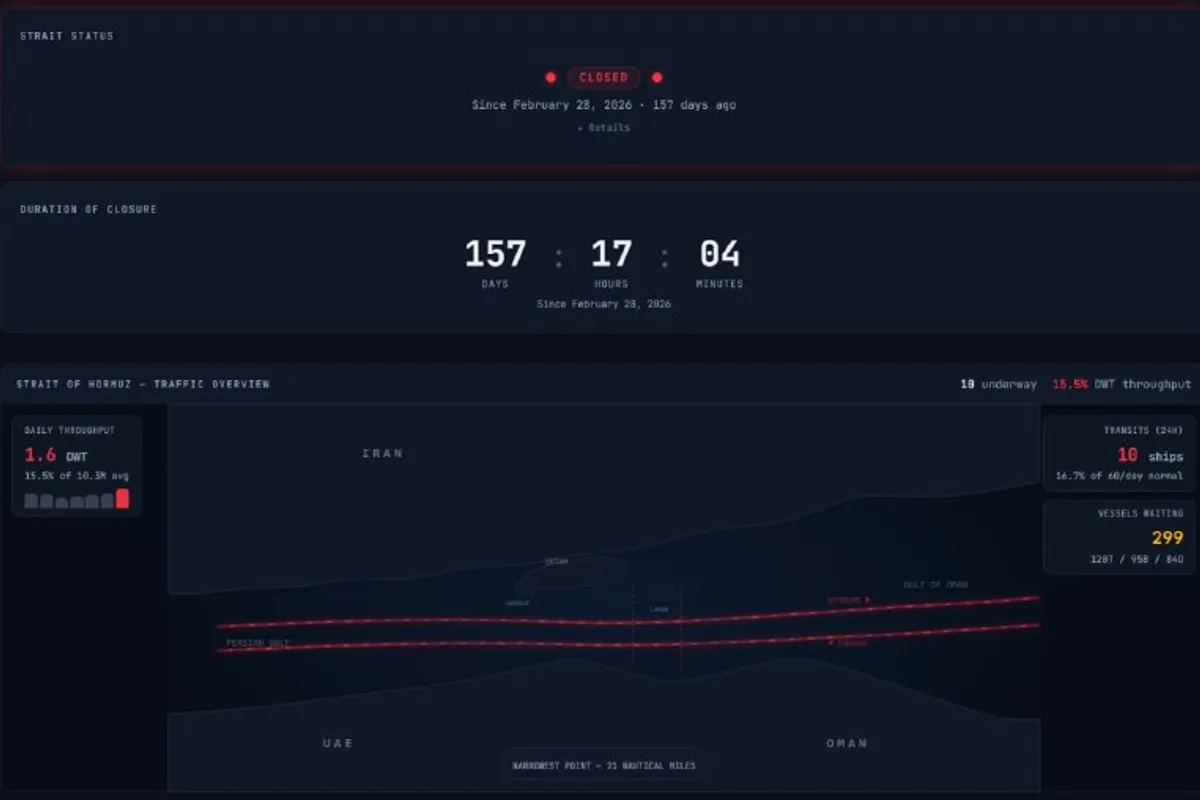
US President Donald Trump warned on Monday, August 4, 2026, that Iran has a "last chance" to reach a deal, as indirect negotiations on reopening the Strait of Hormuz continued. Meanwhile, Qatari Foreign Ministry spokesperson Majed al-Ansari confirmed that talks are ongoing with the goal of avoiding regional escalation and reviving diplomacy between the US and Iran.
US Secretary of State Marco Rubio said progress is being made in indirect talks with Iran on restoring navigation through the strait, but stressed that a final agreement is not yet within reach. The Trump administration is simultaneously ramping up its rhetoric, with the president stating that "time is running out in Tehran" and threatening "devastating consequences" if a deal is not reached soon.
According to diplomatic sources cited by Bloomberg, Iran is privately considering allowing European navies to clear naval mines from the Strait of Hormuz. This would mark a significant shift from its public opposition to a foreign military presence in the area. French President Emmanuel Macron proposed European assistance with mine clearance back in June 2026, to which Iran's Deputy Foreign Minister Kazem Gharibabadi responded on X that "mine clearance is carried out exclusively by Iran and no other country."
The potential turnaround comes as Qatar and US Treasury Secretary Scott Bessent signal the possibility of a near-term deal. A draft proposal for resuming diplomatic talks is circulating between Washington and Tehran, but the mine clearance operation depends on formal security guarantees from Iran for foreign vessels and the maintenance of a lasting ceasefire.
Significant differences exist within Iran's leadership. Factions of the Islamic Revolutionary Guard Corps (IRGC), whose forces previously carried out attacks on regional shipping, insist that domestic forces must oversee all clearance operations. The long-term management of the corridor remains a key point of contention, with Tehran demanding operational control and the right to collect transit fees, which Washington firmly opposes.
Negotiations between Iran and Oman are focused on establishing a new primary shipping channel, although the proposed route is believed to contain naval mines. According to data, only ten vessels passed through the strait in a single day, highlighting the severity of the disruption to maritime traffic after more than five months of armed conflict.
US Secretary of Defense Pete Hegseth has pressured the UK and France to host a maritime security conference, but European officials have postponed the initiative until a lasting ceasefire is established. Washington's willingness to support European mine clearance represents a tactical adjustment by the administration, which previously downplayed the significance of European military capabilities in the region.
Al Jazeera correspondent Marah Rayan reports that Tehran is in no hurry to accept Trump's ultimatum and is instead focused on negotiations with Oman over the division of shipping routes in the strategic strait, which is crucial for global oil trade and energy security.