155,000 Foreign Workers Employed in Croatia
The number of issued work permits fell 7.5 percent compared to last year, but labor needs remain high in nearly all sectors.
The number of issued work permits fell 7.5 percent compared to last year, but labor needs remain high in nearly all sectors.
Around 155,000 foreign workers are currently employed in Croatia, with the largest numbers coming from Bosnia and Herzegovina, Serbia, and the Philippines. These figures were presented on Tuesday, August 18, 2026, by Ante Lončar, director of the Croatian Employment Service, who also noted a 7.5 percent drop in new work permits compared to the same period last year.
During the first seven months of this year, approximately 106,000 residence and work permits were issued to foreign nationals. The number of permits for new employment nearly halved to 41,716, while renewals of existing permits and seasonal permits increased.
Lončar explained to HRT that the decrease in issued permits is linked to the option of renewing existing work permits and the seasonal nature of Croatia's economy.
"Given that Croatia is exposed to tourism and seasonality, and that we have enabled more flexible employment for seasonal workers, we now have 155,000 employed. I must say we reduced the number of issued work permits because we enabled the use of the work permit renewal mechanism," said Lončar.
Most foreign workers come from Bosnia and Herzegovina, around 19,500. Next is Serbia with over 17,800 workers, followed by the Philippines with approximately 15,700. A significant number of workers also come from Nepal, North Macedonia, and India.
In terms of sectors, the most permits were issued for tourism and hospitality, over 43,500. In the construction sector, around 27,000 permits were issued, in industry about 12,000, in transport and communications over 6,500, and in trade just over 6,300.
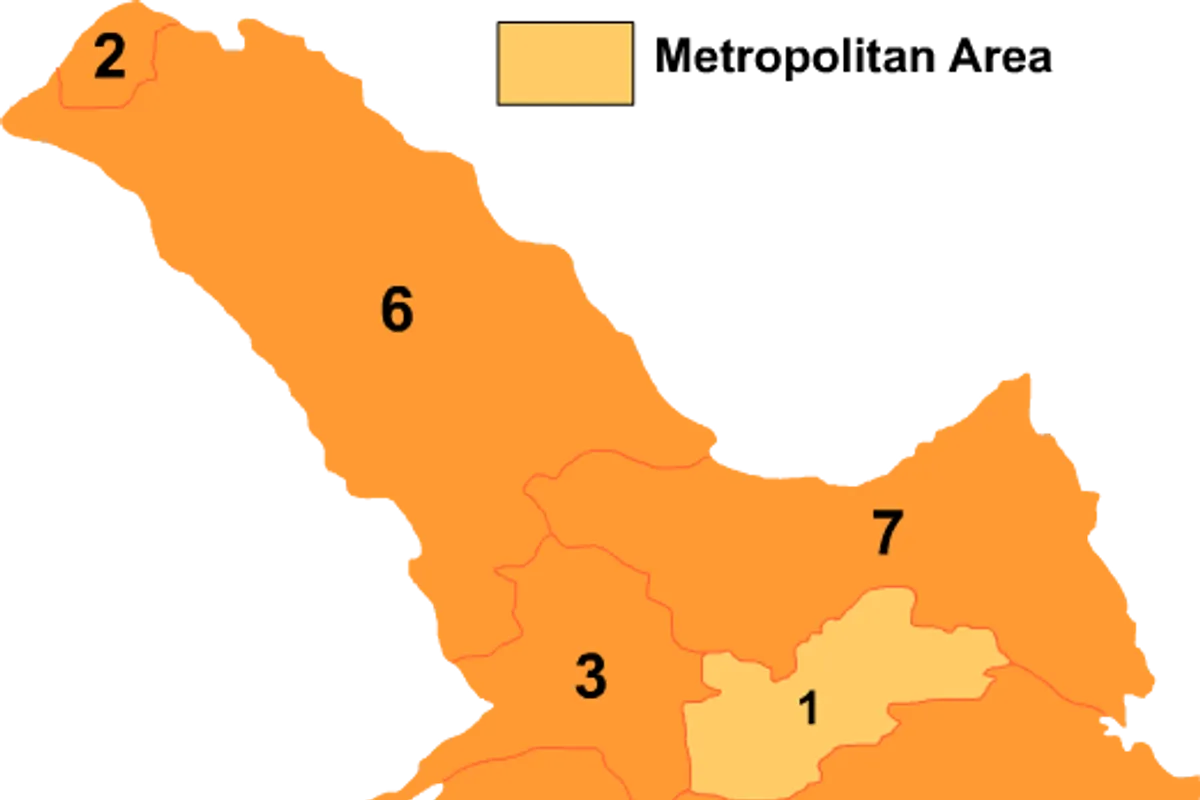
Zagreb County ranks first in the number of employed foreign workers. It is followed by Istria, Split-Dalmatia, Dubrovnik-Neretva, and Zadar counties, confirming a strong link to tourism and coastal areas.
Antun Trojnar, vice president of the Croatian Chamber of Trades and Crafts, told HTV that the labor shortage remains one of the biggest problems for the Croatian economy.
"Needs are high, and they have increased in almost all sectors," said Trojnar.
The greatest need for workers is in construction, industry, manufacturing, and transport, with a growing shortage in service activities as well. Trojnar notes that foreign and seasonal workers mainly serve as a supplement to the existing workforce, and employers particularly value those with prior experience.
"Workers from the Philippines have proven to be very good, which is why we see such a large number coming from there, as well as from other countries," added Trojnar.
Small tradespeople often invest time and money in training workers, only to lose them to larger companies. This is why the Croatian Chamber of Trades and Crafts welcomed legislative changes that extend work permits from one to two years.
"That is exactly why we welcomed this law, to extend work permits from one year to two years," said Trojnar.
He also pointed out that wage differences between Croatia and parts of Western Europe have narrowed, and that the departure of domestic workers to Germany, Austria, and Italy is now less pronounced than before. As he said, the cost of labor in Croatia in some sectors is already nearly equal to those countries when comparing the same number of working hours.
Despite the heavy reliance on imported labor, around 62,000 unemployed people are registered with the Croatian Employment Service. The CES states that the goal is to integrate as many of them as possible into the labor market. Over the past ten years, about 1.5 billion euros have been allocated for active employment policy measures, with self-employment support being among the most sought-after measures.