Senior Research Fellow at the Finnish Institute of International Affairs, Jussi Lassila, assessed on Tuesday in the A-studio program of the Finnish public broadcaster YLE that a new mobilization in Russia is now more likely than it was last year. According to him, the prevailing opinion in expert circles is that new recruitment could begin soon, and there are also concrete administrative signals pointing to preparations.
"A significant number of job vacancies have suddenly appeared in employment offices," Lassila said on the program, adding that not all administrative actions should necessarily be interpreted as a direct sign of mobilization, but preparatory activities certainly exist.
Rumors of Mobilization After Duma Elections
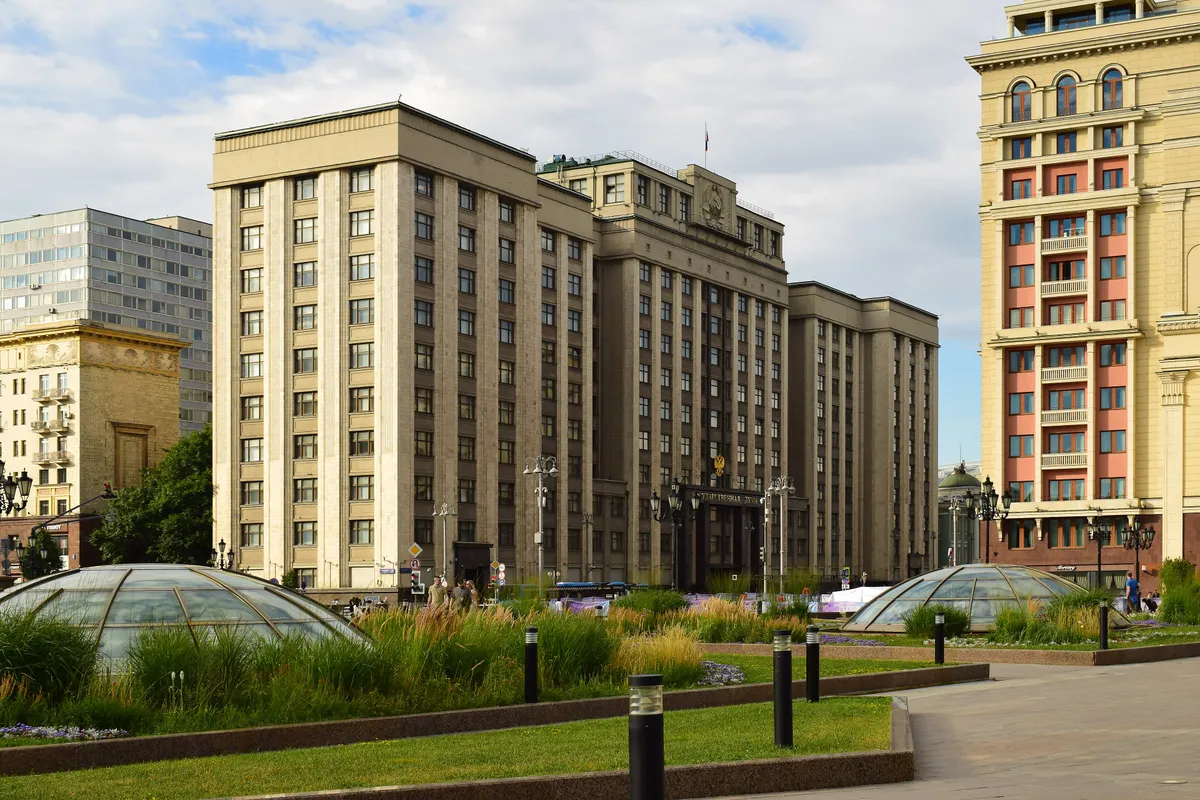
According to unofficial information, a new mobilization could follow the Duma elections, Russia's parliament, which are scheduled for the end of September 2026. Lassila, however, doubts the actual combat value of additional soldiers who would be sent to the front, especially if they are people in poor health and with low motivation. He also predicts that mobilization in Russia will face resistance from the population.
Ukrainian President Volodymyr Zelensky has estimated that Russian forces lose 30,000 soldiers per month on the front, either killed or wounded. Despite this figure and the unpopularity of mobilization, Lassila believes it will not significantly affect Russian President Vladimir Putin's assessment of its expediency.
"The politics of fear plays a very key role here. He [Putin] is fed very false information, and this is visible throughout the Russian vertical, where embellished information is always passed up to superiors. In this sense, the picture of the war in the Kremlin is very distorted," Lassila told YLE.
Distorted Picture in the Kremlin
Lassila emphasized that the Russian president does not have a realistic picture of the situation in the war of aggression, precisely because of a system in which only embellished information is presented to the top of the government. This statement comes at a time of heightened speculation about Moscow's next moves, and a potential new mobilization could further affect the security situation in Europe.