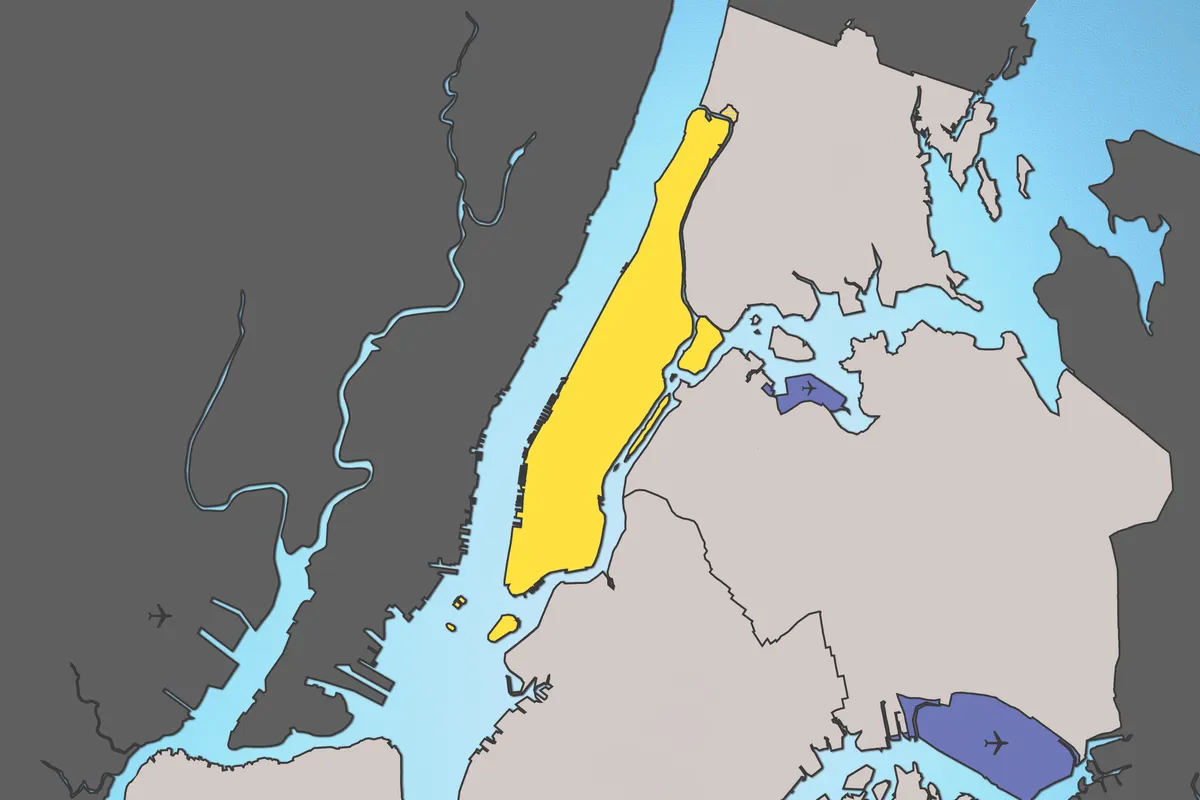
On this date, August 7, 1995, on the Petrovačka road connecting Bosanski Petrovac and Ključ, ten civilians lost their lives in a rocket attack on a refugee column. Among the victims were two young children from Donji Lapac: Nevenka, aged eleven, and Žarko Rajić, aged nine. The Arterarij organization chose this very date, 31 years later, to announce a new play created in their memory.
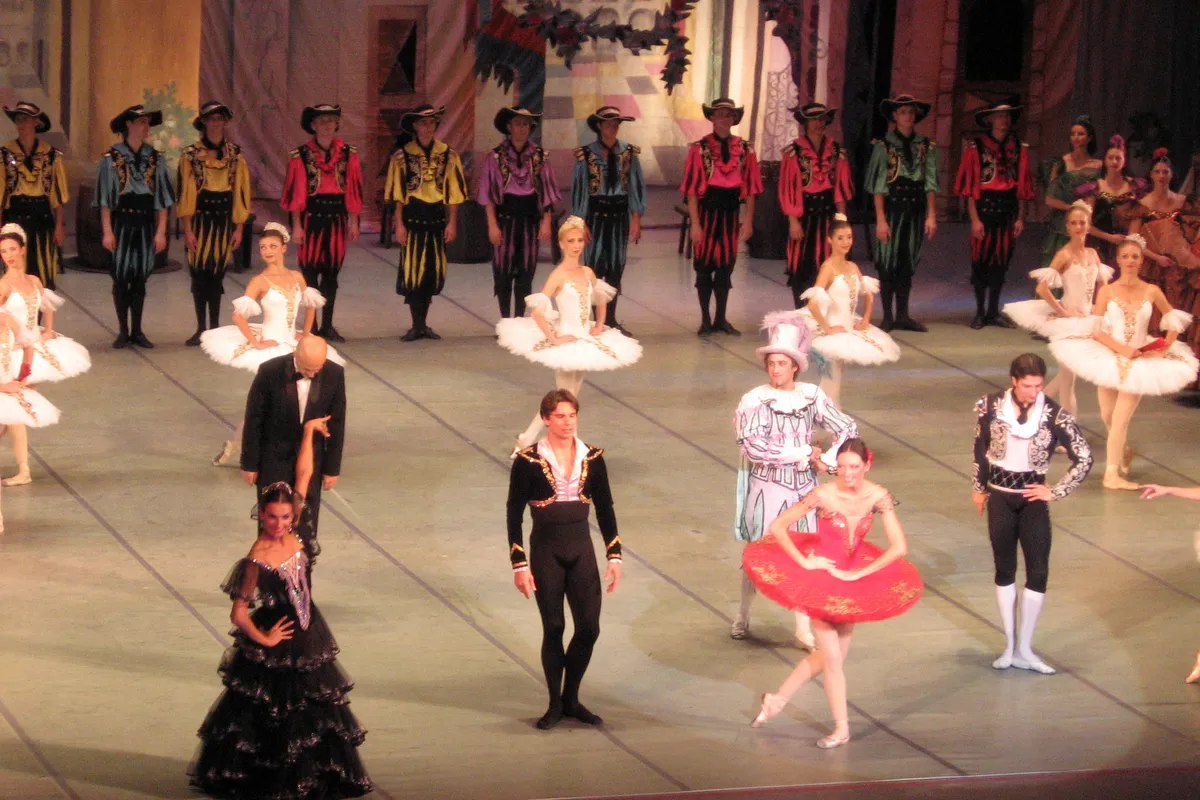
The play "In Our Garden, Only the Grass Remains Uncut" will premiere on September 18, 2026, in Zagreb. Directed by Roman Nikolić, with dramaturgy by Dorotea Šušak. The choice of announcement date is not coincidental, Arterarij states, but is conceived as an act of remembrance for victims whose fate often remains in the shadow of commemorations of the military-police operation "Storm."
"A Victim Remains a Victim Regardless of Side"
The play's creators emphasize that it does not question the legitimacy of Operation Storm nor diminish the contribution and sacrifice of Croatian defenders. The starting point is quite the opposite: out of gratitude towards them and the belief that it is possible to be proud of the liberation while remaining honest about what happened outside the justifiable goal of the war.
"A society is free only when it can afford to remember the whole truth and take responsibility for it," reads the play's announcement. Through theatrical expression, a testimony is created about two children for whom a journey they did not choose became their last. The play is based on the conviction that a victim remains a victim regardless of their origin, and that paying tribute to innocent children who died is a gesture of humanity, not politics.
A Garden That Holds Unhealed Places
The title "In Our Garden, Only the Grass Remains Uncut" carries a powerful metaphor. A garden that, although it appears tidy, retains spaces that remain untouched, unhealed, and covered with a memory that cannot be organized. The play is conceived as an expression of compassion for all fathers and mothers who lost children during the war, but also as an encouragement for collective memory that values humanity above differences.
As Arterarij points out, such memory does not diminish the celebration of freedom but, on the contrary, gives it greater and more lasting value. The premiere on September 18 in Zagreb will be an opportunity to offer the audience precisely that: a space for memory that does not shy away from the whole truth.