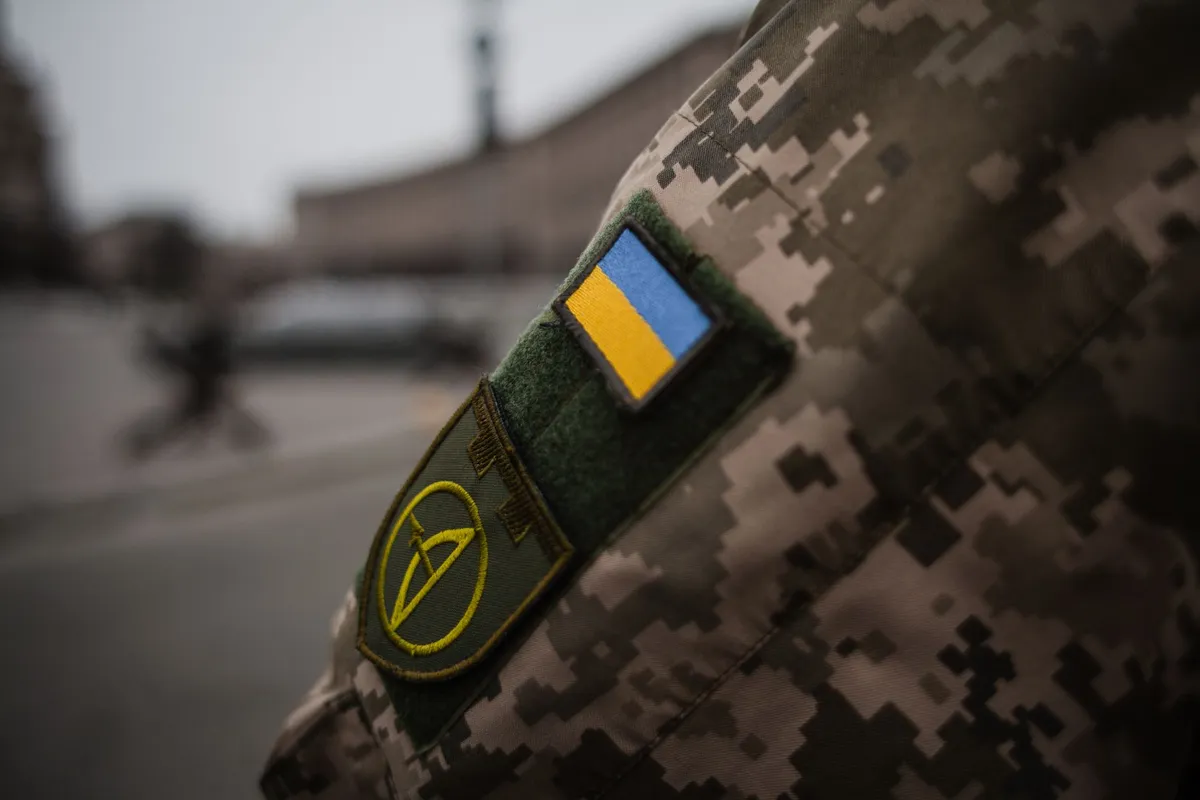
Ukraine's ambassador to the United Kingdom and former commander-in-chief of the Ukrainian armed forces, Valeriy Zaluzhny, stated on Monday in Kyiv that Ukraine will never become a NATO member. This unusually sharp criticism was delivered at a private meeting with Ukrainian ambassadors and was reported by Ukrainian media and Politico.
"For a full 12 years, it seems to me, I personally worked to master NATO standards, and every year I heard stories about how we would soon join NATO. Unfortunately, we will never become its member," Zaluzhny said, alluding to the long-standing promises that, in his view, have no real basis.
Outdated Doctrines and the Russian Threat
Zaluzhny emphasized that the Alliance's key problem is its reliance on military doctrines from World War II. "It is impossible to join an organization that relies on doctrines from World War II, given the level of development that exists in the armed forces of Ukraine," he said. He added that Russia, under the pressure of war, has carried out deep reforms in its military and that "NATO will most likely remain in its current form and will spend 12 years, like Ukraine, transitioning to the standards it needs to reach to be at least at half the level of the Russian Federation."
Despite the criticism, Zaluzhny stressed that "Ukraine needs technologies that are still available today in NATO countries," such as ballistic missile defense systems, indicating Kyiv's complex relationship with the Western military alliance.
Turning to New Alliances
Due to the opposition of the United States and other allies to Ukraine's membership, Zaluzhny announced that the country will "tie itself to blocs and alliances that are likely to be formed." As an example, he cited the Joint Expeditionary Force, a group of 10 nations led by the United Kingdom, established in 2014 as a complement to NATO. "Most likely, we will be talking about a European military security bloc," he concluded.
Zaluzhny's statements come at a time of increasing speculation about his political ambitions. President Volodymyr Zelensky dismissed him from the post of commander-in-chief in 2024. NATO has declined to comment on these claims but pointed to an earlier statement by Secretary-General Mark Rutte from June, who reiterated that "Ukraine's path to NATO is irreversible."
NATO Activities and Command Changes
Amid the diplomatic turmoil, NATO continued military activities on August 4, 2026. Alliance forces conducted a live-fire exercise in Romania, in the Black Sea region, where they practiced planning, coordination, and amphibious operations. Additionally, on the same day, a change at the head of NATO's Security Assistance and Training Mission for Ukraine (NSATU) was announced. Lieutenant General Guillaume N. Beaurpere took command from Lieutenant General Curtis A. Buzzard, continuing the coordination of military equipment deliveries and training for Ukrainian forces.
Nigeria Raises Military Pay
In other world news, Nigerian President Bola Tinubu approved a significant pay increase for armed forces personnel on August 4, 2026. According to a statement from presidential adviser Bayo Onanuga, soldiers from ranks up to sergeant will receive an 80% raise, personnel from colonel to warrant officer 50%, and officers above the rank of colonel, including generals, 30%. The new salaries, effective September 1, will increase the annual wage bill from 660 billion naira to 924 billion naira (about $678.68 million). The measure comes amid the fight against Islamist insurgents, including Boko Haram and the Islamic State in West Africa (ISWAP), as well as widespread kidnappings and banditry.