Oil Holds the Key to September's Rate Decision, Žigman Says
The HNB governor warns that renewed US-Iran conflict could bring back inflationary pressures to the eurozone and Croatia. The ECB left rates unchanged on Wednesday.
The HNB governor warns that renewed US-Iran conflict could bring back inflationary pressures to the eurozone and Croatia. The ECB left rates unchanged on Wednesday.

Ante Žigman, governor of the Croatian National Bank (HNB) and a member of the European Central Bank's (ECB) Governing Council, said on Friday that the September decision on benchmark interest rates will largely depend on how oil prices move. He shared his assessment on LinkedIn, a day after the ECB confirmed that key interest rates remain at current levels.
On Thursday, the ECB decided to keep interest rates unchanged, with Žigman describing the situation as "still extremely pronounced uncertainty." The rate for bank refinancing remains at 2.40%, overnight bank deposits yield 2.25%, and overnight loans to commercial banks stand at 2.65%. The reasons for caution, as the ECB notes, are uncertainty in inflation estimates due to the Middle East war and risks to eurozone economic growth.
Žigman reminded that inflation in the euro area fell to 2.8% in June 2026, down from 3.2% in May of the same year, partly attributed to the agreed ceasefire in the Middle East and lower oil prices. However, the situation has since become more complicated.
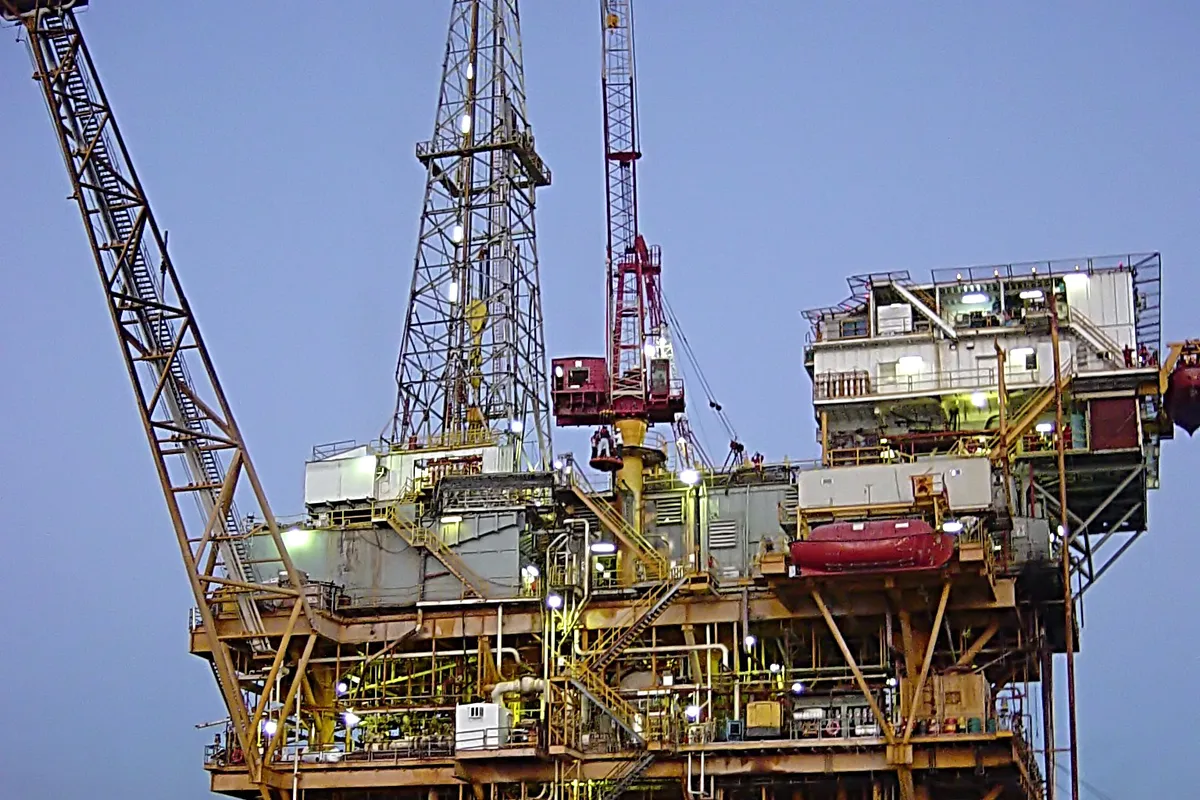
"The recent renewal of hostilities between the US and Iran has pushed oil prices back up, which will strengthen inflationary pressures and negatively impact economic activity,"the governor wrote. The ECB's target is inflation of 2% in the medium term, and the current 2.8% is still above that goal.
Žigman announced that the ECB will review new macroeconomic projections in September 2026 and assess the risks to their achievement. Particular attention will be paid to potential indirect and secondary effects of oil price increases on inflation, which typically appear with a time lag, such as rising transport and food costs. These new data will be crucial for the decision on the direction of interest rates.
Croatia has been part of the eurozone since January 1, 2023, so the ECB's monetary policy directly applies here, and the HNB no longer has an independent say on rates. Nevertheless, Žigman offered a Croatia-specific comment:
"The good news is that inflation in Croatia has been declining in recent months and approaching the eurozone average, and we expect this trend to continue in July. The rise in oil prices could, admittedly, revive inflationary pressures here as well, but the decisions we will make at upcoming meetings should ensure that inflation in Croatia returns to levels close to the long-term average."
The situation in the Middle East is thus becoming a key factor in European monetary policy. The June ceasefire that helped reduce inflation has been replaced by renewed hostilities between the US and Iran, which has again pushed oil prices up on global markets. Higher oil prices mean more expensive fuel, transport, and heating, which ultimately affects almost all consumer prices. According to Žigman, the ECB will closely monitor all new indicators before the September meeting, where a change in the direction of monetary policy could occur depending on how the situation evolves.