171st Votive Procession in Pag: A Thousand Faithful Carry the Statue of the Virgin Mary
Archbishop of Zadar Milan Zgrablić led the celebration of the Assumption, and the magnificent procession was captured by renowned photographer Saša Ćetković.
Archbishop of Zadar Milan Zgrablić led the celebration of the Assumption, and the magnificent procession was captured by renowned photographer Saša Ćetković.
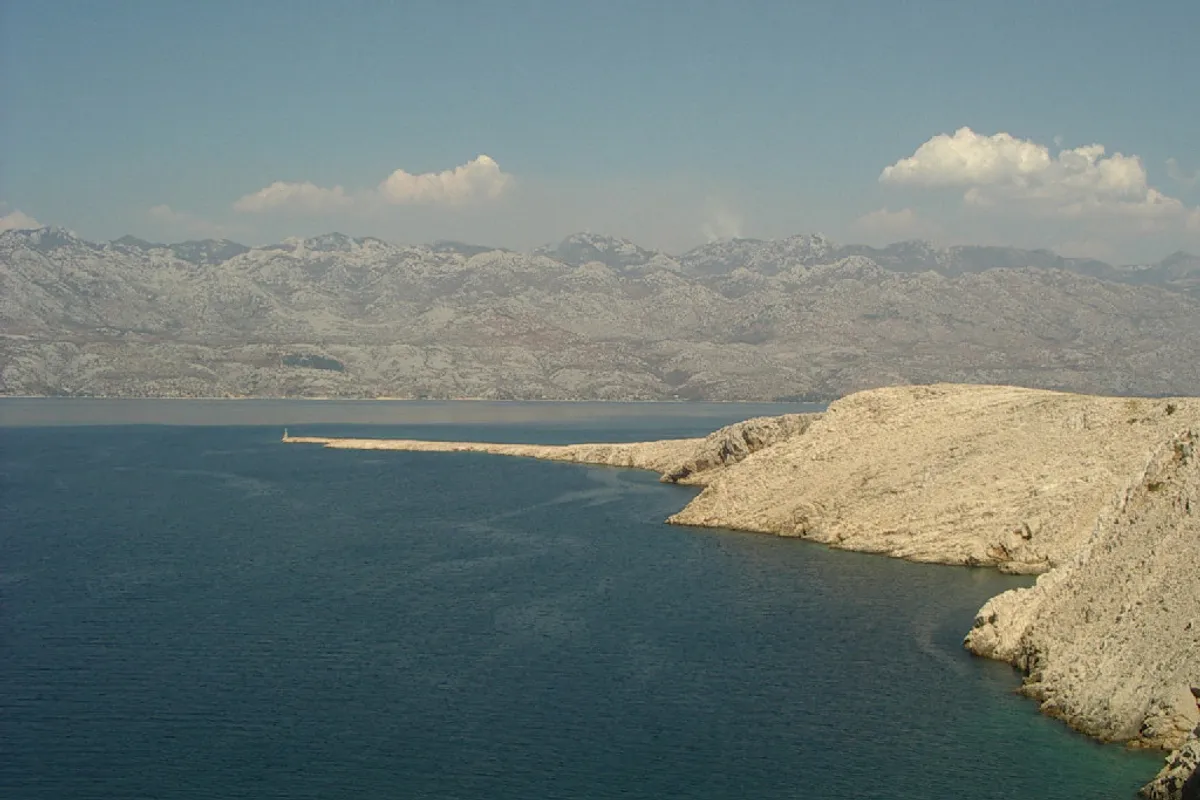
On the feast of the Assumption of the Blessed Virgin Mary into Heaven, known as Velika Gospa, Archbishop of Zadar Milan Zgrablić led the celebration of "Vela Stomorina" in Pag, as the locals call this feast, the Archdiocese of Zadar reported. The celebration gathered around a thousand people in the 171st procession, held in memory of the first votive procession in 1855.
The celebration began in the Church of Our Lady of Stari Grad, from where the procession with the statue of Our Lady of Stari Grad set off. Archbishop Zgrablić also led the procession, which lasted an hour and a half and gathered a thousand faithful; afterwards, he presided over the solemn evening Mass in the Cathedral of the Assumption of Mary in Pag.
This procession has deep roots. The first votive procession took place in 1855 as an expression of gratitude to the Virgin Mary because, in that same year, when many people in Pag died from disease, she saved the people of Pag who turned to her protection. During the epidemic, the people of Pag went to Stari Grad and prayed before the statue of the Mother of God in the old cathedral of the Assumption of Mary.
On the feast of the Assumption, they carried the statue of the Mother of God to Pag and placed it in the cathedral. They then made a vow to carry the statue of the Mother of God in a procession from Stari Grad to the town of Pag every year on the feast of the Assumption, and on the feast of the Nativity of Mary, they return the statue to the church in Stari Grad.
In his homily, Archbishop Zgrablić spoke of Mary's "holy haste" and love for neighbor. "Mary does not postpone good. She does not wait for everything to become clear, for all circumstances to fall into place. She sets out as soon as she learns that Elizabeth needs closeness and help. Her haste is not restlessness, impatience, or superficiality. It is the haste of love, the inner movement of a person who allows God to show him whom he is needed by and what he must do," he said.
The Archbishop also emphasized the importance of the human body. "She proclaims the truth about us and tells us why we were created. We were not created only for earthly life. Our life does not end with the grave, nor will death destroy our body. God created us for Himself, for a communion of love that will have no end. That is why the human body is worthy of the greatest respect," Zgrablić said.
The magnificent procession was captured by renowned and award-winning photographer Saša Ćetković, whose gallery contains 44 photographs that testify to the strength of faith and the centuries-old vow of the people of Pag.
"The procession is an image of our life. We are all on a journey and carry different crosses. Yet, we do not walk alone. Mary goes before us, reminding us that we have a Mother who accompanies us on the journey of life and that there is a goal toward which we are heading," said Archbishop Zgrablić.
At the end, the Archbishop offered a prayer: "May Our Lady teach us to rise when discouragement wants to keep us in place, to serve when someone needs our closeness, to remain faithful when the path becomes difficult, and to set out when God calls us."