More than 200,000 Croatian veterans will receive higher pensions starting next year. Andrej Plenković's government has decided to abolish the last, third reduction of veterans' pensions, thereby fully annulling the first crisis cut introduced back in 2002 during Prime Minister Ivica Račan's mandate, a quarter of a century later.
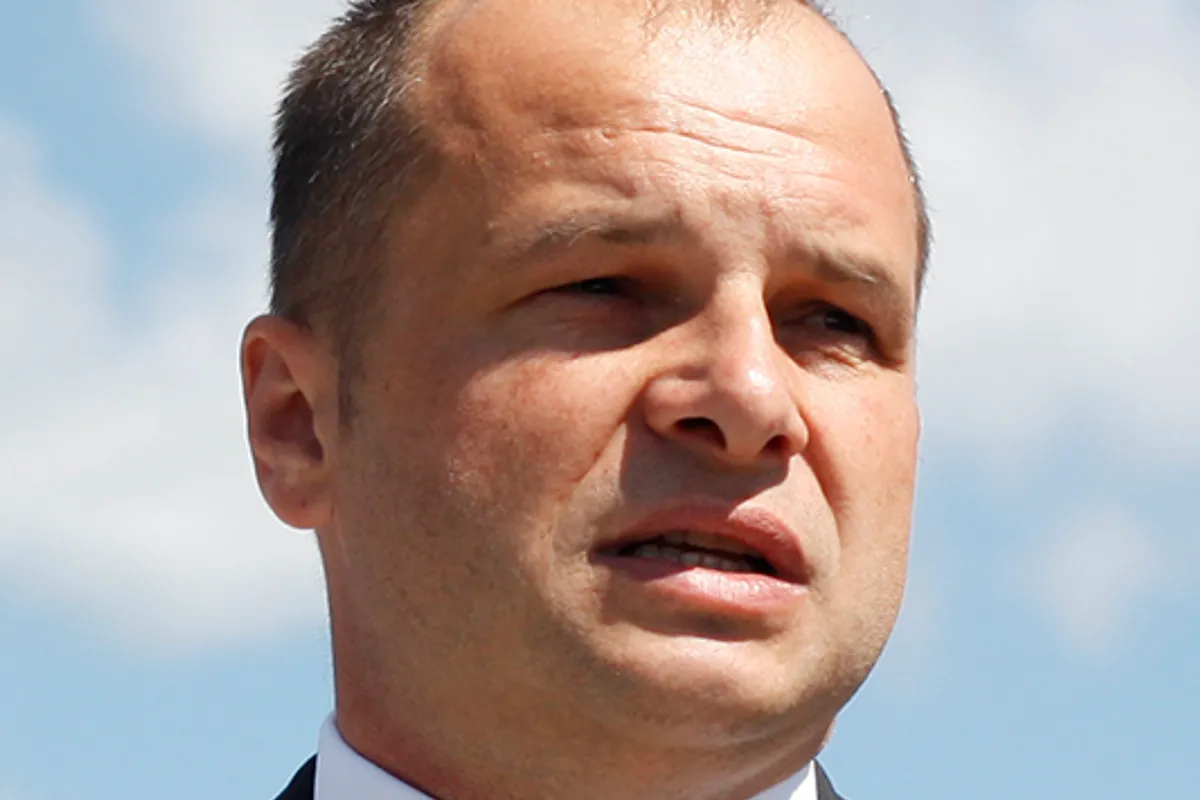
Minister in charge, Tomo Medved, emphasized that this move finally closes a painful chapter for the veteran community. "This rectifies the injustice against Croatian veterans and their families," Medved said.
Three Waves of Cuts During Crises
The history of reducing veterans' pensions spans several mandates and crisis periods. The first cut occurred in 2002 when Račan's government, faced with a massive external debt, high unemployment, and an empty budget, implemented a progressive reduction of military and police pensions ranging from 8 to 20 percent. At the time, the state could not financially sustain the sudden influx of thousands of young military retirees from the late 1990s.
The second blow came in 2010. Jadranka Kosor's government, amid the global financial crisis, introduced a linear 10 percent reduction as a temporary anti-recession measure. The third cut occurred in 2014 during Zoran Milanović's mandate, when Croatia, as a new EU member, entered the excessive deficit procedure. This introduced an additional 10 percent reduction on all pensions under special regulations exceeding 5,000 kuna.
Gradual Abolition: 2017, 2024, and Now
The process of restoring what was taken proceeded in three steps. The first partial abolition came in 2017, and the second in 2024, removing the measures from the Kosor and Milanović eras. Now, starting next year, the first cut from 2002 under Račan will also be annulled. What was introduced as a temporary measure is being lifted after a quarter of a century.
In the short term, these reductions, implemented when the state was on the brink of financial collapse, brought multi-million savings. In the long run, however, they created political and legal pressures, and each restoration represented a new burden on the state budget.
Fairer Recognition of the Homeland War
Under the new model, pension amounts will be determined more fairly based on the length of participation in defense, with special recognition for time spent in combat roles. Minister Medved stresses that the proposal is comprehensive and applies to the entire veteran population, unlike opposition proposals which he deems partial.
The decision to increase pensions and abolish all reductions also carries a strong symbolic message. In the context of recent messages from Belgrade regarding Operation Storm and the Homeland War, this move represents a clear response and recognition of those who defended Croatia.