While Croatia continues to grapple with the aftermath of one of the largest environmental scandals in recent history, the political party Srđ je Grad has issued a sharp statement criticizing the authorities and redefining the concept of patriotism. At the heart of their message, as reported by Dubrovački dnevnik, is the claim that "patriotism is measured by care for the land, water, air, and people, not by the number of flags, concerts, or the size of the image of Our Lady".
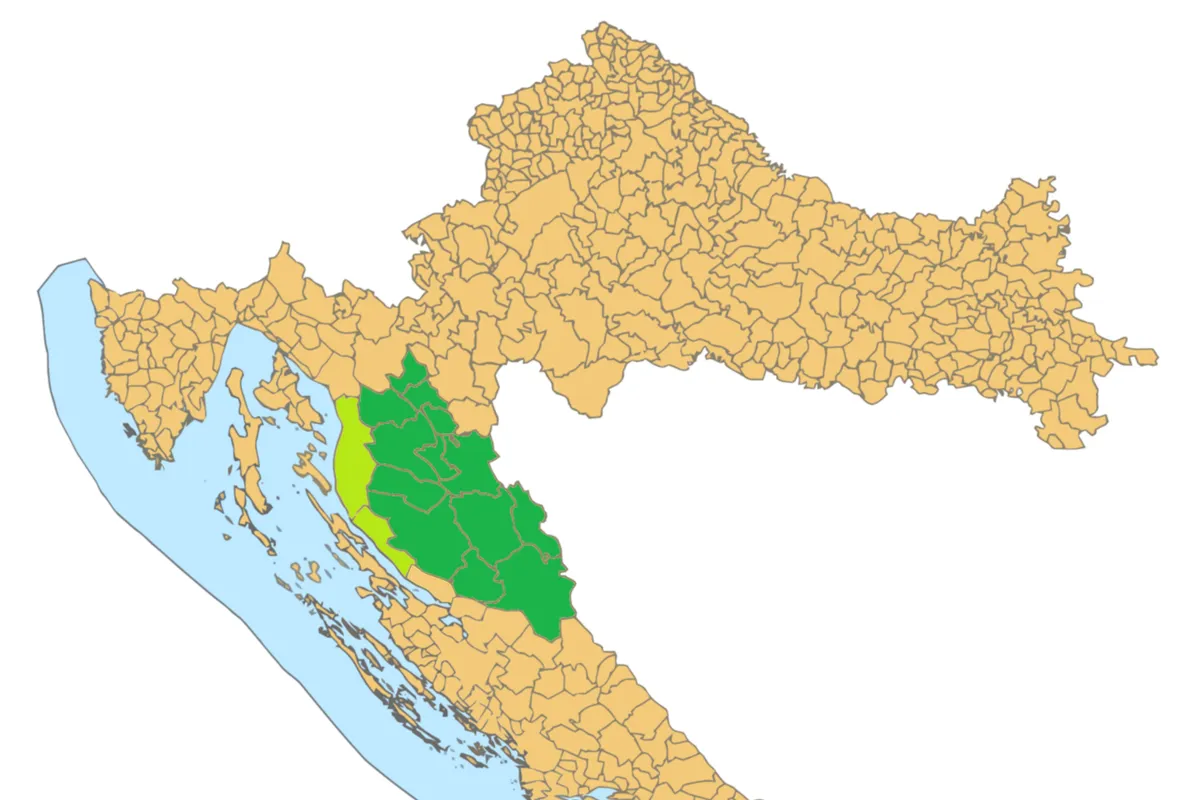
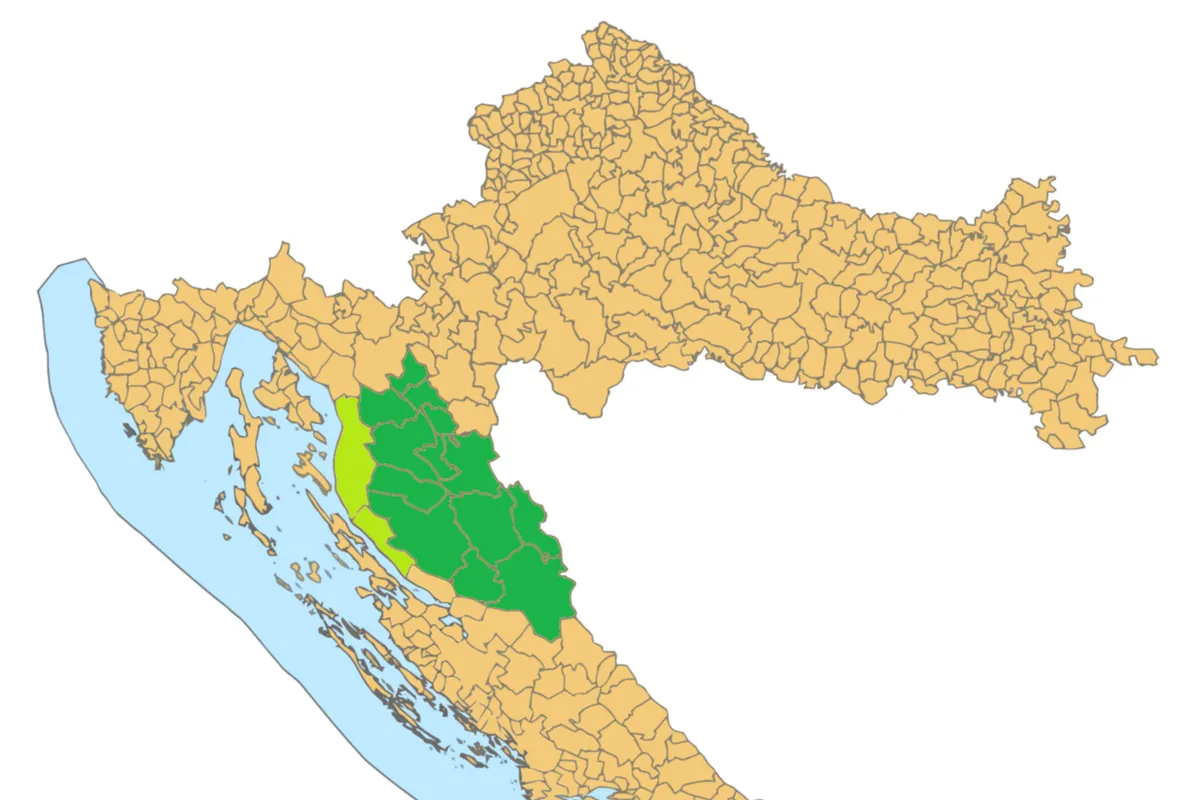
The statement is a direct response to the case of illegal dumping of vast quantities of hazardous waste at multiple locations in Lika, including Gospić, Štikada, and Lički Osik. USKOK arrested Varaždin-based businessman Josip Šincek and 13 others in February 2025, but the question of accountability remains unresolved.
A Ticking Time Bomb in the Heart of Lika
According to a detailed report by Slobodna Dalmacija, as much as 37,000 tons of hazardous waste have been dumped at the former PPK Velebit complex on Bilajska Street in Gospić since the beginning of 2022. The model was simple and highly profitable: companies owned by the Šincek family, such as Tipos Resurs, offered dumping prices in tenders for the disposal of industrial and medical waste from Croatia, Italy, Slovenia, and Germany.
Instead of costly and proper disposal abroad, since Croatia lacks adequate facilities, the waste was falsely declared as ordinary plastic for recycling. Trucks crossed Schengen borders without hindrance, and the cargo ended up in Lika, where it was ground and buried directly into the karst soil. Analyses revealed alarming levels of contamination: copper concentrations 100 times higher than the maximum allowed for agricultural soil, lead 10 times higher, and toxic antimony and hazardous PFAS compounds, the so-called "forever chemicals," were also found.
Political Games and Institutional Silence
Dalija Orešković, former president of the Conflict of Interest Commission and opposition MP, told Slobodna Dalmacija that she had warned about the problems in Parliament as early as April 23, 2025. "During the current prime minister's question time, I warned about what is happening in Lika. And do you know what happened then? A barrage of attacks from HDZ MPs followed. They called me a political busybody, a failed lawyer, and, of course, a hater of everything Croatian," Orešković stated.
She added that Lika was deliberately chosen for this kind of crime because it is a depopulated area with few people who are not dependent on political structures. They believed, she said, that a critical mass of resistance would not form. Orešković also pointed out that citizens of Gospić had informed institutions, including the Lika-Senj County, the Ministry of Environment, the Environmental Protection Fund, the State Inspectorate, and the State Attorney's Office, about their suspicions as early as 2023, but there was no response. County Prefect Ernest Petry (HDZ) issued the first permit for the site in early 2022, and former HDZ minister and current mayor Darko Milinović demonstratively drank a glass of water at a press conference in May 2025. Former Chief State Inspector Andrija Mikulić (HDZ) allegedly demanded half a million euros from Šincek to not dig into the waste.
Journalist Laura Šiprak from 24 sata was the first to report extensively on the case in the spring of 2025, and Orešković also warns of health consequences. "First, they buried hazardous waste in the ground. When they could no longer do that, they left it around, even in a silo. During the summer, the waste heated up, and there was a danger it would catch fire and explode. So they poured hectoliters of water over this poison to prevent spontaneous combustion. And that then seeped into the soil for years, and citizens began to notice an increased number of cases of infertility, as well as cancer and autoimmune diseases," she said.
Cleanup Costs Fall on Taxpayers
Estimates for the complete removal of the waste, including excavation and incineration abroad, range between 100 and 125 million euros. Prof. Dr. Renato Šarc from the University of Leoben emphasized in his expert opinion that the waste is extremely heterogeneous. "The expert assessment alone shows the extreme heterogeneity of the waste. In individual sorted samples, very high proportions of plastic were found, approximately 56 percent and even around 80 percent," he warned, adding that these are different waste streams that require different treatment methods.
His clear conclusion is that one must "immediately stop further leaching, remove the source of contamination, separate the waste into technically defined fractions, and send each to a process that matches its actual properties." In the meantime, the Government of the Republic of Croatia announced a press statement by Prime Minister Andrej Plenković, while Minister of Croatian Veterans Tomo Medved was marking the 35th anniversary of the death of HRT cameraman Gordan Lederer, further highlighting the contrast between official rhetoric and the environmental reality on the ground.