American Blockade Halts Iranian Oil Exports
Satellite imagery and shipping data reveal that no tanker has loaded oil at Iran's main terminal, marking the longest disruption since the conflict began.
Satellite imagery and shipping data reveal that no tanker has loaded oil at Iran's main terminal, marking the longest disruption since the conflict began.
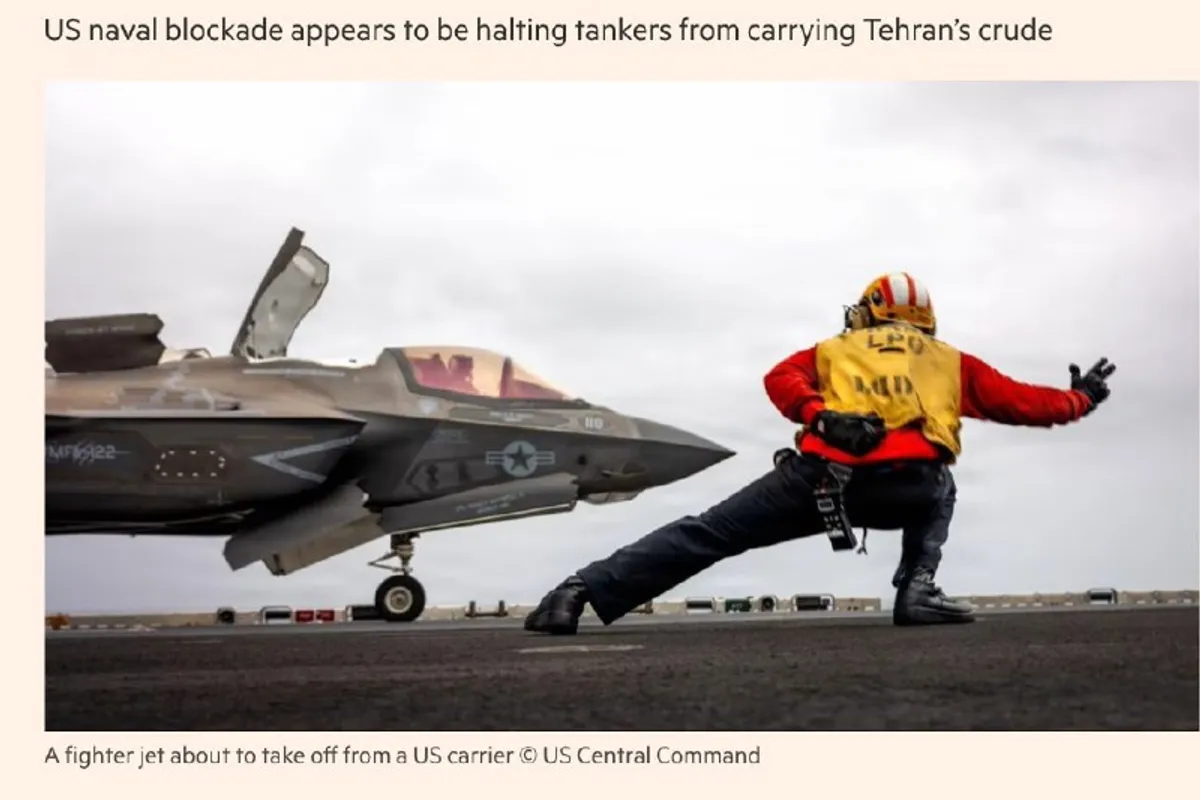
The American naval blockade appears to have completely halted Iran's crude oil exports. According to shipping data and satellite imagery, no tanker has loaded oil at the Kharg Island terminal, Iran's main export hub, for at least a week. This marks the longest shutdown of the terminal since the war began.
As reported by the Financial Times, citing shipping data, the Kharg terminal, which typically handles about 90% of Iran's oil exports, has been inactive since July 31, 2026. Satellite images show all three loading berths empty, with only 16 vessels anchored in the waiting zone, the lowest number since early last month.
The organization United Against Nuclear Iran, which monitors the movement of Iranian tankers, notes that the last tanker loaded with Iranian oil has not successfully left the Persian Gulf since July 12, 2026. Iran is still receiving revenue from shipments that departed during the ceasefire, but this cash flow is expected to dry up in the coming weeks.
Instead of filling storage capacities, Iran, according to available information, is reducing oil production to avoid exceeding them. This indicates the serious logistical and economic challenges Tehran faces due to the blockade.
Iran has agreed with Oman on coordinates for a new oil delivery route, but no progress has been recorded regarding this plan since Wednesday. A person familiar with the situation told the Financial Times that if an acceptable agreement is reached, the U.S. would lift the blockade and reinstate the oil sanctions waiver.
The halt in oil exports from Iran, a key OPEC member, could have a significant impact on global energy prices, and consequently, indirectly affect the energy security and economy of the European Union, including Croatia.