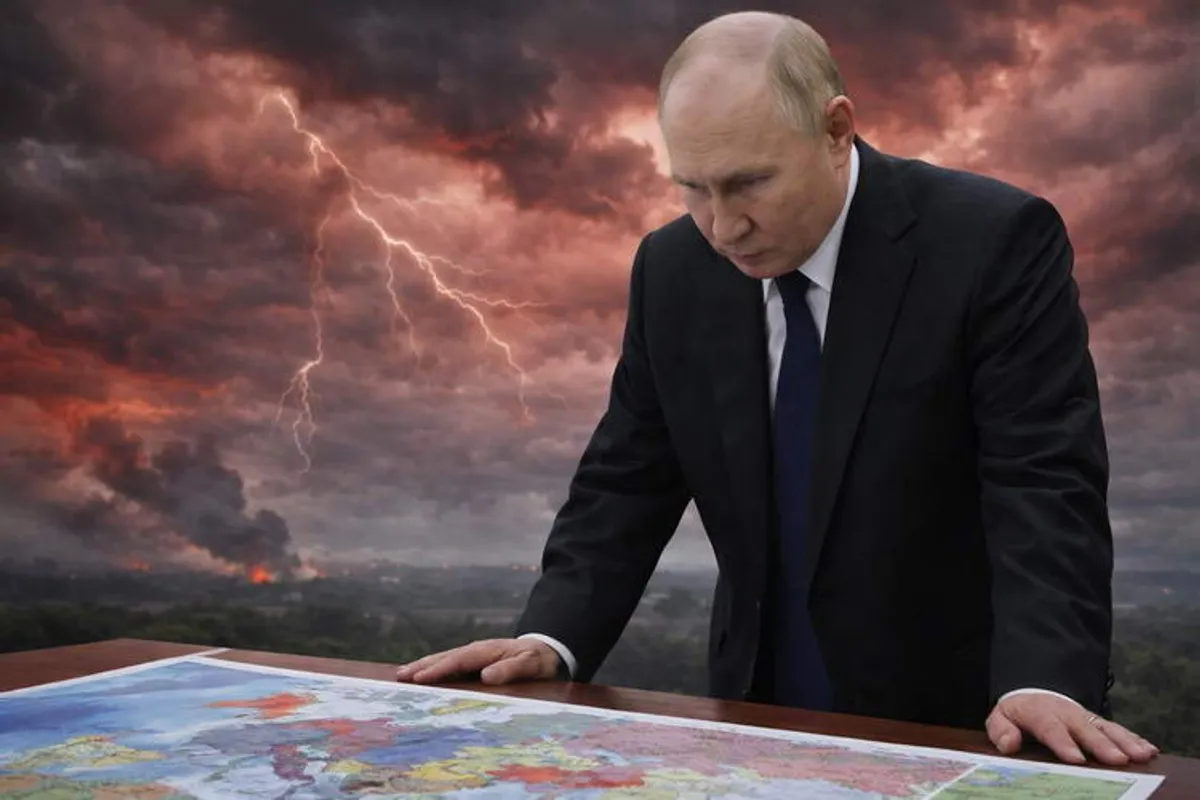
U.S. Senate Opens Debate on Sanctions Against Russia and Iran
A vote on the bill imposing tariffs of up to 100% on the largest buyers of Russian energy could take place as early as today.
A vote on the bill imposing tariffs of up to 100% on the largest buyers of Russian energy could take place as early as today.

The U.S. Senate began debate on Thursday, August 7, 2026, on a bill known as the "hellish sanctions," targeting Russia and Iran. As reported by Radio Free Europe correspondent Aleks Raufoglu, a final vote on the document could take place as early as today.
The bill, named after Senators Lindsey Graham and Richard Blumenthal, aims to exert economic pressure on Moscow over its invasion of Ukraine. The proposal had been stalled in Congress for months, since April 2025, partly due to the shifting approach of President Donald Trump's administration to the war in Ukraine.
The revised version of the bill, resulting from negotiations between the White House and the late Senator Graham, who passed away on July 11, 2026, is significantly softened compared to the original proposal. The initial version called for a flat tariff of 500% on imports from countries purchasing Russian oil or gas.
The new bill proposes tariffs of up to 100% on the world's five largest buyers of Russian energy. The same maximum tariff would apply to the five countries that most assist Russia in evading oil sanctions. Under the draft, the list of the top five buyers would be revised every 180 days. Countries that import less than 15% of Russia's total natural gas exports and are actively reducing such imports would be exempt from the measures.
In addition to tariffs on energy buyers, the bill also includes sanctions targeting Russian President Vladimir Putin and other senior Russian officials directly. Key Russian financial institutions, including the Central Bank, Sberbank, and Gazprombank, as well as Russian state-owned companies and foreign entities supporting Russia's defense-industrial base, are also in the crosshairs.
Special measures are also envisioned against Russia's "shadow fleet," which Moscow uses to continue oil exports despite Western sanctions, as well as against Chinese support for Russia's defense industry. China, India, and Turkey are currently the largest buyers of Russian oil, while the EU, China, and Turkey are among the largest importers of Russian natural gas.
Senate Democratic Leader Chuck Schumer stated that passing this document should send a clear signal of continued U.S. support for Ukraine. The Senate previously voted 86-12 to advance the bill. After passing the Senate, the document must also be considered by the House of Representatives, and then it goes to President Trump for his signature.