Analysis of a Column on Public Reactions to Dalić's New Engagement
Author Ante Jukić analyzes the paradoxical comments that accompany every move of the former national team coach, from a job in the Middle East to salary and patriotism.
Author Ante Jukić analyzes the paradoxical comments that accompany every move of the former national team coach, from a job in the Middle East to salary and patriotism.
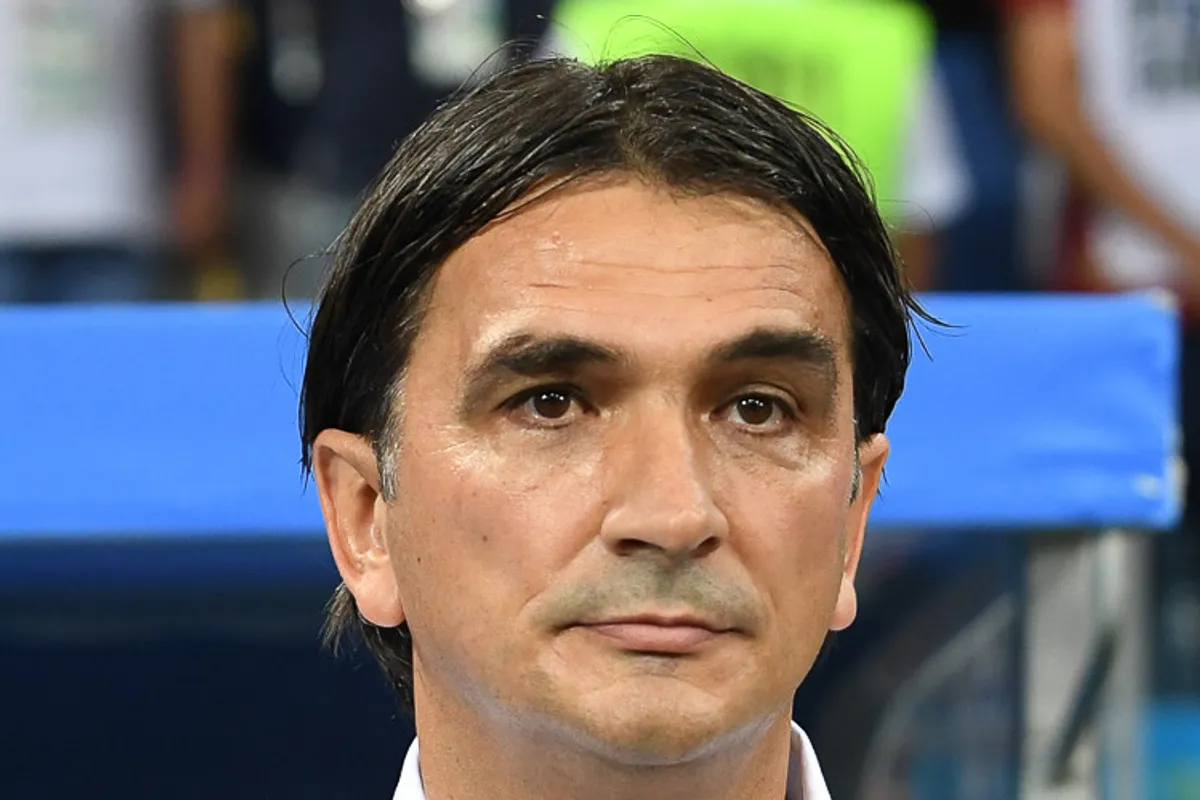
The portal Budica Info published on Saturday, August 9, 2026, a column by Ante Jukić titled "I Can't Stand Dalić! Period.", in which the author dissects the reactions of part of the public to the new engagement of the former Croatian national football team coach, Zlatko Dalić.
In the text, Jukić states that the comments from Dalić's 'fans', as he ironically calls them, are pre-prepared for every possible scenario. "In their notebooks, all possibilities have long been written down, with accompanying explanations for degrading the former coach," writes the author, presenting a series of examples that border on the absurd.
For instance, if Dalić hadn't gotten a job after leaving the national team bench, these commentators would say: "That's proof of his incompetence; he can't work anywhere." On the other hand, as soon as he accepted a job in the Middle East, the same people switched to the thesis: "That's proof of his incompetence; he can only work in exotic countries."
The column also touches on the financial aspect and perceived patriotism. If he were paid less in his new job than with the national team, criticism would follow: "That's his patriotism for you; he took the most money from Croatia." However, if the salary is higher, the argument flips: "That just proves that money is what matters most to him. He sold out, and he always had Croatia on his lips."
Jukić also reminds of the period while Dalić was still leading the national team. If he stayed on the bench, you'd hear: "Why doesn't he leave already? He's privatized the national team." If he left, the comment would be: "He's always swearing by Croatia, and now he's running away." Even hypothetical unpaid work wouldn't escape condemnation, with the label: "Pure populism and acting."
Against these narratives, the author presents a few simple facts. He points out that Dalić's salary on the national team bench was 'peanuts' compared to world football standards, although he admits that for the average Croatian, these are large amounts. He also emphasizes that Middle Eastern countries pay huge sums to both players and coaches, and that in Dalić they don't see "a nobody," but a winner of world silver and bronze, which carries significant weight.
"Besides, Dalić has already proven himself in that region, so this is actually a logical progression of things. But, lo and behold, now that's not good either," concludes Jukić, adding that the same critics previously mocked the offers Dalić received as a coach, calling them fake, only to now shift to new objections.
The columnist does not claim that Dalić must be likable to everyone. "You have the right to organically not stand him, and that's human. But then you should say so," Jukić urges, suggesting that it's more honest to simply express dislike than to constantly seek reasons for belittlement and mockery in every possible scenario. The text ends with the remark that, if nothing else works, one can always resort to declaring someone hypocritical and immoral, with the ironic addition that "no one else is. Especially not journalists."