Bahrain and Kuwait Secretly Struck Iran, Tehran Retaliates with Missiles
Two Gulf Monarchies Directly Attack Iranian Drone and Missile Depots for the First Time. Footage from Bahrain Shows Failed Anti-Missile Defense.
Two Gulf Monarchies Directly Attack Iranian Drone and Missile Depots for the First Time. Footage from Bahrain Shows Failed Anti-Missile Defense.
Bahrain and Kuwait secretly conducted airstrikes on Iranian drone depots and missile facilities in early July 2026, marking the first direct military retaliation by these two Gulf monarchies against Tehran, the Wall Street Journal reported on Friday, July 24, 2026. According to sources familiar with the details, the United Arab Emirates provided intelligence on targets and provided air cover for the operation, which the WSJ describes as a sign of growing Arab coordination against Iran.
According to the WSJ report, as relayed by the Jerusalem Post, the reason for Bahrain and Kuwait's decision was that, although they have relatively small air forces equipped with American and European aircraft, they were unwilling to allow Tehran to continue attacking them without response. In contrast, Oman and Qatar have long pursued a balanced policy between Iran and the West and have shown no willingness to engage in direct conflict with Tehran, the same sources state. Saudi Arabia, which according to the same report joined the United Arab Emirates in strikes on Iran in an earlier phase of the conflict, is now reportedly reassessing its position.
While Bahrain and Kuwait's secret strikes were carried out in early July, Iran on July 22, 2026, attacked American positions in Bahrain, Saudi Arabia, Iraq (Erbil), and Jordan (King Hussein International Airport), according to information published by the Telegram channel Suriyak Maps Syria. On the same day, the U.S. retaliated with strikes on Iranian territory, including Chabahar, Bandar Abbas, Behbahan, Tabriz, Larak Island, and Ramshir. The same source also mentions Iranian attacks on Jordan (King Faisal Air Base), Qatar, and Kuwait, with targets including the Ali Al-Salem military base and the Abdali border crossing with Iraq, but the exact date of these attacks is not specified.
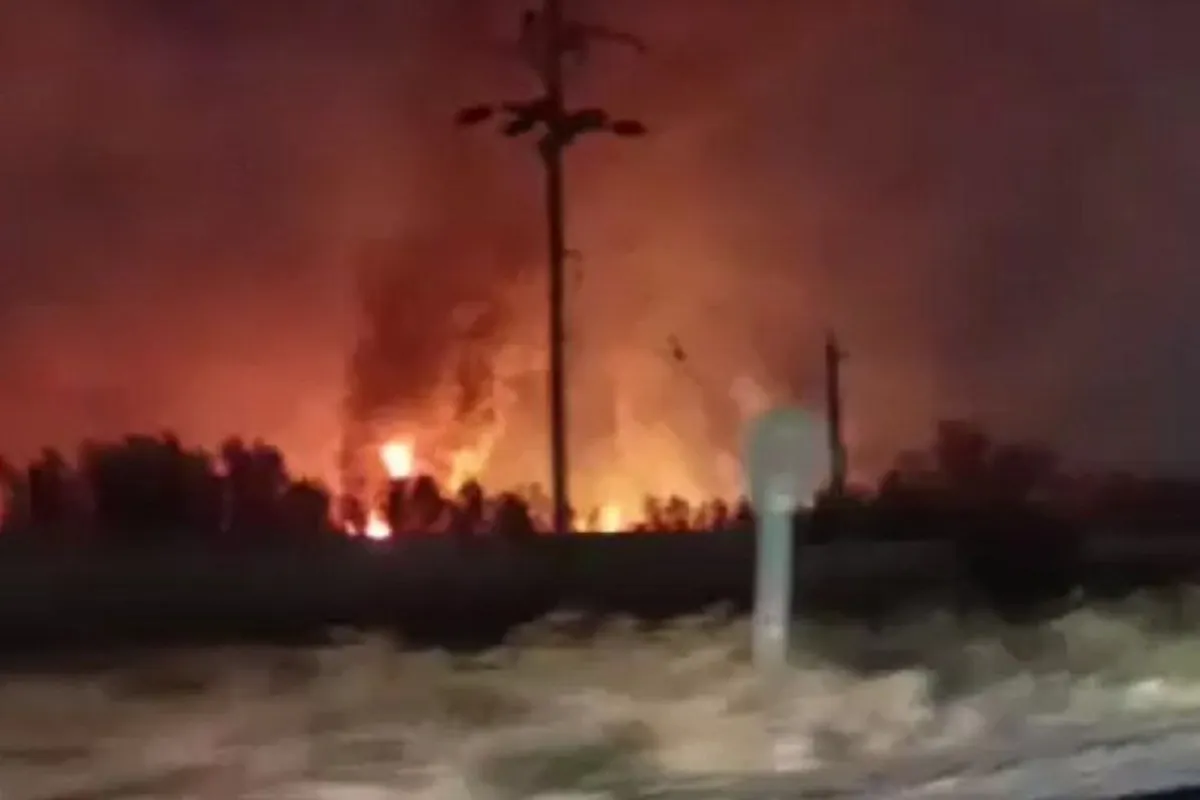
The Telegram channel WarFront Witness released footage from Bahrain showing a failed anti-missile defense, and Clash Report confirmed an Iranian missile strike on that Gulf monarchy. Details on any damage or casualties were not published in available sources. The footage drew attention because it visually documents a failure of defense systems at one of the key bases for the U.S. military presence in the Gulf.
The conflicts between Iran and the Arab Gulf monarchies, with active U.S. involvement, are escalating into a pattern of reciprocal strikes that involve more and more countries in the region. Iran, according to Suriyak Maps Syria, has warned that continued American attacks will threaten the economic and energy infrastructure of the Persian Gulf countries. The background and exact sequence of all attacks have not been fully confirmed from independent sources, and some information comes exclusively from Telegram channels monitoring the conflict without the possibility of independent verification. There were no official comments from Iranian authorities or the governments of Bahrain and Kuwait at the time of publication to confirm or deny the WSJ's claims about the secret strikes.
Further developments remain unpredictable. If confirmed that the number of countries directly attacking Iranian territory has grown to five (U.S., UAE, Saudi Arabia, Bahrain, and Kuwait), it could mark a qualitative shift in the regional war with potential consequences for oil supply stability and global energy markets. No next diplomatic or military steps have been announced so far.