From Biker Chick to Ballerina: Rosalía Reinvents Her Visual Identity
On her world tour Lux Tour, Rosalía has radically transformed her aesthetic, moving from the biker-inspired Motomami era to ethereal ballet and religious iconography.
On her world tour Lux Tour, Rosalía has radically transformed her aesthetic, moving from the biker-inspired Motomami era to ethereal ballet and religious iconography.
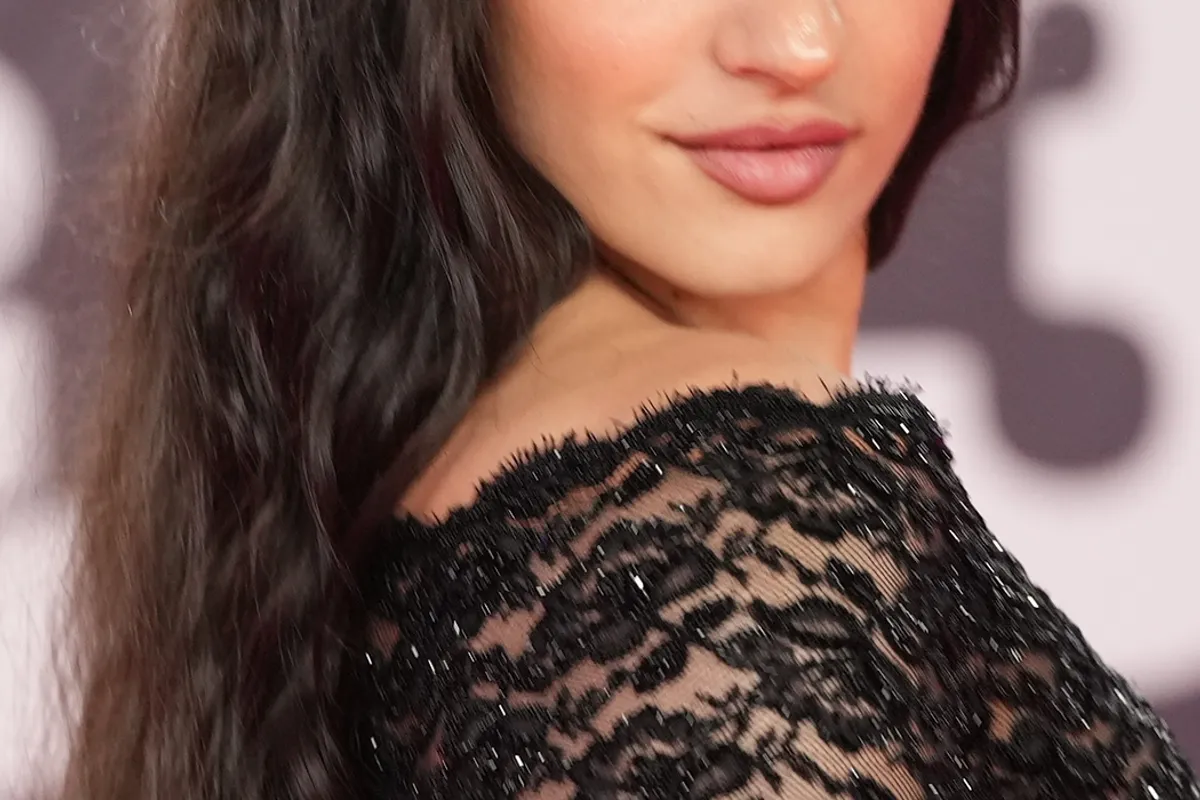
This year, Rosalía embarked on her biggest world tour to date, the Lux Tour, accompanying her album of the same name released last year. Lux marks her fourth studio album and a significant visual shift. On this album, the Spanish singer uses as many as 14 languages, with musical styles ranging from glitchy hip-hop and reggaeton to flamenco rhythms and opera, while on stage everything transforms into a lavish blend of classical music, mystical elements, theater, and religious iconography, as reported by Buro 24/7.
With this tour, Rosalía radically changes her visual language. The rough, urban, and somewhat aggressive aesthetic of the Motomami album has been replaced by a completely opposite approach: ethereal veils, ballet silhouettes, layers of white, religious symbols, and an almost angelic atmosphere.
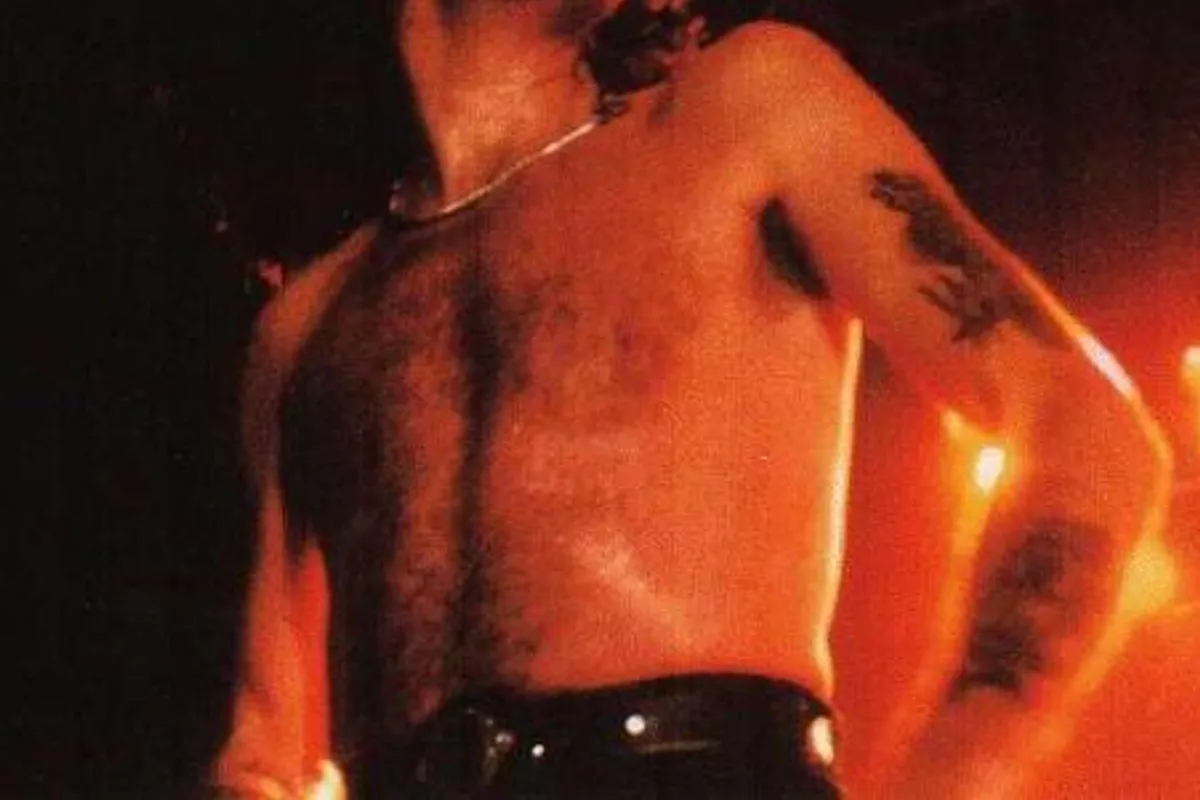
Motomami was characterized by leather, helmets, studs, motorcycle lines, and sporty pieces, with designs by Dion Lee standing out. That was an aesthetic of speed, resistance, and female power. Lux, on the other hand, is quiet, and perhaps for that very reason, even more dramatic.
On stage, we now see flowing dresses, corsets, white veils, and tutu skirts, with ballet references that Rosalía combines with her signature subversive details. Instead of sharp, fast movements, the choreography is now more fluid and restrained, almost as if we're watching a ballet performance within a pop concert.
Even her vocal approach adapts to the new aesthetic. She increasingly abandons conventional pop singing in favor of operatic and vocal techniques inspired by church music, and performing in Latin, Italian, Sicilian, and other languages further reinforces the impression that we're witnessing a blend of concert, opera, and performance art.
Just as David Bowie or Madonna once did, Rosalía uses fashion as a way to mark new creative chapters. For her, clothing has never been just clothing. The Motomami leather jacket represented survival and female power, while the Lux veils and ballet structures point to vulnerability, purification, maturity, and a return to classical foundations.
Here, collaborations with fashion brands like Dior and Acne Studios are not just ordinary sponsorship deals. The clothing is designed and chosen to work under the spotlight and follow Rosalía's movements, making almost every shot from her performances look like a fashion story.
Rosalía has divided the tour's visual identity into two major chapters: European and American. The European part brings dark romanticism, historical allusions, and an almost sacred atmosphere. On stage, we see ballet pointe shoes, puffy tulle skirts, embroidered lace capes, and headpieces that evoke nuns.
In terms of aesthetics, the house of Ann Demeulemeester particularly stands out, with its creative director, Stefano Gallici, transforming classical ballet into something much darker, with more poetry and deconstruction through the costumes he designed for Rosalía.
For the American part, Rosalía chose Dior and Jonathan Anderson, who interprets the house's tradition in a very contemporary way. There are dresses with embroidered embellishments, paired with satin tricorn-inspired hats, drawn from Dior's ready-to-wear spring 2026 collection, while Rosalía dances in these outfits in real, functional ballet pointe shoes.
However, Rosalía's personal wardrobe also follows the new aesthetic. As she moved through the streets of New York, the singer gave the impression she had just finished a performance, wearing a custom-made Yasmina latex body dress, cinched with two straps, paired with a white tulle tutu skirt. In this way, she brought her signature concert style to the city streets.
Extreme luxury and physical exertion exist side by side. The costumes are not just beautiful objects we admire from the audience; they must follow the body, movement, and choreography, making the singer-songwriter literally a living art installation.
Motomami represented the Rosalía we could see speeding through the city on a motorcycle, dressed in leather and wearing a helmet. Lux is the Rosalía who, instead of turning toward the ground, directs herself toward the sky. The biker chick has become a ballerina.