Blaž Slišković, one of the most talented footballers from this region, spoke in an extensive interview for Nedjeljnik about topics that still provoke strong reactions today. The former Hajduk midfielder, known as the 'Balkan Maradona', touched on the destruction of the Old Bridge in his native Mostar, the offers he turned down before moving to Split, and his own demons that prevented him from reaching even greater heights.
Bridges and Lives: 'Let Them Destroy It'
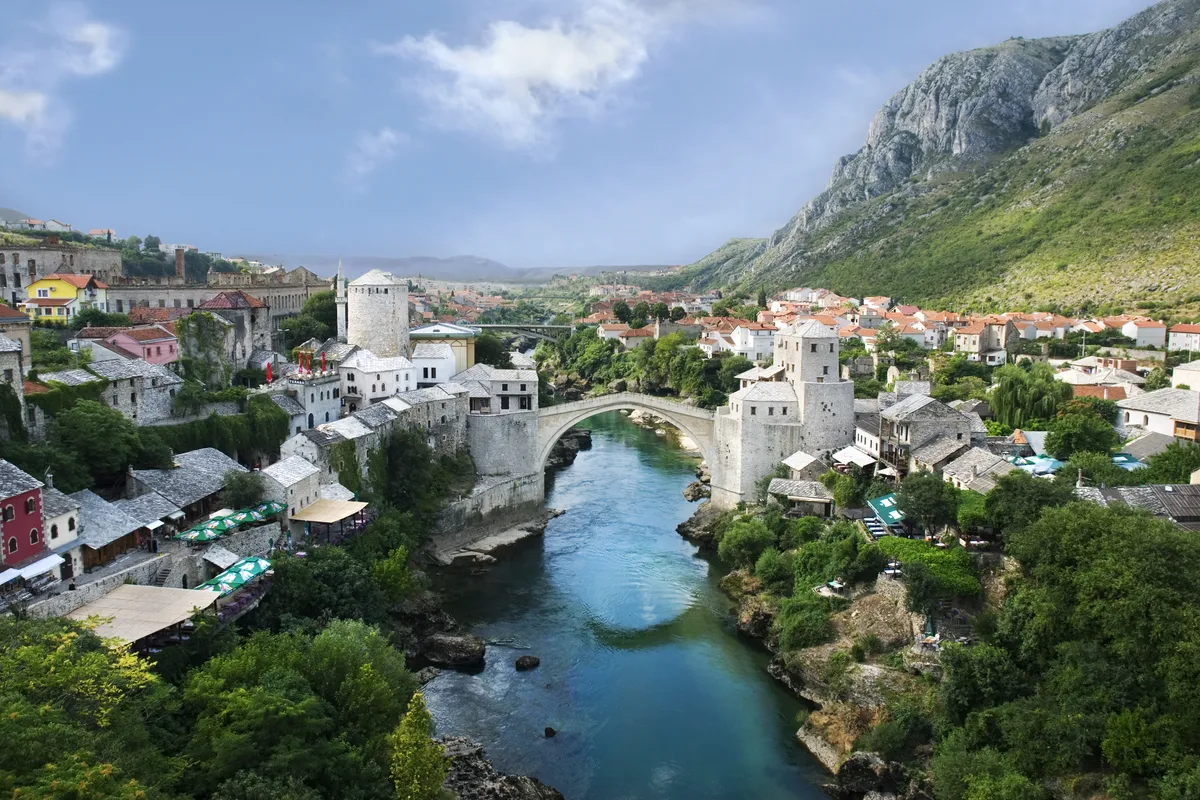
When asked what the destruction of the Old Bridge meant to him during the war in Bosnia and Herzegovina, the 67-year-old Slišković gave a direct and poignant answer. "What did the destruction of that bridge mean to me? Well, it was a sad sight. But you know what? If it is true, and only if it is true, that the bridge was used to transport ammunition for the Army of BiH, I am glad it was destroyed," said Slišković.
He emphasized that his motive was not directed against the army, but solely against the weapons transported across it. "I would tell you the same if the HVO had transported ammunition over that bridge. That way, maybe a hundred lives were saved. And one human life is worth more than a hundred old bridges. I would give a hundred f***ing bridges for one life," he added without hesitation.
He also commented on today's discussions about symbolism, noting that all Mostar bridges were destroyed during the war, and that people mourn most for the one built by the Turks. "And at the same time, they don't mourn the ten thousand people. They say the bridge is a symbol. Yes. But look, they built new ones. We need to look at things objectively," concluded Slišković.
Zidane's Idol and the Transfer That Shocked the Sabor
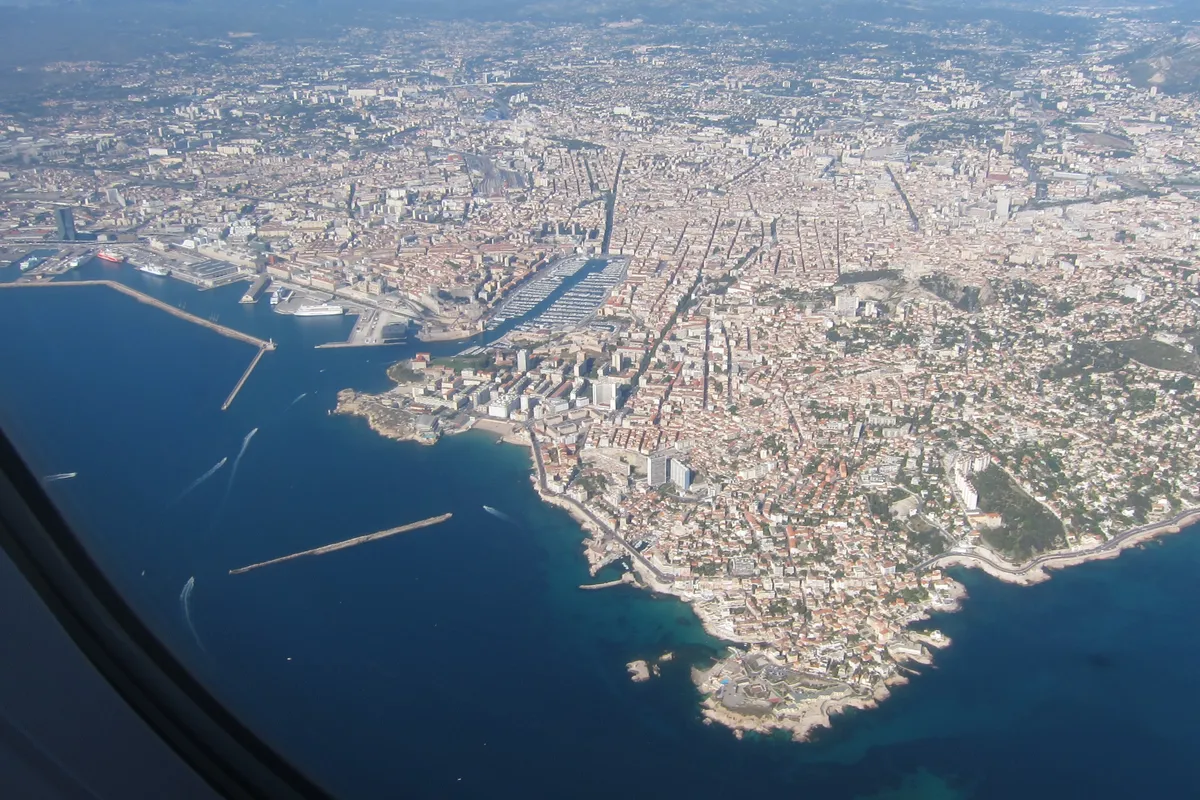
The richness of his talent is sufficiently illustrated by the fact that Zinedine Zidane, one of the greatest players of all time, openly called him his idol. "As a child, I had my idol, a great one. It was Blaž Slišković, who was then playing for Olympique de Marseille, a team I supported," the French virtuoso once said.
When he transferred from Velež Mostar to Hajduk Split in 1981, the move caused a real uproar. His salary, the transfer fee, and perks such as an apartment and land in Brela were even discussed in the Parliament of the Republic of Croatia, which was almost unthinkable in the socialist environment of the time.
Slišković revealed that he also had lucrative offers from Belgrade. "Džaja was the most honest here. He told me, Baka, I can't match Hajduk's money. I can promise you a villa in Dedinje, you choose which one you want, and I promise you 90 appearances for the national team," he recalled. However, the proximity of home and Hajduk's desire were decisive. "Partizan also offered money; I talked to them too. Dinamo as well. But I chose Hajduk," he said, adding that the Split club had the most 'black money' of all the big four clubs at the time.
Broken Leg and Missed World Cup
Despite his brilliant performances in European competitions, he only won the Yugoslav Cup with Hajduk in 1984. In the final against Red Star Belgrade, in the first leg that ended 2-1, he scored a spectacular goal directly from a corner, with Tomislav Ivković in the visitors' goal.
The worst moment of his career came in Belgrade, where players Dimitrijević and Serpak brutally fouled him, breaking his leg, without any punishment. Due to that injury and a long recovery, he missed the 1982 World Cup in Spain, which remained one of the greatest regrets of his life.
Bohemian Ways and the Game of His Life
Although he only made 26 appearances for the Yugoslav national team and scored three goals, his lavish talent came with unconventional behavior. He was known as a bohemian, and on one occasion he didn't travel with the team because, as he himself recounted, he "locked himself in his apartment and then forgot where the key was."
He played the game of his life in the national team jersey in 1984 against Italy in the qualifiers for the Los Angeles Olympics. In a resounding victory with five goals, Slišković scored twice and provided two assists, confirming why French journalists dubbed him the 'Balkan Maradona'. After Hajduk, he played for Pescara, Marseille, Lens, and Mulhouse, and ended his career at Zrinjski Mostar.