Čazma Cuts Waste by 38 Percent: Lower Bills for 1,700 Users
The new waste management system delivered impressive results in its first month, and Komunalije director Marijan Galović reveals plans for a composting facility and digitalization.
The new waste management system delivered impressive results in its first month, and Komunalije director Marijan Galović reveals plans for a composting facility and digitalization.
The first month of the new waste management system in Čazma has delivered results that exceeded all expectations. The amount of mixed municipal waste has decreased by as much as 38 percent compared to the same period last year, and most of the approximately 1,700 users will also see lower waste collection bills.
According to data provided to Super portal by Marijan Galović, director of Komunalije Čazma, 150 tons of waste were transported to Garešnica in July 2025. This year, in the first month of the new model's implementation, that figure dropped to 93 tons. "As far as we can remember, Čazma hasn't had less than 100 tons of waste in a single month for a long time," Galović emphasized, adding that compared to June, when the system was introduced, there was an additional twenty percent reduction in waste.
Residents now pay for the collection of mixed municipal waste based on the number of container empties, and separate collection of plastic, paper, and bio-waste has also been introduced. Although the system has accelerated the sorting process, there are still challenges on the ground. "Our workers are forced to leave behind certain plastic bags that haven't been properly sorted," Galović explained. Employees already check the contents of bags on-site, and if the waste isn't correctly separated, they leave the bag with the user for re-sorting.
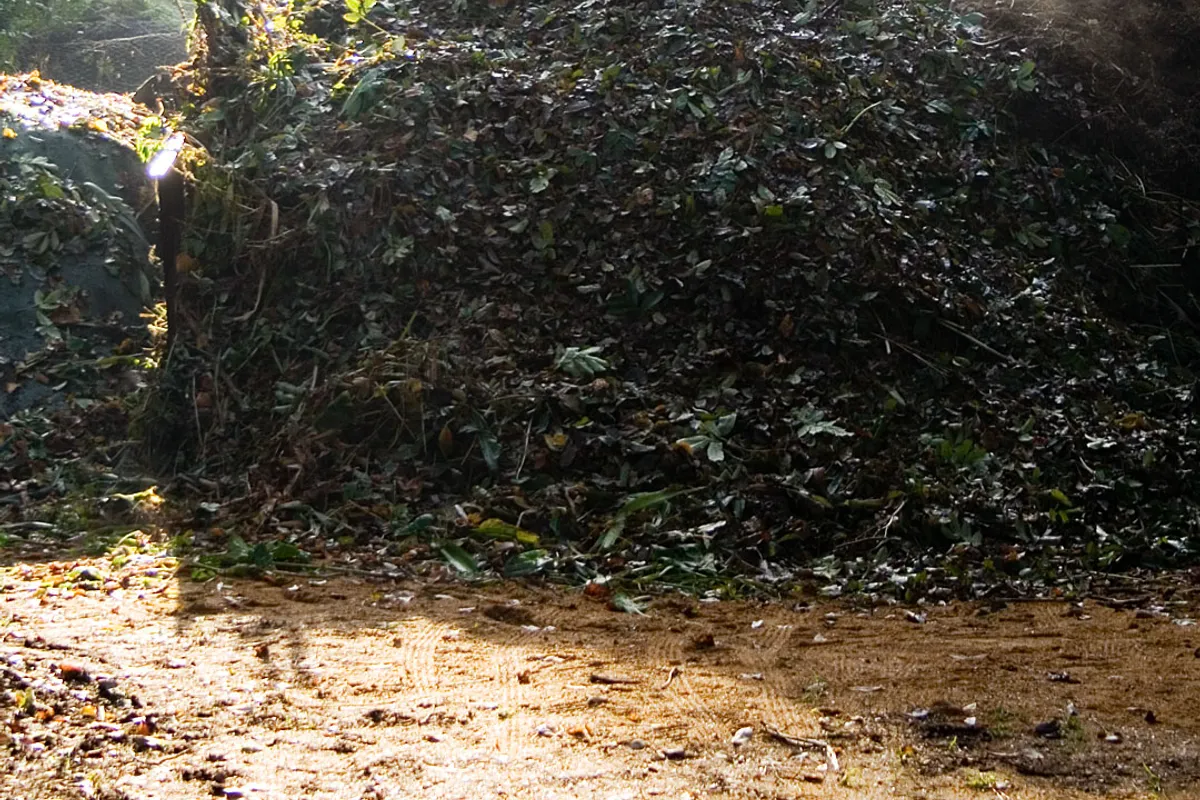
As for bio-waste, the director admits he expected larger quantities, but he doesn't see this as a bad sign because a large portion of residents already compost in their own households. The problem is posed by regular plastic bags that end up in bio-waste bins, especially in the city, but the first quantities sent for further processing have shown very good quality of the collected material.
Residents have noticed that some individuals are disposing of waste in containers near the City Administration or Erste Bank, but Galović clarifies that public containers don't actually exist. "The container near Radio is used by the City of Čazma, while the one near Erste Bank is shared by several business entities," he said. Owners and users of residential buildings are advised to agree on locking the containers with padlocks to prevent unauthorized disposal.
When it comes to bio-waste from grass mowing or fruit tree pruning, smaller bins have proven sufficient for regular needs. During periods when there's more, residents can leave an additional bag or box next to the container. "We'll pick everything up and empty it directly into the truck, and return the bag or container to the user. Bio-waste is a valuable material for us, and we want to collect as much as possible," Galović stated.
The new collection method has also changed work organization. Trucks heading to Garešnica now depart every two to three days instead of almost daily, resulting in fuel savings. Daily routes are shorter because residents take out their containers less frequently than anticipated. "We expected an average of two collections per household per month, but now we see that the average is even lower," the director pointed out.
The first billing cycle shows that around 1,200 users will have a bill of €12.40 or €15, and an additional 409 users will pay €18.08. On the other hand, 262 users will have three collections per month, and 194 users will have four, meaning that about 19 percent of users will pay more. Among them are business entities with a justified need for more frequent emptying. "Everyone will pay for as much waste as they actually produce through the variable part of the bill," Galović concluded.
Komunalije Čazma isn't stopping here. One of the most important projects is the construction of a composting facility, which depends on the completion of the remediation of the existing landfill. Galović hopes the City will successfully apply for project funding. A mobile app with a collection calendar and reminders for residents is also in preparation, and work is underway on the digitalization of the cemetery. An electronic system for searching grave sites will be introduced so that residents can easily find information about each plot online.