Four Warnings from Stephen Hawking: Which Have Already Come True?
The physicist and cosmologist warned of nuclear war, genetically modified pathogens, climate change, and uncontrolled AI development-and the last two risks are all too real today.
The physicist and cosmologist warned of nuclear war, genetically modified pathogens, climate change, and uncontrolled AI development-and the last two risks are all too real today.

Stephen Hawking is remembered as one of the most renowned physicists and cosmologists of the modern era, but in the final years of his life, he increasingly spoke about the future of humanity. The scientist, who spent decades exploring the universe, publicly issued warnings about scenarios that, in his view, could pose serious threats to human civilization.
Among them, four dangers stood out: nuclear war, genetically modified pathogens, climate change, and the uncontrolled development of artificial intelligence. Today, several years after his death, some of these warnings sound more relevant than ever.
Hawking was born on January 8, 1942, in Oxford, exactly 300 years after the death of Galileo Galilei. He died on March 14, 2018, on Albert Einstein's birthday, at the age of 76.
His life was profoundly shaped by a disease diagnosed at an early age. At just 21, he was diagnosed with amyotrophic lateral sclerosis (ALS), and doctors at the time estimated he might survive only a few more years, according to author Vanda Poljak for Dnevno.hr.
The opposite happened. Hawking lived with the disease for decades, built an extraordinary scientific career, and became one of the most recognizable scientists in the world. He is best known for his theoretical contribution suggesting that black holes can emit energy due to quantum mechanisms, which later became known as Hawking radiation.
One of his most frequent warnings concerned global warming. According to a Dnevno.hr report, Hawking expressed his belief that unchecked climate changes could lead to severe consequences for our planet and human society.
He often highlighted the risk of reaching tipping points after which halting climate change would become nearly impossible. Even after his death, the world continues to face extreme weather events such as record heatwaves, heat strokes, wildfires, droughts, and other similar phenomena.
Another Hawking warning that has gained entirely new weight in recent years concerns artificial intelligence. Hawking did not consider technology inherently harmful; in fact, he believed its advancement could bring great benefits to humanity.
His concern was about the potential creation of systems that could surpass human intelligence and whose behavior humans would find difficult to control. Artificial intelligence is already part of daily life for many people, and its rapid development has sparked debates about safety, control, impact on employment, and regulation.
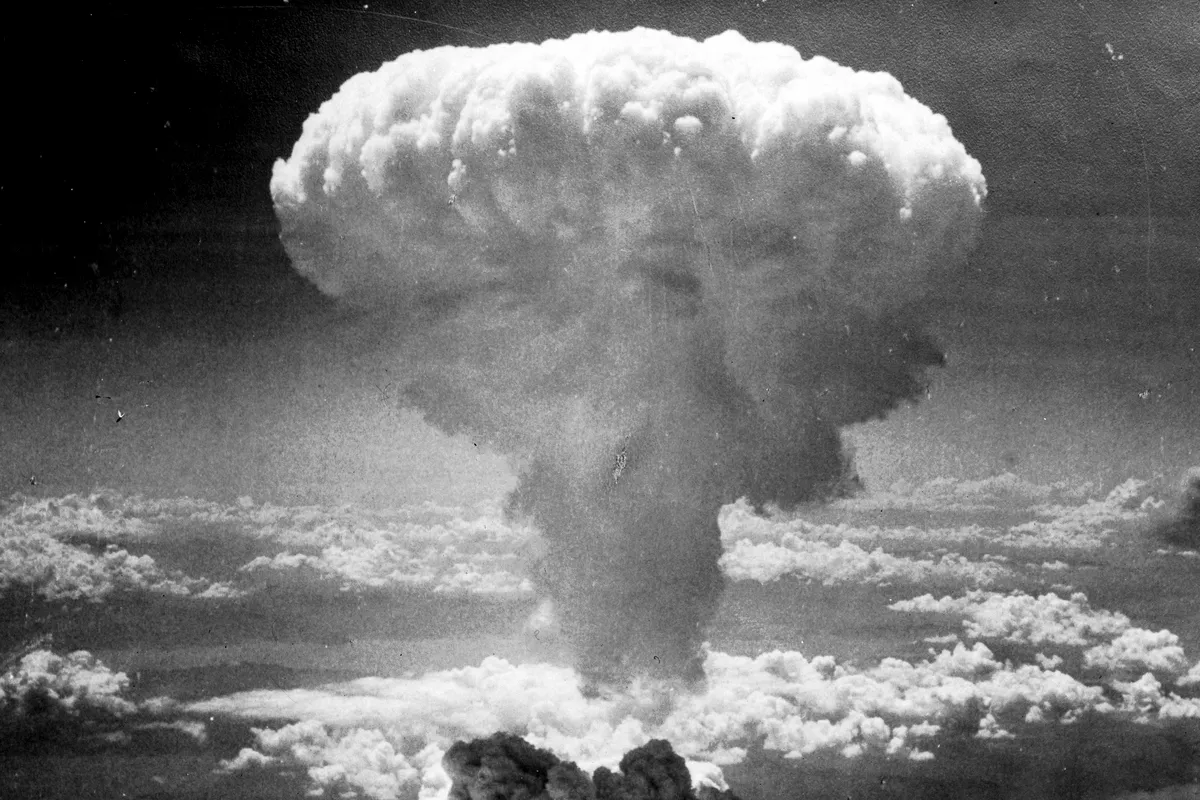
His list of potential catastrophes also included nuclear war. Hawking warned that humanity possesses technology capable of causing immense harm to itself, emphasizing that human aggression, combined with modern weapons, poses a significant danger.
He also expressed concerns about biological threats, including genetically modified viruses. Scientific progress allows humans to alter biology in ways previously unimaginable, and Hawking feared these capabilities could be misused.
Despite the warnings, Hawking's outlook on the future was not purely pessimistic. He had faith in science, human curiosity, and space exploration, and he believed humanity should not remain permanently confined to one planet.
That is why he supported space exploration and the possibility of establishing human communities beyond Earth. For him, expanding to other planets was not just about realizing science fiction ideas but also about ensuring the long-term survival of the human species.
Hawking was not a prophet, so his warnings should not be interpreted as precise predictions of future events. As Dnevno.hr concludes, these warnings were risk assessments by a scientist who believed that technological development gives humanity both immense opportunities and the means to threaten its own survival.