Oil Price Surpasses $90
Brent rose 2.55 percent on Tuesday, touching levels above $90 per barrel. Investors are increasingly skeptical of a quick reopening of the strategic strait, and analysts warn of further price increases.
Brent rose 2.55 percent on Tuesday, touching levels above $90 per barrel. Investors are increasingly skeptical of a quick reopening of the strategic strait, and analysts warn of further price increases.
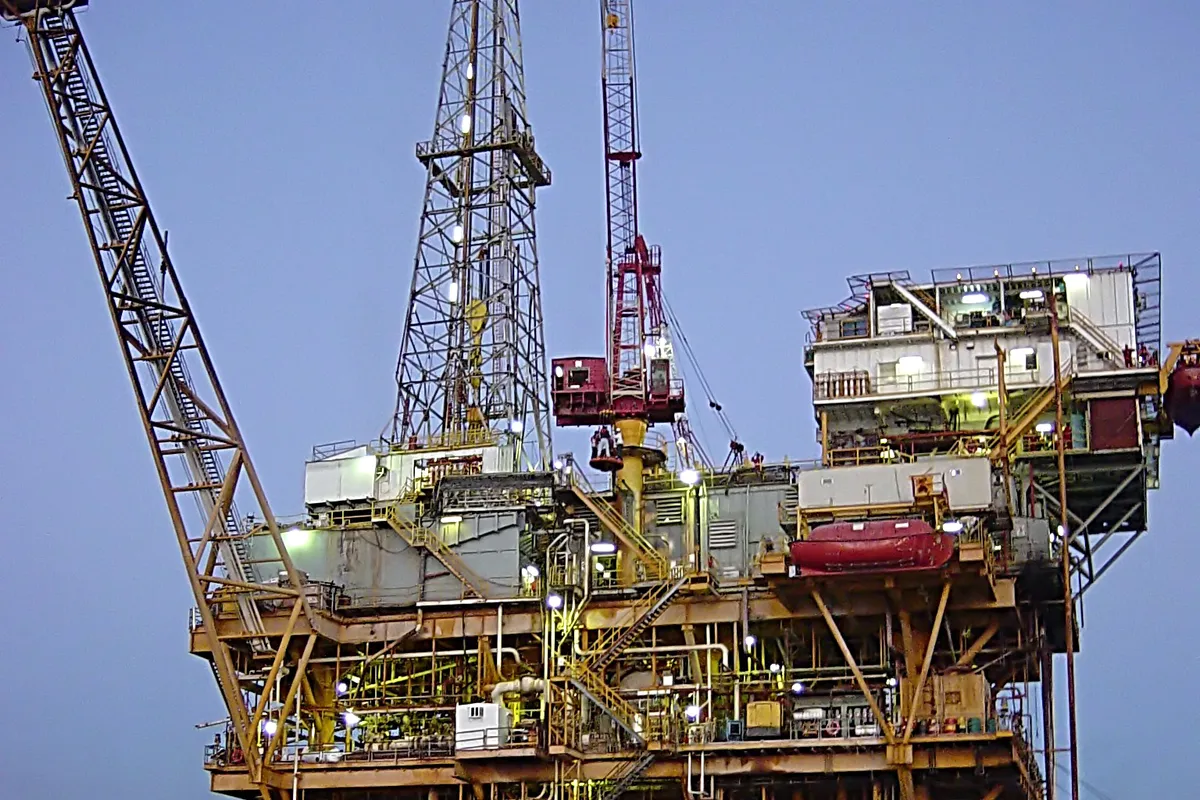
Crude oil prices continued to rise on Tuesday, August 11, driven by growing market concerns that the blockade of the Strait of Hormuz will be prolonged. Namely, the demands of Iran and the United States for its reopening have proven to be completely incompatible. The price of Brent crude for October delivery rose 2.55 percent, reaching $89.96, after surpassing the psychological threshold of $90 during the morning.
The American benchmark West Texas Intermediate (WTI) for September delivery saw an even stronger jump of 2.91 percent, climbing to $84.52 per barrel. The increase began on Monday, when Tehran presented its conditions for unblocking this vital waterway for global energy trade.
The rhetoric between the two sides has further intensified after US President Donald Trump commented on Iran's demands on his social media platform. "Iran 'demands compensation for the damage they suffered during five months of military conflict'," Trump wrote, "'although this was never mentioned in any of our negotiations or meetings'."
The US president then offered his own interpretation of that logic. "But it's an interesting idea because, in the same way, I also demand compensation from Iran, for all the people they have killed and wounded in attacks and 'conflicts', including 'the families of those who died on the USS Cole'", the American warship hit by a deadly attack in 2000 in Yemen, Trump added.
This development is being interpreted in the market as a clear signal that the blockade will not end soon. "This message reinforces the idea in the market that it is unlikely that the Strait of Hormuz will reopen soon," said Arne Lohmann Rasmussen, an analyst at Global Risk Management. He adds that this directly pushes oil prices upward, especially in the context of other disruptions.
"This reversal is happening while the Houthis are trying to block maritime traffic in the Red Sea, and global oil inventories continue to decline," emphasized Lohmann Rasmussen. John Evans, an analyst at PVM, explains why markets are so sensitive to political statements. "If investors react so strongly to political statements, it's because they expect a 'surge in crude oil supply if the Strait of Hormuz reopens', which could drive prices down," Evans said.
The volatile sentiment in the oil market has become a pattern in recent weeks. "The pattern keeps repeating: initial enthusiasm when negotiations look promising, and then that optimism evaporates just as quickly," noted ING analysts. Due to the lack of any progress in negotiations, every new incompatible statement further deepens pessimism and raises the price of black gold.