Inflation Slowdown: Services Now the Main Driver of Price Growth
For the third consecutive month, we record a lower rate of price growth, but services continue to rise, and citizens see no end to the increase in costs.
For the third consecutive month, we record a lower rate of price growth, but services continue to rise, and citizens see no end to the increase in costs.
According to data from the Croatian Bureau of Statistics released on Friday, inflation in Croatia stood at 3.9 percent year-on-year in July, continuing the slowdown trend that has lasted for three months. In June, the rate was 4.5 percent, in May 5.2 percent, and in April 5.8 percent.
However, although the figures show a slowdown, service prices continue to rise and are now the main culprit for overall inflation. According to an analysis by the Croatian National Bank, services recorded an annual increase of 8.5 percent in July, up from 8.1 percent in June. They now contribute 2.2 percentage points to the overall inflation rate of 3.6 percent (according to the harmonized index of consumer prices).
The main reason for the slowdown in overall inflation is the significantly lower growth in food, drink, and tobacco prices. This category rose by only 0.5 percent year-on-year in July, the lowest since the beginning of 2021. In June, the growth was 1.8 percent. On the other hand, energy remains expensive, prices rose by 12.2 percent compared to last year, although in June the growth was 13.2 percent. Industrial non-food products excluding energy, however, fell by 1.1 percent. Core inflation, which excludes energy and food, slowed to 3.4 percent, down from 3.6 percent in June.
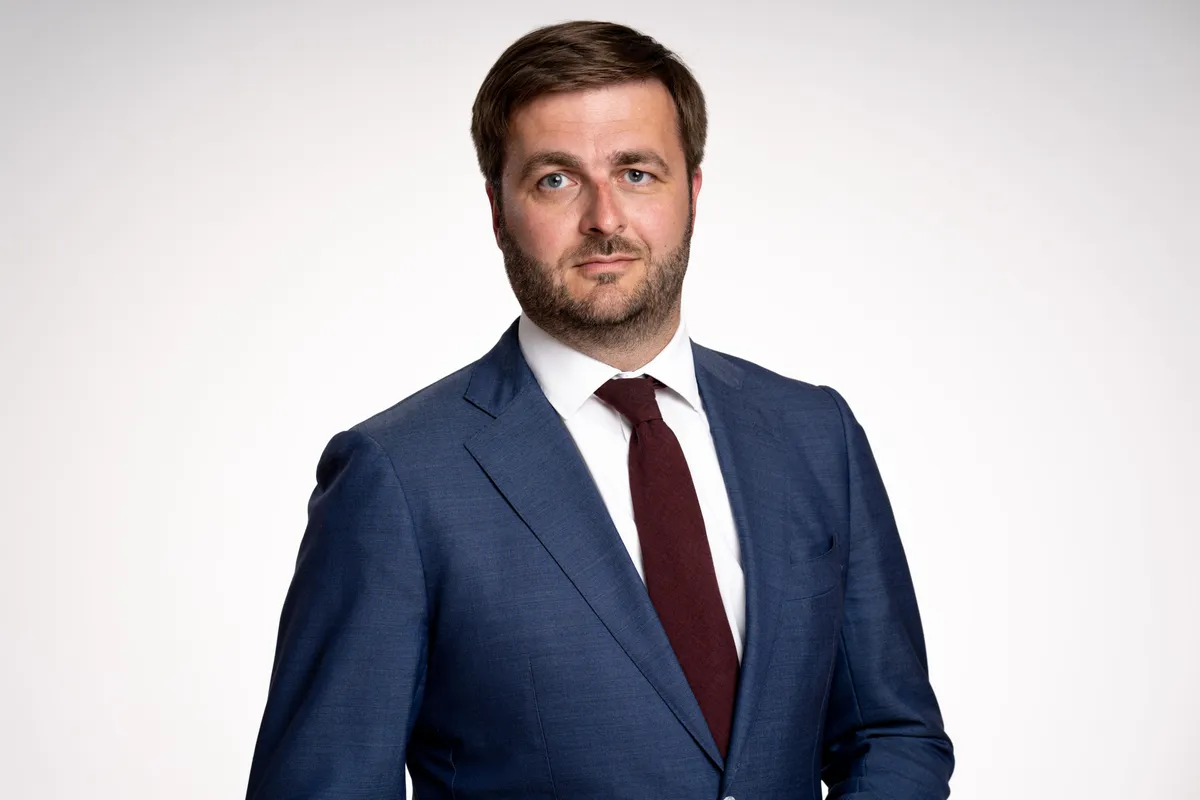
Deputy Prime Minister and Finance Minister Tomislav Ćorić commented on the latest data, calling the trend "clear and encouraging." "The difference between Croatia and the eurozone average last month was 1.4 percentage points, and this month it has fallen to 0.7 percentage points," Ćorić said at a press conference. According to Eurostat's preliminary estimate, the average annual inflation in the eurozone in July was 2.9 percent. The minister reiterated that the government's goal is for Croatian inflation to be at the eurozone average level by the first quarter of 2027, and that by then, "inflation not at the eurozone level will be spoken of as a thing of the past."
When asked about domestic drivers of inflation, Ćorić admitted that the part of services generated by private initiative cannot be influenced, but he emphasized that the government has brought administrative prices and state spending under control. He also mentioned the announced tax treatment of excessive margins, which he believes is already having an effect by its mere announcement.
Although statistics show a slowdown in inflation, the situation on the ground is different. Citizens interviewed by Dnevnik.hr say they do not feel any price reductions. Daily life, they say, is becoming increasingly expensive, with particular emphasis on rising prices in hospitality and retail. "Some stores and places where I go to eat have raised their prices," one citizen commented for Dnevnik.hr, illustrating the gap between official indicators and consumer perception.
Minister Ćorić also warned of the impossibility of projecting energy price movements. He noted that oil prices on world markets are currently about 15 percent lower than at the time of the new major escalation of the conflict in the Middle East, but the renewed escalation of the conflict at the end of July has already led to a significant increase in retail fuel prices. He also highlighted the importance of the tourist season for GDP and the price-quality ratio of the domestic tourism product.