Coolcation Changes the Rules: Will Croatia Run Out of Tourists?
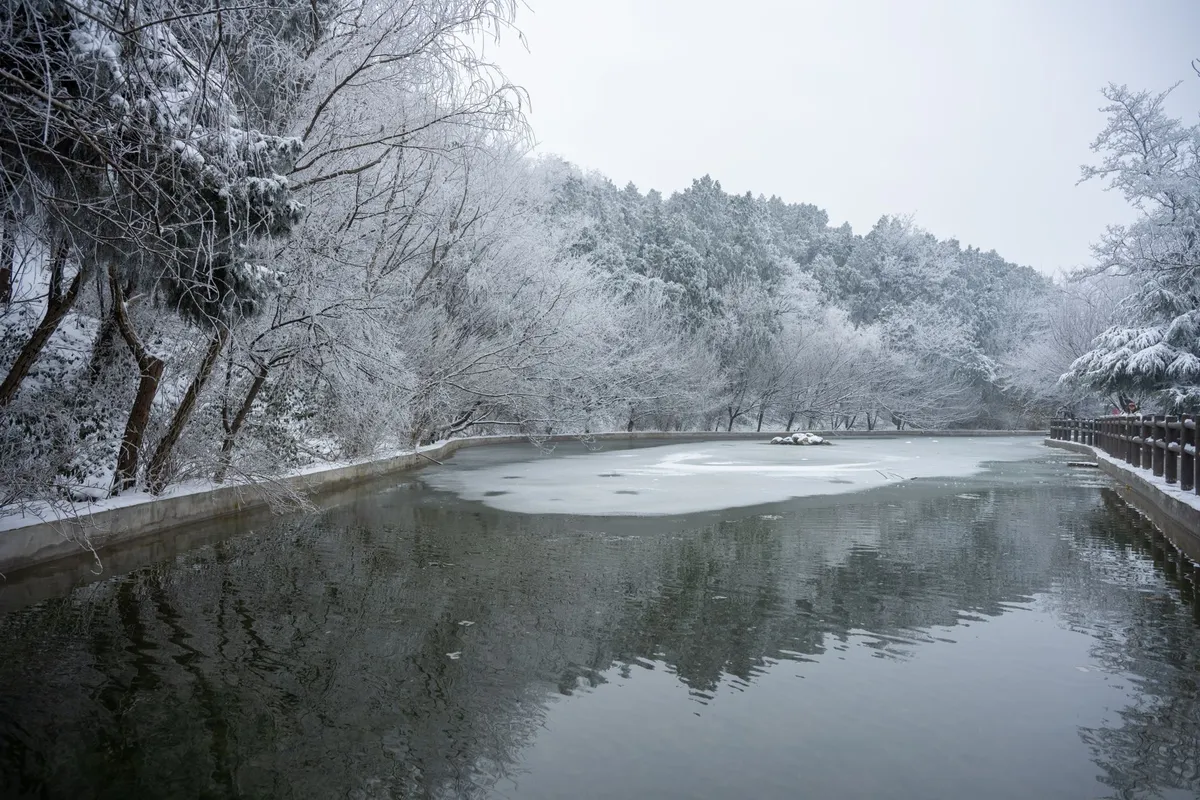
The trend of escaping the heat on vacation is becoming more pronounced, and Scandinavian and Scottish destinations are becoming serious competition for the Adriatic.
The trend of escaping the heat on vacation is becoming more pronounced, and Scandinavian and Scottish destinations are becoming serious competition for the Adriatic.

A new trend in travel has emerged that could significantly reshape the tourism map and put Croatia before a major challenge. It's the so-called "coolcation" holiday, a blend of the English words for cool and vacation, which refers to deliberately choosing summer destinations with more pleasant, lower temperatures. This phenomenon, extensively covered by Večernji list on August 12, 2026, calls into question the long-held belief that sun and warm sea are enough to attract guests.
Increasingly extreme heatwaves and scenes of scorched earth are changing how people perceive their holidays. Spending time outdoors is becoming exhausting, and high temperatures detract from the overall experience of a destination. This very factor is pushing a growing number of travelers toward Northern Europe, where summers remain mild and nature is accessible and unspoiled.
Examples of destinations that perfectly fit the "coolcation" logic include the Norwegian fjords, Stockholm with its archipelago, and Helsinki, which combines islands and sauna culture. There's also Reykjavik as a starting point for exploring Iceland, and Edinburgh, a city ideal for long walks, museum visits, and trips into the surrounding countryside. Interestingly, these destinations are increasingly visited by Croats themselves, despite the distance.
In its analysis, Večernji list emphasizes that Croatian tourism should not rely solely on natural beauty. "The future of tourism will not belong to those with the warmest sea, but to those with the most pleasant summer. Otherwise, tourists will be counted at entirely different latitudes," the article states.
This sentence encapsulates the core of the problem: while the Adriatic is traditionally marketed with its crystal-clear sea and long sunny hours, these very characteristics become a burden during the peak season. The extreme heat in July and August could deter some guests seeking an active holiday in nature, not just a refreshing dip at the beach.
Although the article does not provide specific statistics on a decline in tourist numbers in Croatia due to this trend, the message is clear: climate change is no longer an abstract threat but a reality that directly impacts one of the key pillars of the Croatian economy. Adapting to new circumstances and creating an offering that goes beyond the "sun and sea" formula is becoming an imperative.