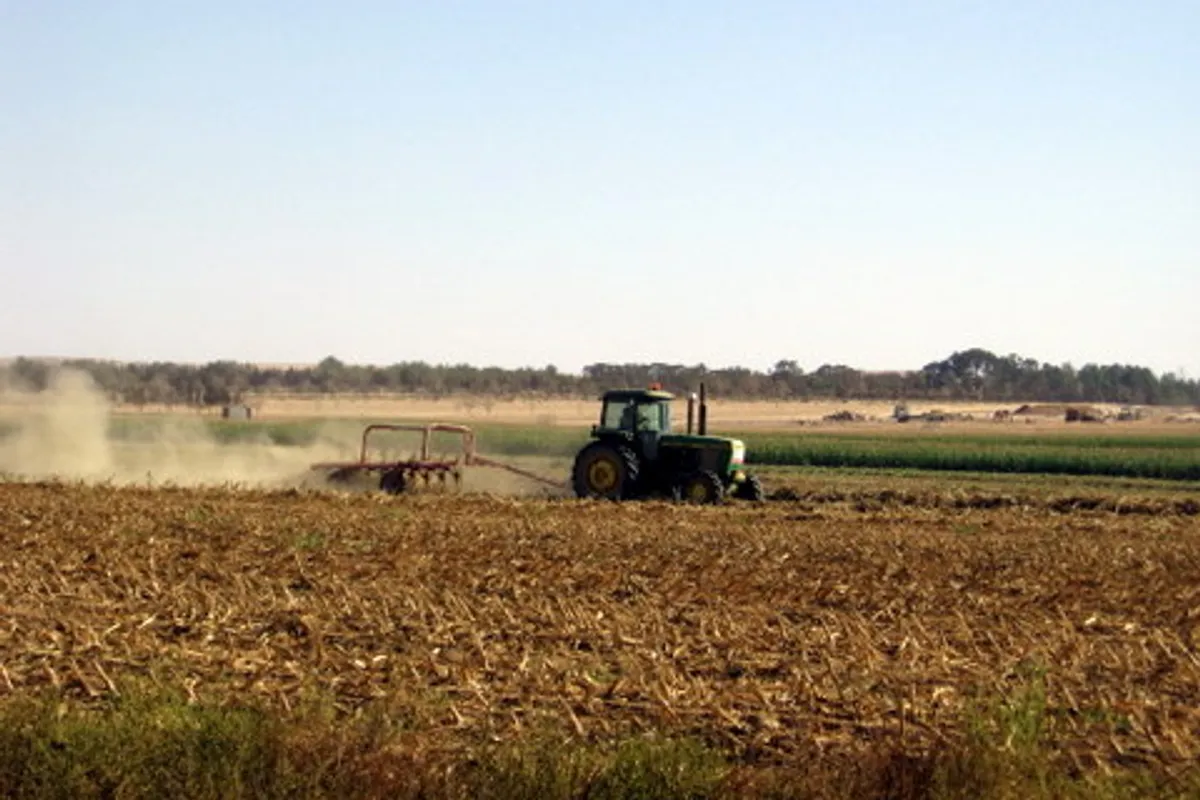
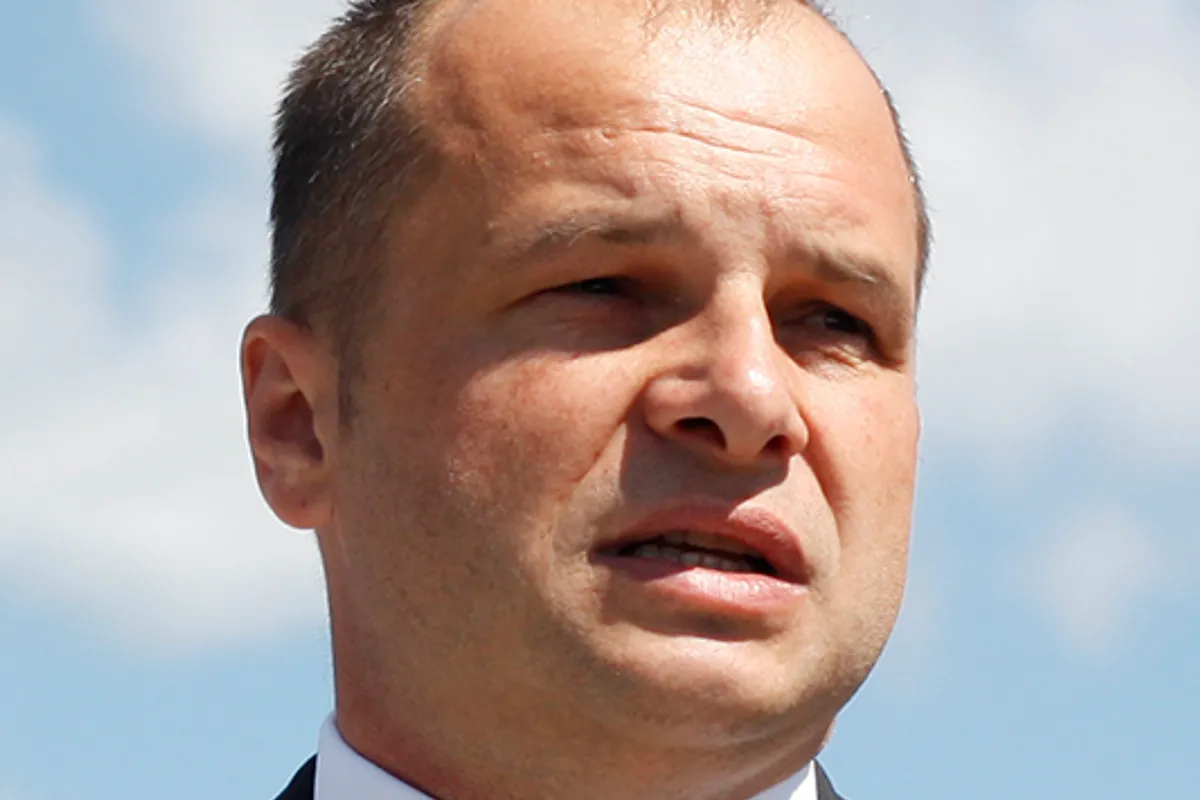
Only three percent of Croatia's agricultural land is irrigated-a devastating figure that Aleksandar Mešić, Dean of the Faculty of Agriculture in Zagreb, presented on Saturday's Dnevnik on HRT, warning that climate change is mercilessly exposing the structural weaknesses of domestic agriculture.
"The fact that we irrigate only three percent of agricultural land speaks volumes about the state of our agriculture," Mešić said.
State for Infrastructure, Farmers for Equipment
The responsibility for developing irrigation systems, the Dean believes, must be shared between the state and producers themselves-the former by providing infrastructure and access to water, and the latter by investing in modern systems. Water, as he emphasized, is no longer an unlimited resource and requires rational management, especially since Croatia-although it has enough-suffers from its highly uneven distribution throughout the year.
As one possible solution, Mešić sees the construction of reservoirs that would store water during periods of abundance. Additionally, domestic agriculture must turn to knowledge, digitalization, automation, and innovation instead of continuing to rely on traditional production methods-adapting to changed climatic circumstances is no longer a matter of choice.
We Export Grain, We Import Meat and Milk
Food self-sufficiency is becoming a key issue because Croatia, in Mešić's assessment, can no longer count on the stability of international supply chains. "We can no longer rely on food imports because we live in very uncertain times," he said.
As a textbook example of the system's illogicality, he pointed out that Croatia exports cereals while simultaneously importing meat and milk-products for which cereals are the basic raw material. European subsidies, Mešić admits, have been well used, but a large portion of those funds has not gone into strengthening the sector's competitiveness and resilience. Furthermore, the state involves experts too little in decision-making, even though experts regularly prepare analyses and proposals-which then remain unused.