Tens of Thousands of Migrants Overwhelm Ceuta
Italy Suspends Schengen with Spain, Author Borislav Ristić Claims Coordinated Action with Moroccan Support
Italy Suspends Schengen with Spain, Author Borislav Ristić Claims Coordinated Action with Moroccan Support
The summer wave of migrants that overwhelmed the Spanish enclave of Ceuta on African soil has triggered a political earthquake in Europe. Tens of thousands of migrants illegally landed in the Spanish city on the coast of Africa, with Kamenjar citing a figure of as many as 60,000. This discrepancy in estimates further underscores the chaotic nature of the situation that followed.
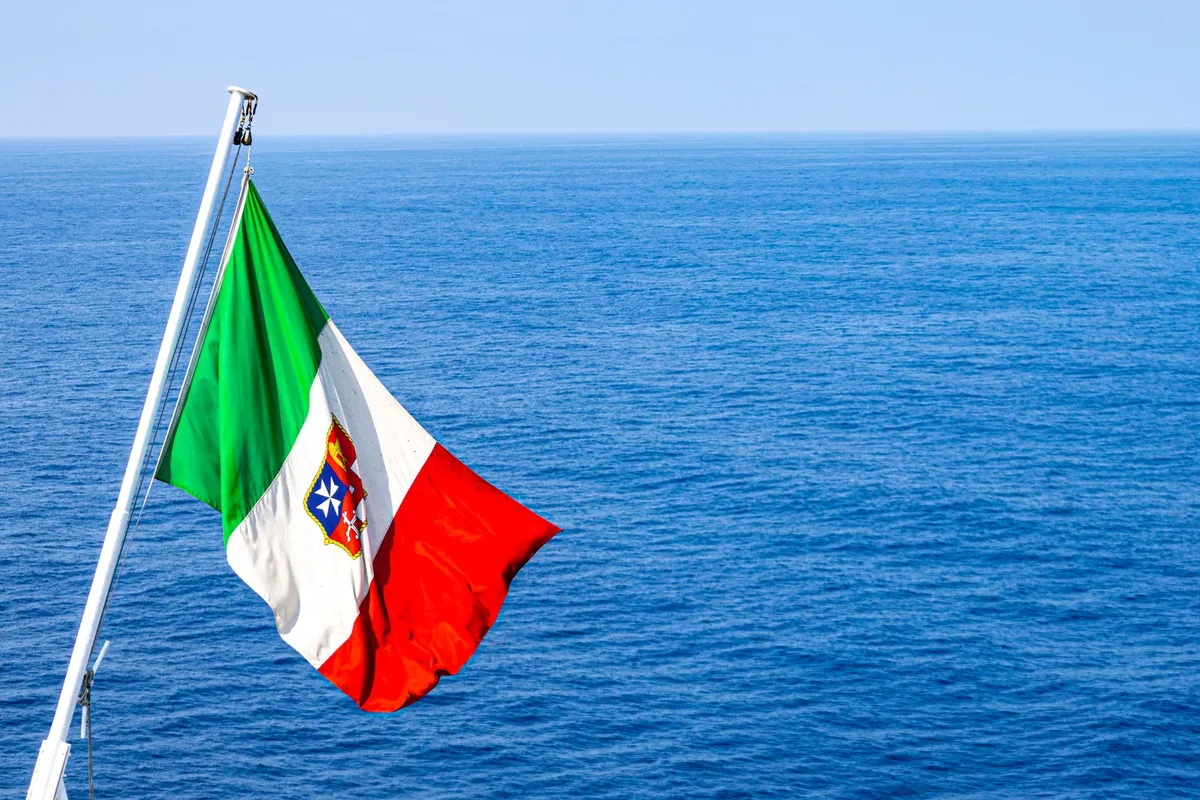
Reactions from European governments were immediate and sharp. Italian Prime Minister Giorgia Meloni suspended the Schengen Agreement with Spain and urgently convened a meeting of EU interior ministers. Most European governments criticized Pedro Sánchez's administration for what they described as overly lenient migration policies, but the Spanish prime minister responded with anger at colleagues who sent criticism instead of support.
In a commentary for Večernji list and Kamenjar, author Borislav Ristić describes the situation in far more serious terms than the usual migration crisis. "This is clearly an invasion of foreign territory, the territory of a European state, and by no means 'spontaneous' or 'humanitarian,' but rather with the support of the state from which the migrants come," Ristić wrote, referring to Morocco.
He adds that videos have been posted on social media showing migrants arriving at the border in trucks under the supervision of Moroccan police. This is not the first such incident, in May 2021, a similar, albeit smaller, action occurred when the Moroccan government reacted in the same way to Spain granting asylum to a Moroccan dissident.
Ristić raises the question of the motives behind the latest crisis, given that this time there was no obvious dispute between Morocco and Spain. The text draws parallels with recent political pressures on Sánchez's government. Spain, in fact, has been particularly criticized by the US and Israel for opposing the war against Iran. US President Donald Trump has issued numerous threats of sanctions over the past few months.
"However strong the indications, it is unlikely that anyone in the EU will point the finger at that side," Ristić notes, suggesting that European leaders prefer to shift blame onto Spain rather than confront the broader geopolitical implications.
Ristić concludes his commentary with a stark forecast: "Europe, led by its brave elite, could soon change its name to, say, Saharo-EU, for demographic, not climatic reasons." This statement encapsulates the fears of part of the public that the continent is incapable of protecting its borders and managing migration flows.
As the meeting of EU interior ministers continues, the question remains whether European states will manage to agree on a joint response to this crisis or continue with unilateral moves like Italy's suspension of Schengen, which further deepens divisions within the Union.