Wildfire Smoke Kills 1.5 Million People Annually
New research reveals the scale of a health catastrophe caused by wildfire smoke, which is particularly dangerous for pregnant women, as climate change undoes decades of clean air efforts.
New research reveals the scale of a health catastrophe caused by wildfire smoke, which is particularly dangerous for pregnant women, as climate change undoes decades of clean air efforts.
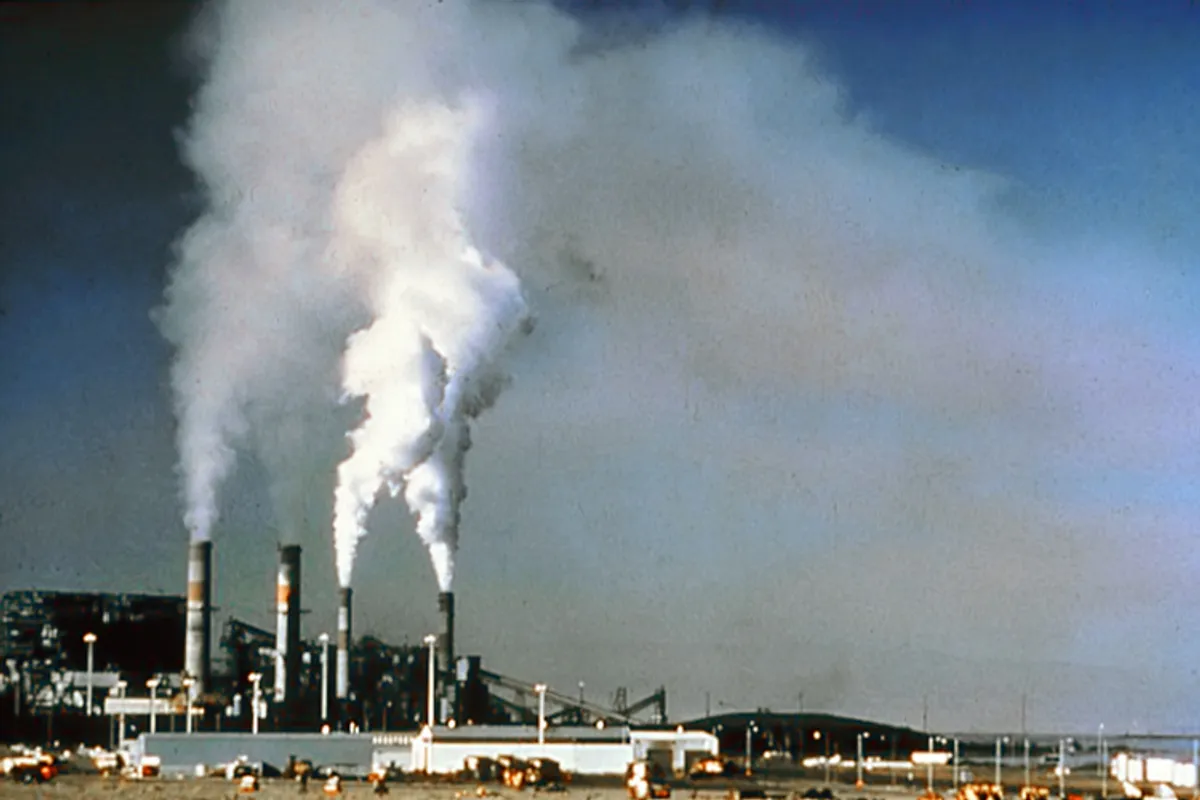
As flames devour forests from Canada to Greece, the true scale of the disaster lies not in the fire itself, but in an invisible enemy that travels thousands of kilometers, smoke. According to a study published in The Lancet in 2024, wildfire smoke causes 1.5 million deaths worldwide each year, more than floods, storms, and heatwaves combined.
The alarming figures don't stop there. Canada's 2023 wildfires alone caused 82,000 premature deaths, research in Nature showed, with winds carrying a third of that deadly burden to the United States and a quarter to Europe. According to a March study, about 10% of harmful PM2.5 particles in the United Kingdom come from biomass burned abroad.
Scientists warn that wildfire smoke is far more dangerous than typical air pollution from factories or cars. A 2021 study in Nature Communications found that PM2.5 from wildfire smoke is up to 10 times more harmful in the short term. These fine particles, which penetrate deep into the lungs and enter the bloodstream, contain more organic compounds that trigger inflammation and a higher concentration of ultra-fine particles that reach the deepest parts of the lungs.
To cope with heatwaves and smoke simultaneously, people are often forced to choose between two evils. Closing windows protects against smoke, but without air conditioning, it can lead to overheating, which further endangers health, especially for the elderly and chronically ill.
While smoke doesn't discriminate, new research published on August 8, 2026, in Frontiers in Environmental Health sheds light on a particularly vulnerable group, pregnant women. The study, which tracked exposure to PM2.5 particles from wildfires in the U.S. from 2003 to 2019, found an alarming trend: prenatal exposure to wildfire smoke more than doubled over 17 years, especially in western U.S. states.
As much as 65% of days when air quality exceeded safe levels for pregnancy could be attributed to wildfire smoke. "Increased fire activity is systematically erasing air quality gains for pregnant women from reductions in human-caused emissions, disproportionately burdening low-income, rural, and Indigenous communities, with the potential to further undermine progress as fire activity intensifies," the study's researchers stated.
Erin O'Connor, head of the emergency department at University Health Network in Toronto, witnessed unprecedented scenes last month when the sky over Canada's largest city turned orange. Toronto briefly had the worst air quality of any major city in the world. "It really hit you in the face as soon as you stepped outside," O'Connor said. "As the days went on, it was everywhere. You could even smell that burning smell indoors."
She added: "I've never looked outside and seen the sky orange in the middle of the day." At the emergency department, she noticed an increase in patients with allergies and difficulty breathing. On Wednesday, Portland in the U.S. took over from Toronto as having the worst air quality.
More than a thousand kilometers away, in Duluth, Minnesota, flower growers Jae Jeon and Dan McClelland experienced their worst day on July 16, 2026. Their community was among 12,000 people exposed to an average PM2.5 level of 541 μg/m³, the highest in all of North America. "It felt like working in a war zone. When I went outside, I couldn't breathe, so I had to wear a mask, but it was still painful. After just a few minutes, you'd start getting a headache," Jeon recounted.
That same day, smoke engulfed vast areas of the continent. At least 36 million people in North America breathed "very unhealthy" concentrations of PM2.5 exceeding 125.5 μg/m³, and 10 million people were exposed to levels above 250 μg/m³. For comparison, New Delhi, known for its pollution, exceeded that level only eight times last year.
Although winds this time spared major European cities from the worst concentrations, the numbers remain alarming. Bordeaux recorded a peak of 342 μg/m³ on July 24, 2026, and a day later, Limoges, 180 kilometers away, hit 486 μg/m³. Fires came dangerously close to Madrid, and southern France burned for weeks.
Climate change dramatically increases the likelihood of such events. Rapid analyses showed that climate change made fire weather in Spain 20 times more likely last month, and twice as likely in Canada and France.
Stephanie Cleland, a wildfire health effects scientist at Simon Fraser University, expressed concern about the recurrence of extreme events: "As soon as we have huge populated centers exposed, we'll see these increases. I'd be concerned that it's only been three years since this last happened, and now it's repeating."
As authorities in Europe and North America battle current fires, scientists are calling for urgent expansion of public health guidelines for vulnerable groups, including better smoke forecasting, earlier health warnings, and ensuring access to clean indoor air during major fire episodes. Research points to an uncomfortable paradox for policymakers: decades of investment in reducing anthropogenic air pollution are being undermined by climate change itself.