Bottlenose Dolphin the Only Permanent Whale of the Adriatic
Around ten whale species occasionally visit the Croatian part of the Adriatic, but only one is a permanent resident. The Ministry has issued guidelines for boaters and swimmers.
Around ten whale species occasionally visit the Croatian part of the Adriatic, but only one is a permanent resident. The Ministry has issued guidelines for boaters and swimmers.
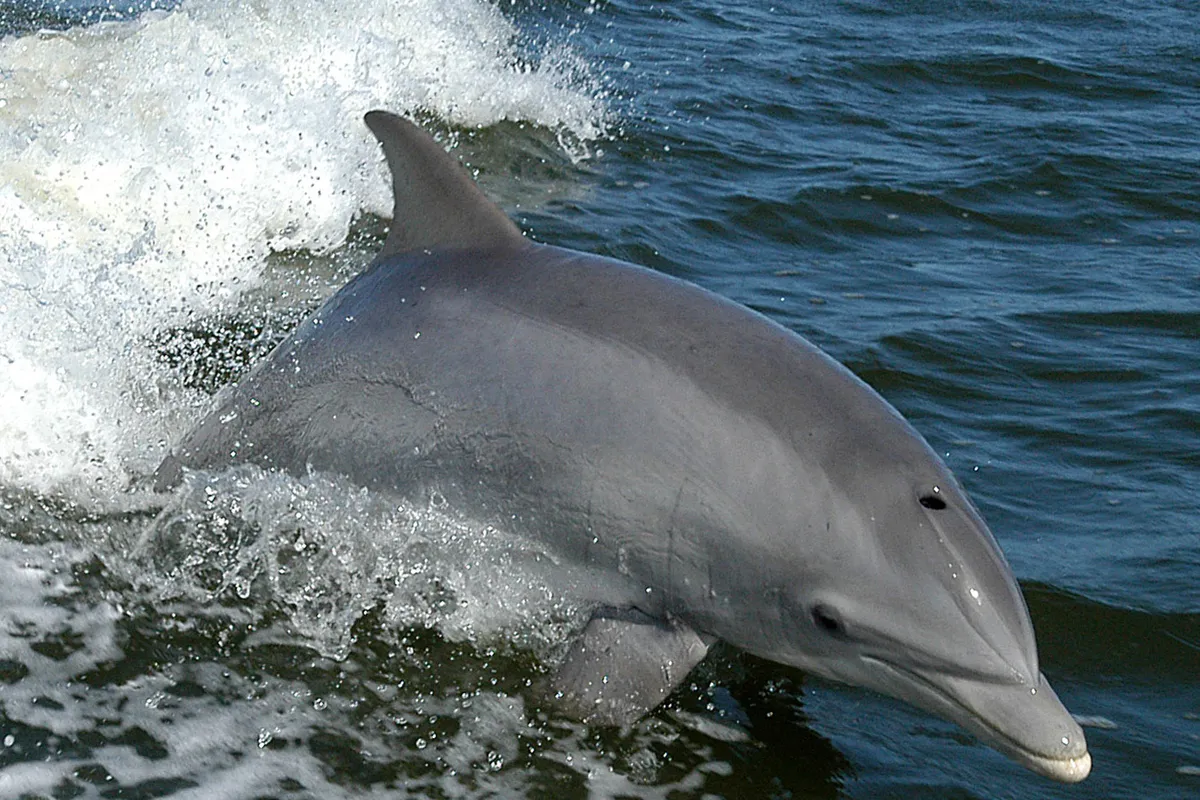
The Adriatic Sea is home to a large number of protected marine species, and among its most fascinating residents are certainly whales. Although around ten species can be encountered in the territorial waters of the Republic of Croatia, only the bottlenose dolphin (Tursiops truncatus) permanently inhabits the entire Adriatic, according to data from the Blue World Institute.
According to the same source, there are currently around 10,000 bottlenose dolphins living in the Adriatic. Adult individuals of this species in the world's oceans reach lengths between 1.9 and 4 meters and weigh between 100 and 500 kilograms, but in the Adriatic they are somewhat more modest in size, typically growing up to 3 meters and weighing about 200 kilograms.
In addition to the bottlenose dolphin, other species occasionally appear in Croatian waters. The striped dolphin, Risso's dolphin, and Cuvier's beaked whale are present exclusively in the southern Adriatic. Sperm whales only occasionally visit, and large whales seasonally visit the southern and central Adriatic.
The white-beaked dolphin, the common dolphin, and the humpback whale are rare guests, while the short-beaked common dolphin, once a resident of the entire Adriatic, is now considered regionally extinct, with only occasional sightings of individual specimens.
The Ministry of Environmental Protection and Green Transition has published guidelines for behavior during encounters with marine mammals, aiming to reduce disturbance to the animals and prevent unwanted incidents during the summer season when encounters are most frequent.
Vessels may approach the animals only at speeds lower than 5 knots (9 km/h), following parallel to their direction of movement without sudden changes in course or speed. Within a 100-meter radius of the animal, only one vessel is allowed, and within a 200-meter radius, a maximum of three. Staying in the vicinity is limited to 30 minutes.
The Ministry specifically warns: "If you notice signs of distress in the animals or see mothers with calves, immediately leave the encounter area by changing course, without accelerating." Additionally, swimming and diving with the animals, feeding them, and attempting to touch them are prohibited.
Bottlenose dolphins primarily feed on bottom-dwelling fish and small squid, which often puts them in direct competition with fishermen. Their curiosity further endangers them, entanglement in fishing gear, especially gillnets, is the most common cause of premature death for members of this species.
The Blue World Institute warns that sea pollution, overfishing, and habitat destruction are leading to a decline in bottlenose dolphin numbers and limiting their habitat availability. The Ministry therefore appeals to citizens not to throw garbage into the sea or leave waste on the shores, as marine animals may accidentally ingest it, often with fatal consequences.