Drone Hits US LNG Tanker in Egypt, Fire on Two Vessels
Attack occurred at Damietta port on July 29, 2026, no injuries reported, gas transfer operations suspended. No one has claimed responsibility so far.
Attack occurred at Damietta port on July 29, 2026, no injuries reported, gas transfer operations suspended. No one has claimed responsibility so far.

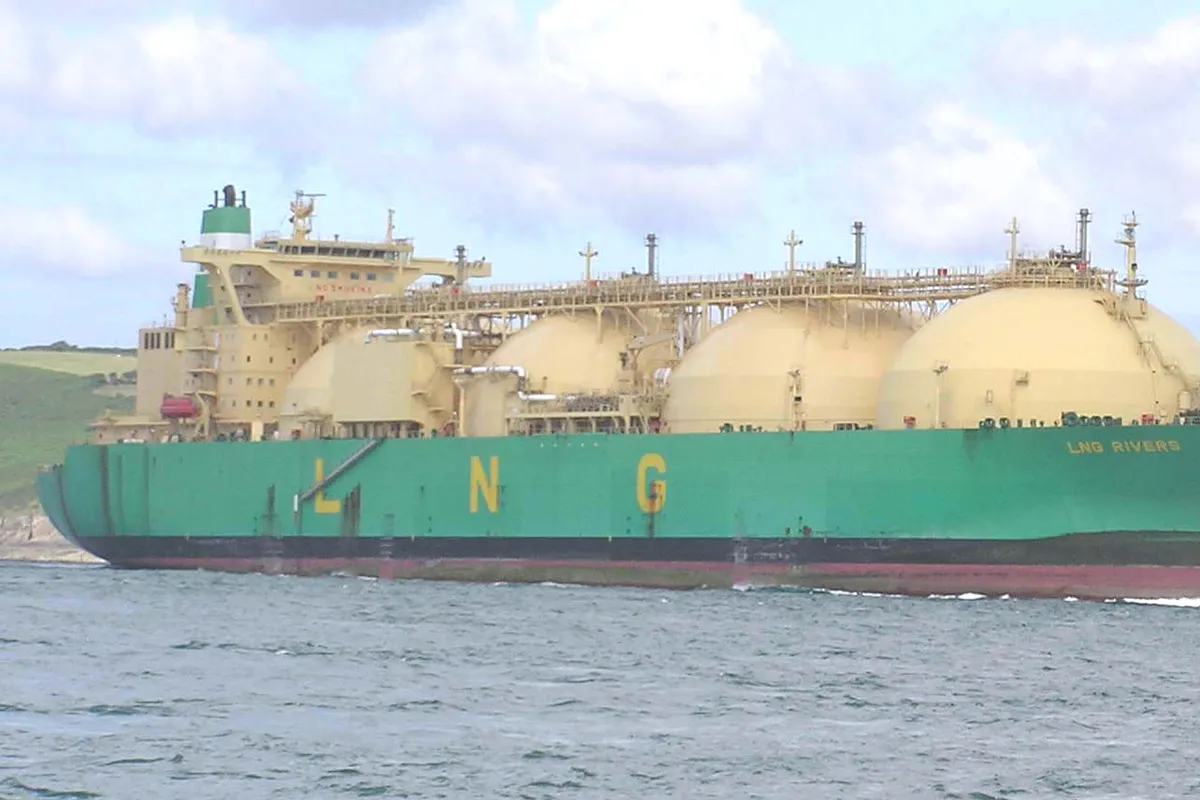
In Egypt's Mediterranean port of Damietta, a drone struck the US liquefied natural gas (LNG) storage tanker Energos Winter on Wednesday, July 29, 2026, registered under the flag of the Marshall Islands, confirmed by the Egyptian government and maritime security firm Ambrey. The explosion sparked a fire that spread to another vessel, Gaslog Salem, maritime services reported.
According to British maritime firm Inchcape Shipping Services, the explosion occurred while cargo was being unloaded at the LNG terminal. The company stated in a release:
"The explosion occurred at the LNG terminal in Egypt's Damietta port while LNG cargo was being unloaded. Emergency services are responding to the incident. All loading operations at the terminal have been suspended until..."Two anonymous Egyptian security sources confirmed to Reuters that the cause of the explosion was a drone attack.
The fire was quickly brought under control, and both vessels were evacuated and moved outside the port. Egypt's Ministry of Petroleum reported that no one was injured, and Norwegian public broadcaster NRK reports no damage to port infrastructure.
Damietta port is located near the Suez Canal, a key waterway connecting Europe with the Red Sea. According to Brazilian portal G1 Globo, the incident renewed fears that the Middle East conflict, with the US and Iran as opposing sides, is spreading to other countries in the region. The Houthi group, operating in Yemen and linked to Iran, has attacked Saudi vessels in the Red Sea in recent days, but as of the latest update of this news, no one has claimed responsibility for the attack on Damietta.
The drone attack on energy infrastructure in the Mediterranean further raises concerns about the safety of maritime traffic and the stability of global energy supply chains. Although there are no direct consequences for Croatia, any disruption in LNG supply can indirectly affect the European energy market, on whose imports Croatia also depends.