Comrade Končar, forgive me: the fascists are back!
Mladen Kevo's column fiercely criticizes the authorities for desecrating the Šubićevac memorial park and warns of the surge of violence and Ustaša ideology in Croatian society.
Mladen Kevo's column fiercely criticizes the authorities for desecrating the Šubićevac memorial park and warns of the surge of violence and Ustaša ideology in Croatian society.
On this day, as Croatia marks the anniversary of the Operation Storm military-police action, Budica.info columnist Mladen Kevo published a scathing piece titled "Comrade Končar, forgive me: the fascists are back!" In it, he draws dark parallels between the anti-fascist struggle of World War II and today's reality, accusing the ruling elite of fostering an atmosphere in which Ustaša ideas and brutal violence are glorified.
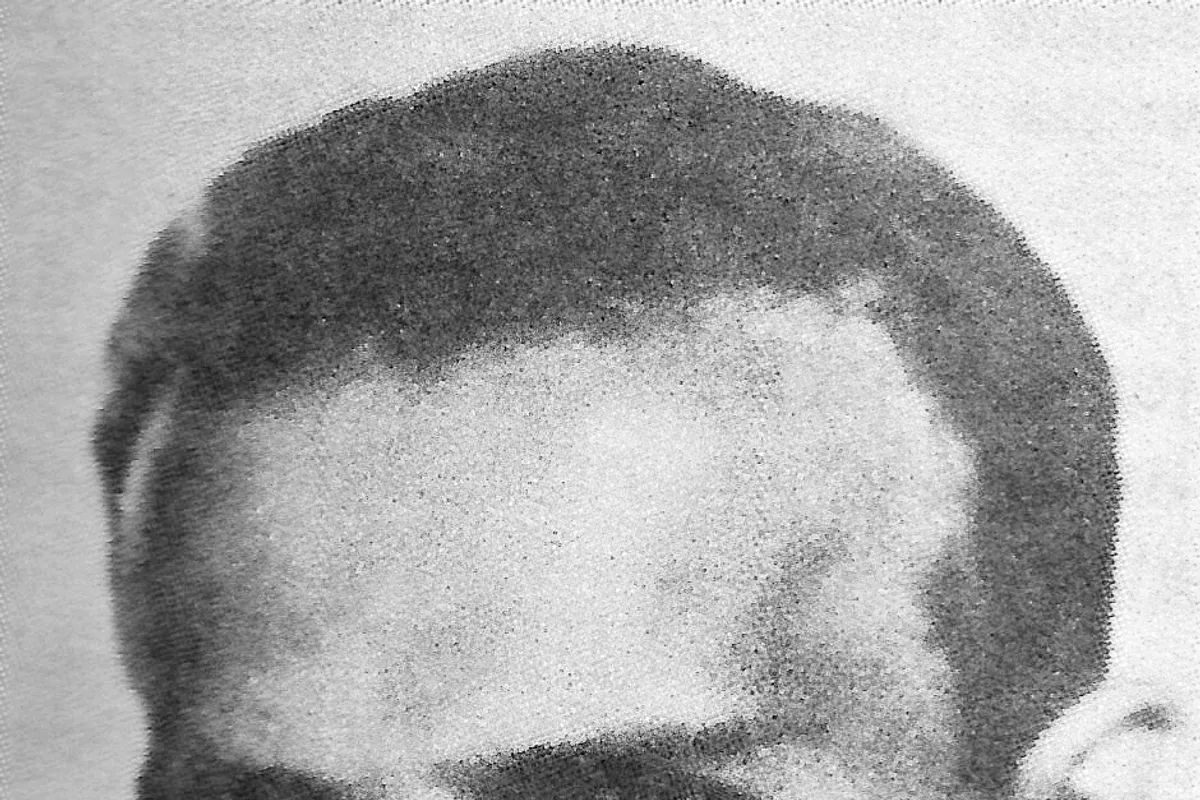
Kevo opens his column by recalling the life and heroic death of national hero Rade Končar. The political secretary of the Communist Party of Croatia was arrested by Italian fascists on November 17, 1941, and transferred to the infamous Šibenik prison, through which more than 6,300 people passed until Italy's capitulation. A special court sentenced him to death, and an attempt by Dalmatian partisans to exchange him for captured fascist officer Antonio Vivarelli failed because the officer was killed.
Rade Končar was executed on May 22, 1942, at Šubićevac in Šibenik, along with 25 other anti-fascists. Among them were Feđa Borožan, Ignacijo Brajević, Božo, Jozo, and Paško Dumanić, Milivoj Jelaska, Života Katunalić, Dušan Kažimir, Ivo Kovačić, Jozo Kuzmić, Vojko Matošić, Stjepan Polić, Ante Poljičak, Božo Puljas, Nikola Purišić, Ante Radica, Jozo Ružić, Josip, Petar, and Vicko Siriščević, Nikola Trebotić, Ante Vrdoljak, Karlo Vušković, Duje Žegarac, and Nikola Žitko. Facing death, Končar shouted to his executioners: "Cowards, are you afraid to shoot at our chests, are you afraid of our gaze?"
It was at that very spot, in the Šubićevac Memorial Park where tribute is paid to these anti-fascists every year, that the incident which prompted Kevo to write his column occurred. According to his account, on the eve of the Operation Storm celebration in Knin, portable toilets were placed in the park for a concert by Marko Perković Thompson. Although the mayor allegedly had them removed, Kevo claims that people subsequently "relieved themselves, both small and large," at the location. He describes this act as a shameful desecration of a site where people gave their lives for the ideals of freedom.
The author draws historical parallels, recalling how Alexander the Great, after defeating the Persian king Darius III, covered his body with his own cloak and paid him honors. He contrasts this act of reverence toward a fallen enemy with today's Croatia, where, as he puts it, "urinating on the grave or monument of a political rival has become a patriotic ritual."
The column spares no one, not even the highest state officials. Kevo openly calls out Prime Minister Andrej Plenković and Interior Minister Davor Božinović, implying that the police tipped off members of the "Skeine Ustaše" to which restaurant in Knin the President of the Republic would visit, so they could sing "He doesn't cry woe is me, but cheers 'Za dom spremni'" to him.
He directs particular criticism at Tomica Medved and his statement that "the Homeland War is the FOUNDATION of Croatia." Kevo retorts that Croatia has existed for centuries and that without anti-fascism, there would be no continuity of Croatian statehood nor the international recognition that enabled the defense of borders in 1991. In this context, he poses a question he considers increasingly legitimate: "And where were you and yours in 1941?"
The concluding part of the column focuses on the escalation of violence in the country. Kevo cites concrete examples: the night before last, in Vodnjan, six men beat two people with batons, one of whom suffered serious injuries, all in front of three children. This morning in Osijek, a 43-year-old football referee was beaten in the middle of the street and rushed to the Osijek University Hospital. "Violence has become a fundamental feature of Croatian society," writes Kevo, describing the country as "a den for savages to vent their brutality."
The column ends with a bitter message: "Thank you, homeland" and an apology to the national hero: "Brko, Comrade Končar: forgive me for the desecration of that sacred place where you and your 25 comrades, Croats and Serbs, were executed-for the Ideals of Freedom."
* The views expressed in columns and comments are the personal views of the author and do not necessarily reflect the views of the Budica.info editorial team.