The Entrepreneurs' Voice Association (UGP) on Wednesday demanded that the level of oversight, accountability, and timely action that is applied to entrepreneurs on a daily basis be consistently applied to the state as well. In its statement dated August 12, 2026, it warns of a deep disparity between the control of the private sector and the failures in public systems that are only revealed once they escalate into multi-million-euro scandals.
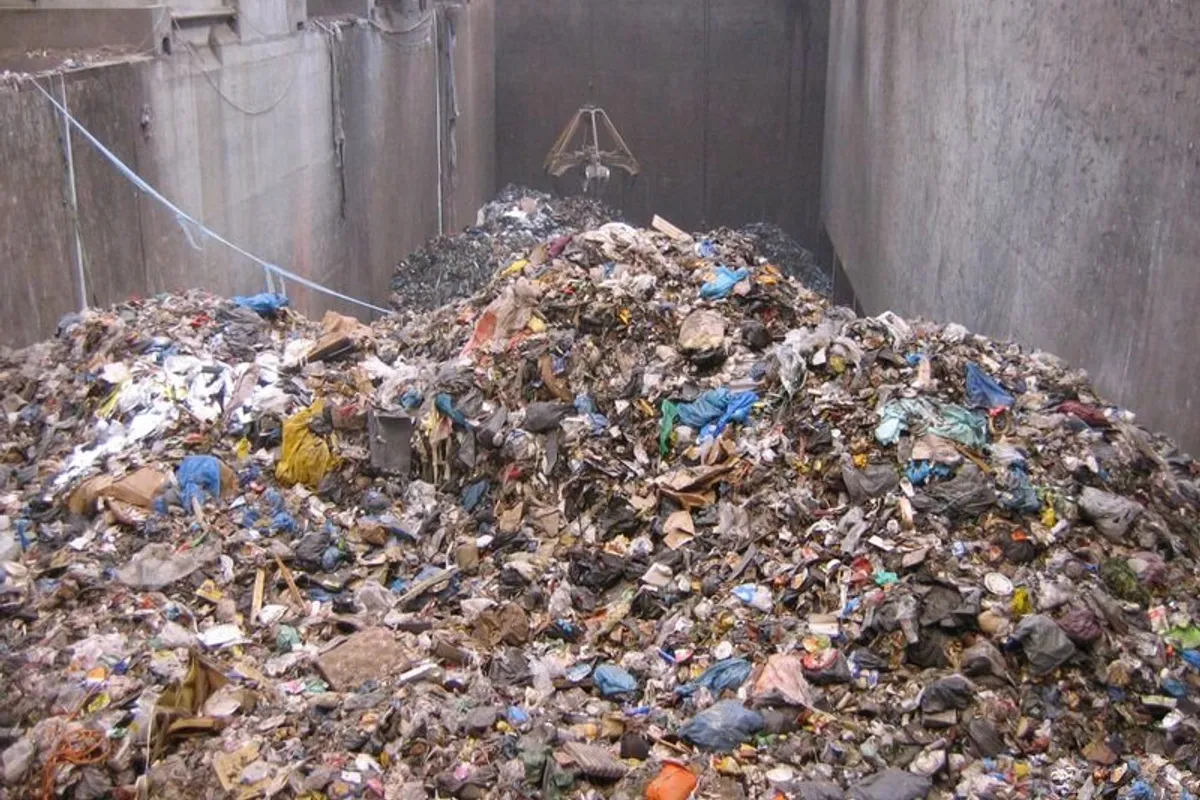
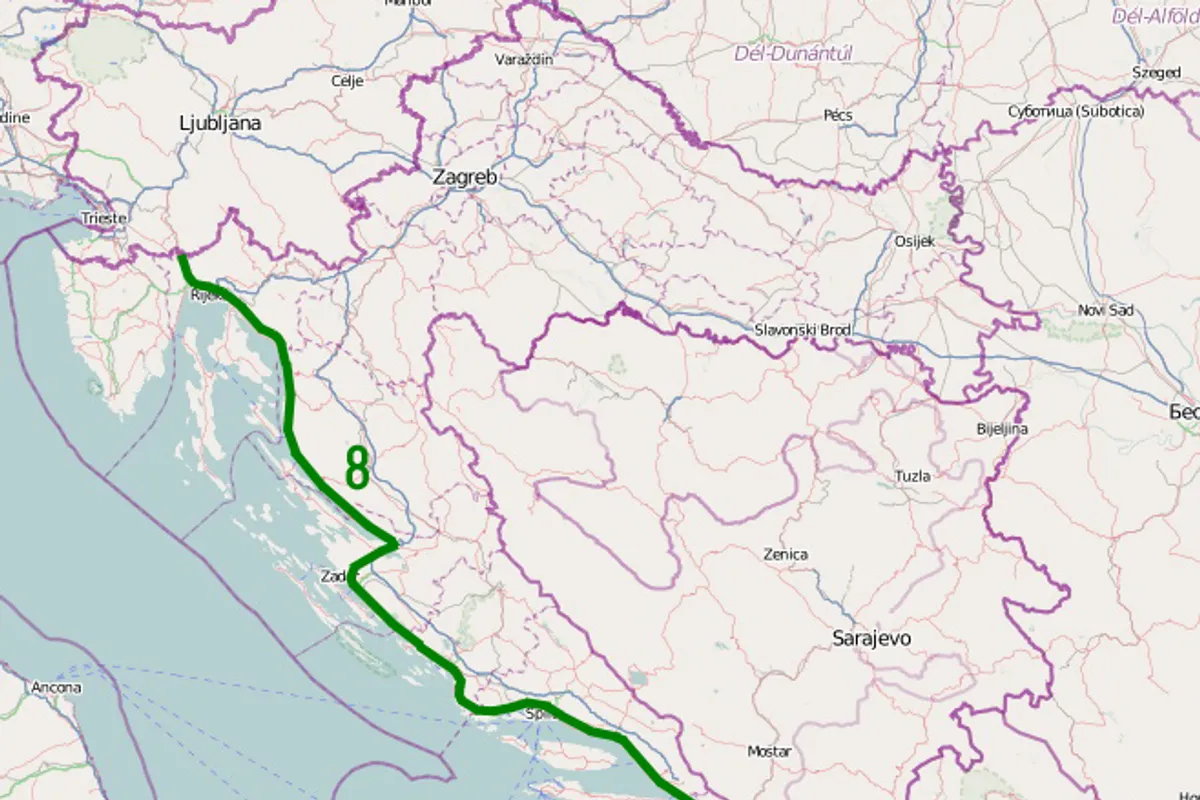
As a concrete example, they cite cases of illegally dumped waste in Lika and other parts of Croatia. These events, UGP points out, reopen a key question: why does the state monitor the private sector down to the last receipt, while serious problems in the functioning of public systems can persist for a long time, with the cost of remediation and consequences ultimately borne by citizens and the economy?
Fiscalization for a Café, but for the State?
UGP reminds that entrepreneurs and tradespeople live under constant pressure from fiscalization, tax audits, inspections, record-keeping, deadlines, and fines. For a mistake, as they note, there is often no understanding or transition period.
"If the state can track the receipt of a small café in real time, it must be equally capable of seriously overseeing waste management, public procurement, concessions, state and local enterprises, and the spending of public money. Not after the damage occurs, but before," the Association states.
UGP also calls for the same standard of accountability to be applied when adopting regulations that directly affect business operations. They believe that Croatia too often introduces a new levy, obligation, or administrative rule first, and only begins serious discussion about the consequences once problems arise.
Impact Assessments Before Decisions, Not After-the-Fact Justification
The key demand concerns impact assessments, which, according to UGP, must precede decisions rather than serve as post-hoc justification for already-made policies.
"Before every new burden, we need clear answers on how much it will cost, who it will affect, what impact it will have on prices, investments, employment, and the survival of small businesses, and whether there is a simpler and more effective solution," the statement reads.
UGP concludes that the state constantly tells entrepreneurs they must be responsible, predictable, and follow the rules, and that it is high time the state started demanding the same of itself. "When a small entrepreneur makes a mistake, they get a fine. When the system makes a mistake, too often we all get the bill," UGP emphasizes.