The Ebola epidemic ravaging eastern Congo began in February 2026, months before it was officially declared on May 15, the World Health Organization (WHO) announced on Monday. Genetic sequencing has confirmed the earlier start of the outbreak, which explains why containment efforts have been lagging from the very beginning.
WHO's Regional Director for Africa, Mohamed Yakub Janabi, revealed at a press conference that some of the initial cases were misdiagnosed as malaria and typhoid fever. "So, we are chasing the virus, and the virus is ahead of us," Janabi vividly described the situation on the ground.
Rare Strain with No Vaccine or Treatment
This outbreak differs from most previous ones because it is caused by the rare Bundibugyo virus, for which there are no approved vaccines or specific treatments. Additional delays in the response occurred because early testing focused on the more common type of Ebola, turning precious time into an advantage for the virus.
According to the latest government data, 4,200 cases of Ebola have been confirmed, with more than 1,900 deaths recorded. This outbreak is killing faster than any previous one, including the 2014-2016 epidemic, which is considered the worst in history with over 11,000 deaths out of at least 28,000 infections. That outbreak took about eight months to reach around 1,000 deaths, while the current one has hit that mark significantly faster.
Virus Faster Than Health Teams
WHO chief Tedros Adhanom Ghebreyesus warned last week that Ebola is spreading faster than efforts to contain it. After a meeting with officials in the capital, Kinshasa, he wrote on social media platform X that the number of new cases in some hotspots is doubling. Health authorities report that between 60 and 70 percent of new infections are detected outside the circle of contacts already being monitored, describing the spread as "alarming" in speed.
The response to the crisis is hampered by a range of factors on the ground. Some health workers are on strike because they have not received their salaries, and Wiza Bondele, a member of the prevention and control team in Ituri province, and his colleagues face daily threats from rebel groups, distrust from local communities, and misinformation that Ebola is not real. Teams work on remote, unpaved roads with a chronic shortage of protective equipment.
Compounding Challenges in a Conflict Zone
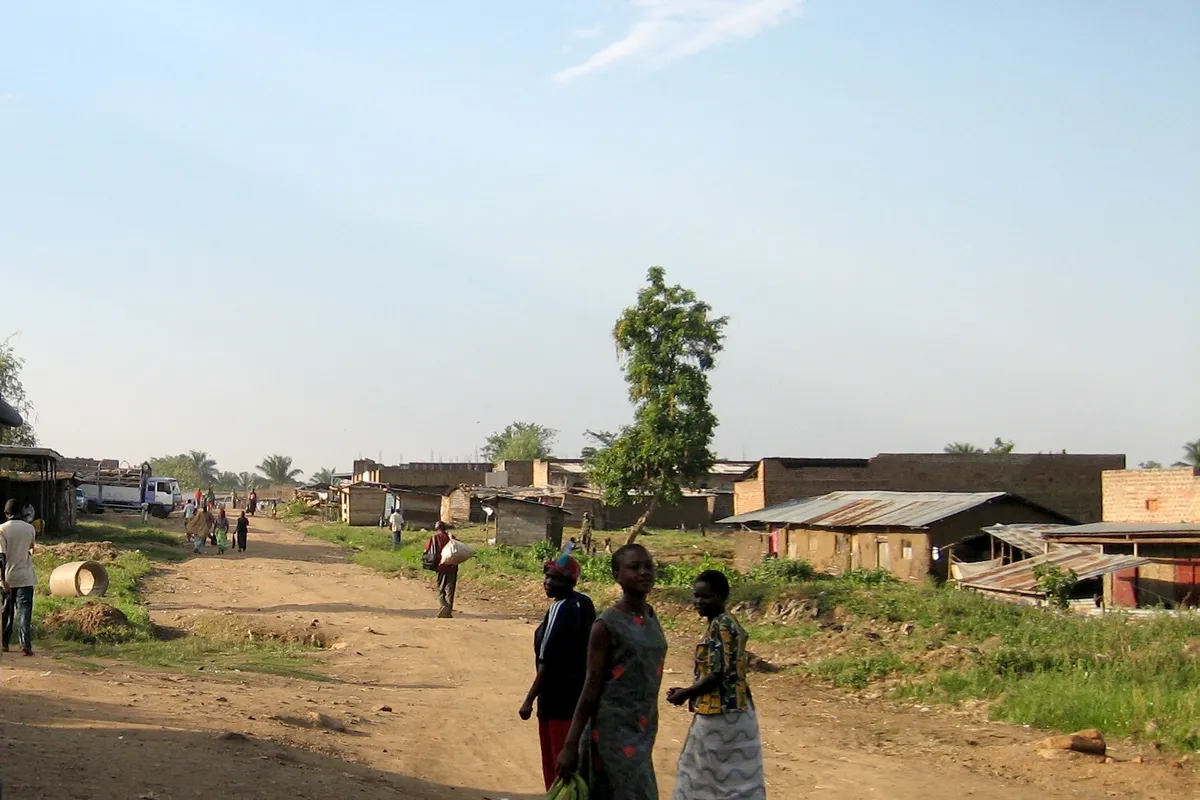
The affected area, bordering South Sudan, Uganda, and Rwanda, has faced limited access to healthcare for years due to a prolonged conflict. Displaced populations struggle to access reliable sources of water for basic hygiene, further facilitating the spread of the disease. Some pregnant women and other patients avoid health centers out of fear, deepening the chain of transmission.