Ebola in Congo Threatens to Surpass Deadliest Outbreak
WHO chief warns that the current outbreak in eastern Congo, caused by the rare Bundibugyo virus for which there is no vaccine, could exceed the scale of the West African catastrophe.
WHO chief warns that the current outbreak in eastern Congo, caused by the rare Bundibugyo virus for which there is no vaccine, could exceed the scale of the West African catastrophe.
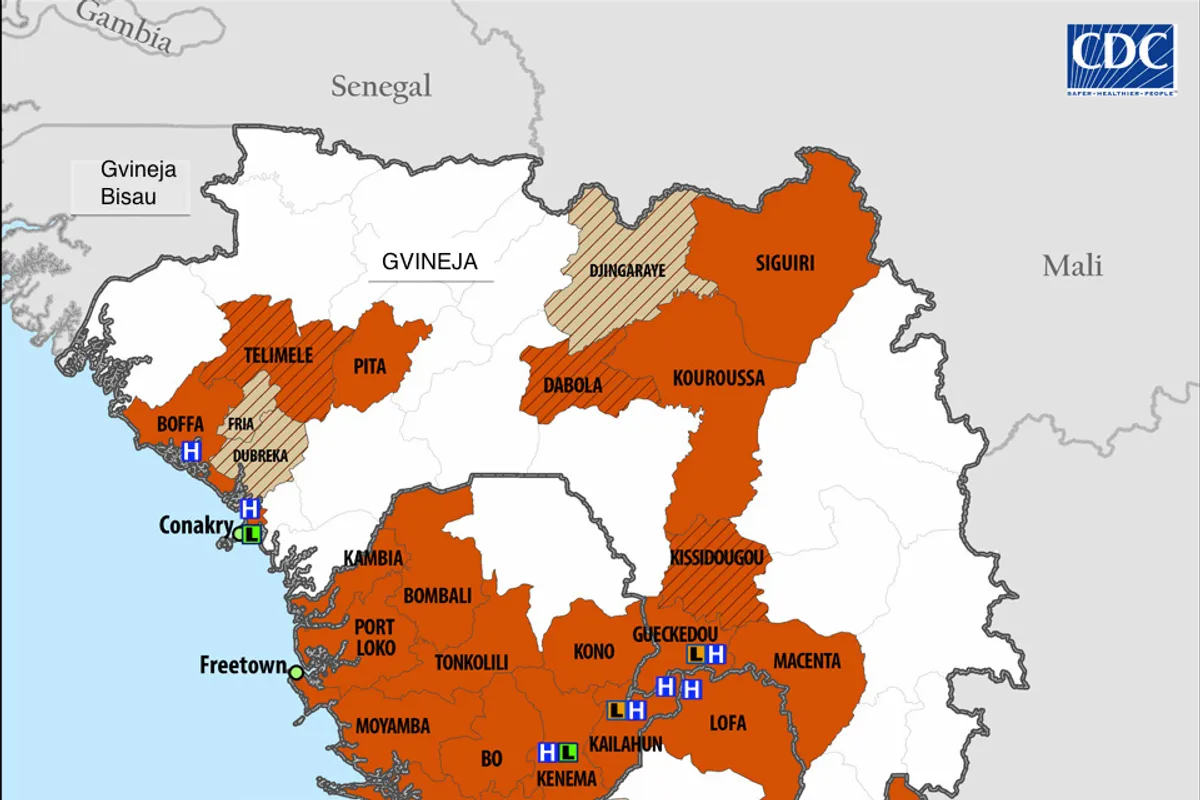
The Ebola outbreak in the Democratic Republic of Congo is spreading at such a pace that it could surpass the deadliest outbreak of the disease in history, the one that ravaged West Africa from 2014 to 2016 and claimed more than 11,000 lives. This warning was issued on Wednesday, August 12, 2026, from Geneva by the head of the World Health Organization (WHO), Tedros Adhanom Ghebreyesus.
"At the current pace, it is on track to surpass the West African Ebola outbreak of 2014-2016," Tedros told reporters, according to AP. That outbreak recorded more than 28,000 cases of infection.
The current outbreak in eastern Congo, which experts consider the fastest-growing in history, has so far claimed more than 2,000 lives, with over 4,300 recorded cases, according to AP. The Turkish agency Anadolu reports slightly more precise figures from the World Health Organization: 4,449 cases and 2,061 deaths across five affected provinces.
Although the outbreak was officially declared on May 15, 2026, health authorities now say that genome sequencing has shown the actual start was months earlier, back in February. This means the virus was spreading unnoticed before it was even confirmed.
What makes this outbreak particularly dangerous is the fact that it is caused by the rare Bundibugyo virus, for which there are no approved vaccines or specific treatments. This is a key difference from most previous Ebola outbreaks, where vaccines were available and used to curb the spread.
Experts warn that the outbreak is spreading faster than efforts to track and control it in a remote part of eastern Congo that faces ongoing conflicts, near the borders with South Sudan, Uganda, and Rwanda. Most new cases and deaths are still being recorded in communities beyond the reach of health workers.
The tragedy also has a human face. On Tuesday, August 11, a funeral was held in the town of Bunia in Ituri province for Jeannine Katusabe, an Ebola victim. People dressed in protective gear lowered the coffin with her remains into the grave, captured by AP photographer Dieudonne Dirole.
The outbreak continues to spread in a region already burdened by armed conflicts, which further complicates access to the sick and contact tracing of infected individuals. Without an available vaccine for the Bundibugyo strain, the health system faces an almost impossible task of containing the disease under far-from-ideal circumstances.