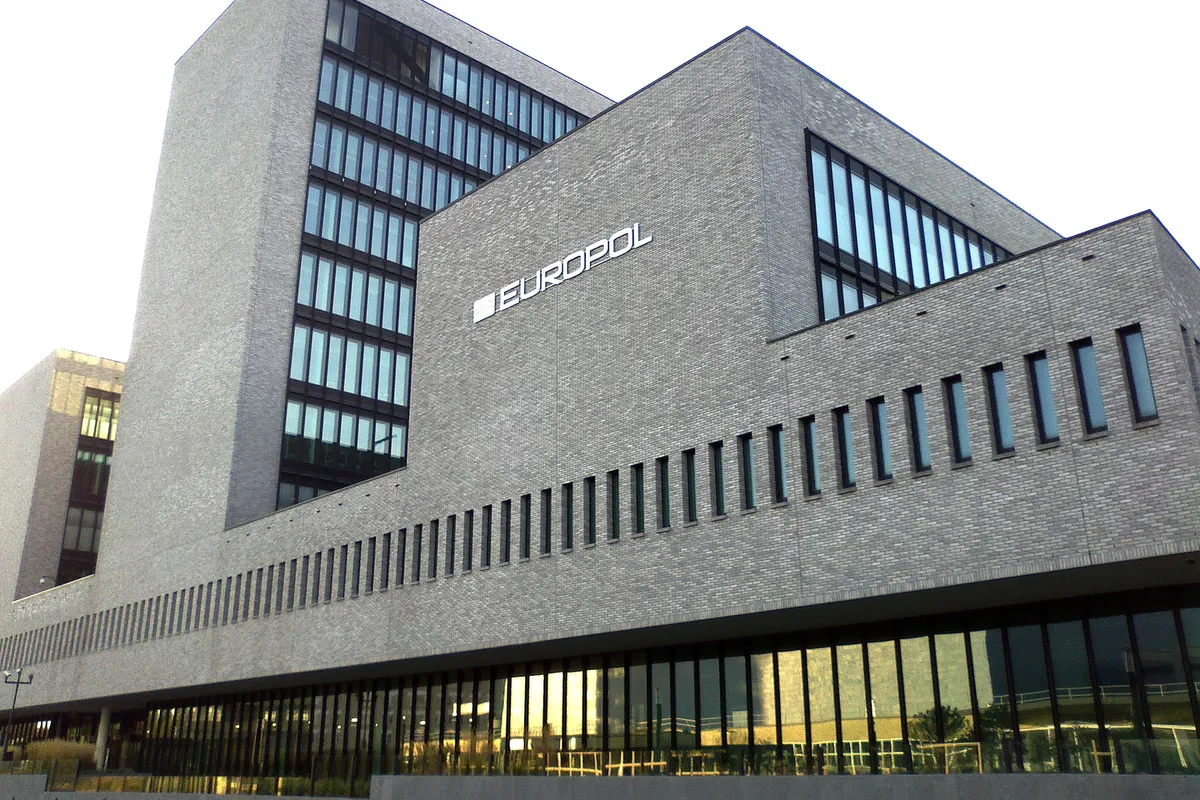
As early as February 2025, Europol issued a statement on the Croatian hazardous waste case that significantly shifts the perspective on the affair. The European Union Agency for Law Enforcement Cooperation did not treat the incident as a local illegal dumping site or an isolated case involving a single company, but rather as the activity of an international criminal network specializing in environmental crime.
Arrests and High-Value Targets
According to Europol, 13 people were arrested on February 13, 2025. Two of the main suspects from Croatia were designated by the agency as high-value targets. They are suspected of coordinating the illegal import of hazardous waste from Italy, Slovenia, and Germany into Croatian territory.
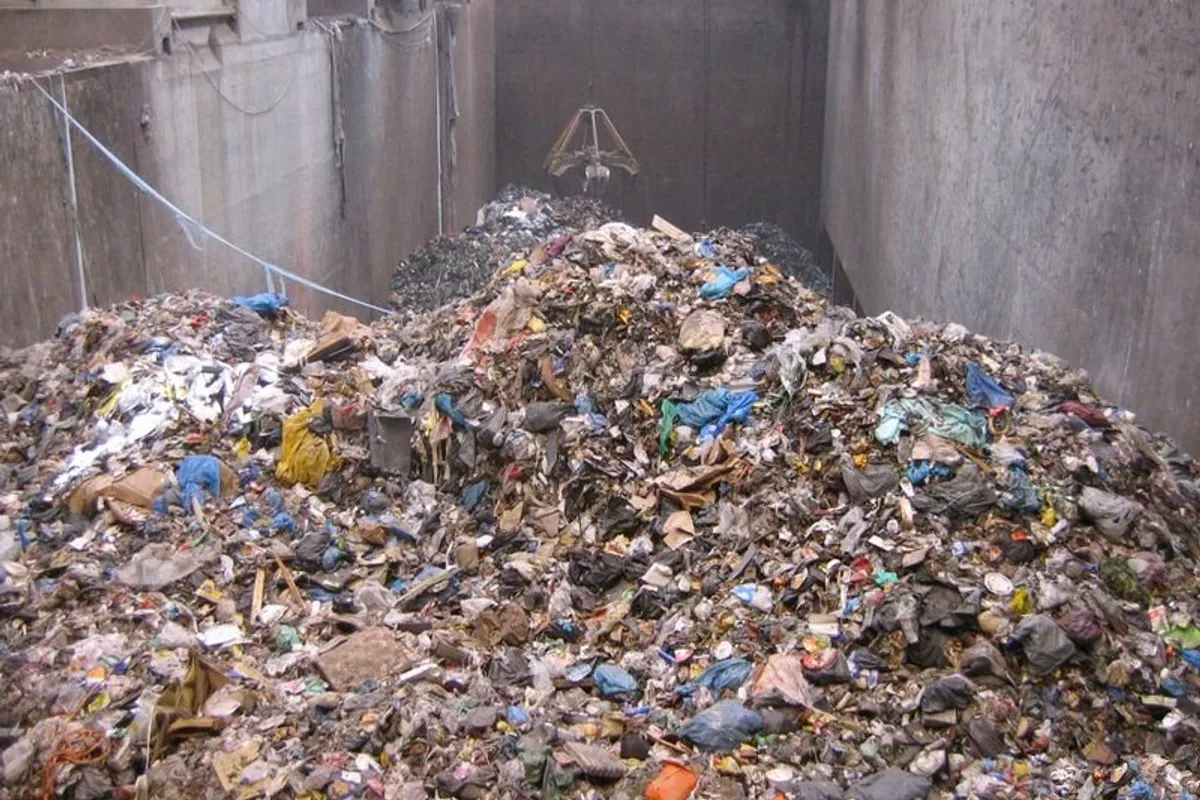
According to investigative data at the time, at least 35,000 tons of waste had been buried or disposed of at a minimum of three different locations. The total estimated illegal profit amounted to at least four million euros. In the context of the affair, Gospić is also mentioned as one of the locations where waste was buried.
The ongoing USKOK investigation has further shed light on the scale and methods. As reported by Index, investigators determined that the suspects had prior knowledge of upcoming inspections and attempted to conceal waste at the site of the former PPK Velebit industrial complex in Gospić. In early April 2024, workers were intensively moving waste ahead of an announced inspection. In intercepted conversations, they mentioned that the inspection was due in two weeks, and on the orders of Josip Šincek, waste was moved to a deeper pit and covered with gravel and soil. One driver said in a phone call that he had been driving shredded plastic around the site for three days, which other workers were spreading and covering, and that there were about 100,000 tons of plastic at the location. "If the inspection came, what a fine that would be, they'd be screwed," the driver allegedly commented. After a truck carrying hazardous waste from Italy was stopped at the Pasjak border crossing, Šincek organized the digging of a larger pit to relocate previously imported waste.
Legitimate Companies as Criminal Infrastructure
The most important part of Europol's statement is not the amount of waste, but the way the network operated. The agency claims that the network used the infrastructure of legitimate businesses for its activities. Legal companies from Italy, transporters, and other legitimate firms in Italy and Croatia were hired for transport and disposal.
In the documents, the waste was falsely labeled as plastic waste intended for recycling, but laboratory tests determined that it was legally classified as hazardous waste. Croatian authorities also suspected that the network was illegally burying medical waste originating from Croatian companies.
The affair is not limited to Gospić. The USKOK investigation also covers at least three other locations, in Varaždin, Benkovačko Selo, and Senj. According to information published so far, investigators believe this was a well-organized and profitable illegal waste management system involving a number of companies and individuals from Croatia, Slovenia, and Italy. At the center of the operation is a company based in Varaždin.
A Chain Reaching from Producers to Illegal Disposal
Europol describes the entire chain: waste producers or owners, intermediaries, legitimate companies, transporters, documentation, cross-border transport, and finally illegal disposal. This pattern is characteristic of organized crime in the waste sector.
In its comprehensive assessment of environmental crime, the agency highlighted that most such schemes involve an element of organized crime, often concealed behind fully legal business structures. Criminals use waste management companies, transporters, and other legal entities, with document fraud, exploitation of regulatory differences between countries, and corruption among the main methods mentioned.
A Broader European Problem and Croatian Challenges
Europol warns that criminal networks are increasingly shifting waste from Western Europe to Central and Eastern Europe, precisely because illegal disposal can yield high profits while the risk of detection and penalties is often relatively low.
Interestingly, this Europol framework is rarely mentioned in Croatian public discourse. The debate tends to focus on individual names and locations, while significantly less attention is paid to the cross-border criminal network, the legitimate companies that served as infrastructure, the false documentation, and the tens of thousands of tons of waste that entered Croatia from multiple countries.
The problem is compounded by the fact that Croatia lacks the capacity to remediate the waste from Gospić. The Prime Minister confirmed that there is no suitable location or facility for processing this type of waste, and the Environmental Protection and Energy Efficiency Fund has contacted around 70 companies across Europe to find a solution. The biggest challenge is the approximately 32,000 tons of waste buried at the former PPK Velebit site, which could pose a significant threat to the environment and human health. This case clearly highlights the need for a better and more transparent waste management system, and Croatia ranks at the bottom of the EU in the Environmental Performance Index (EPI).
If Europol's description is accurate, then the question is not just about who buried waste in Gospić or elsewhere. The key questions are who produced this waste, who collected it, who sold it or paid for its disposal, which companies transported it, who issued the documentation, and how such an international chain could operate for years within a legitimate business system.