European Seas at Record High: Mediterranean Warms by 2°C
Scientists warn that marine heatwaves could permanently alter ecosystems that coastal communities depend on, with effects felt on land as well.
Scientists warn that marine heatwaves could permanently alter ecosystems that coastal communities depend on, with effects felt on land as well.
Human influence on the climate is the main culprit behind record-high sea temperatures across Europe, according to the World Weather Attribution (WWA) scientific network, which analyzes the link between global warming and extreme weather events. In a report released on Wednesday, researchers highlight serious threats to marine ecosystems and coastal communities.
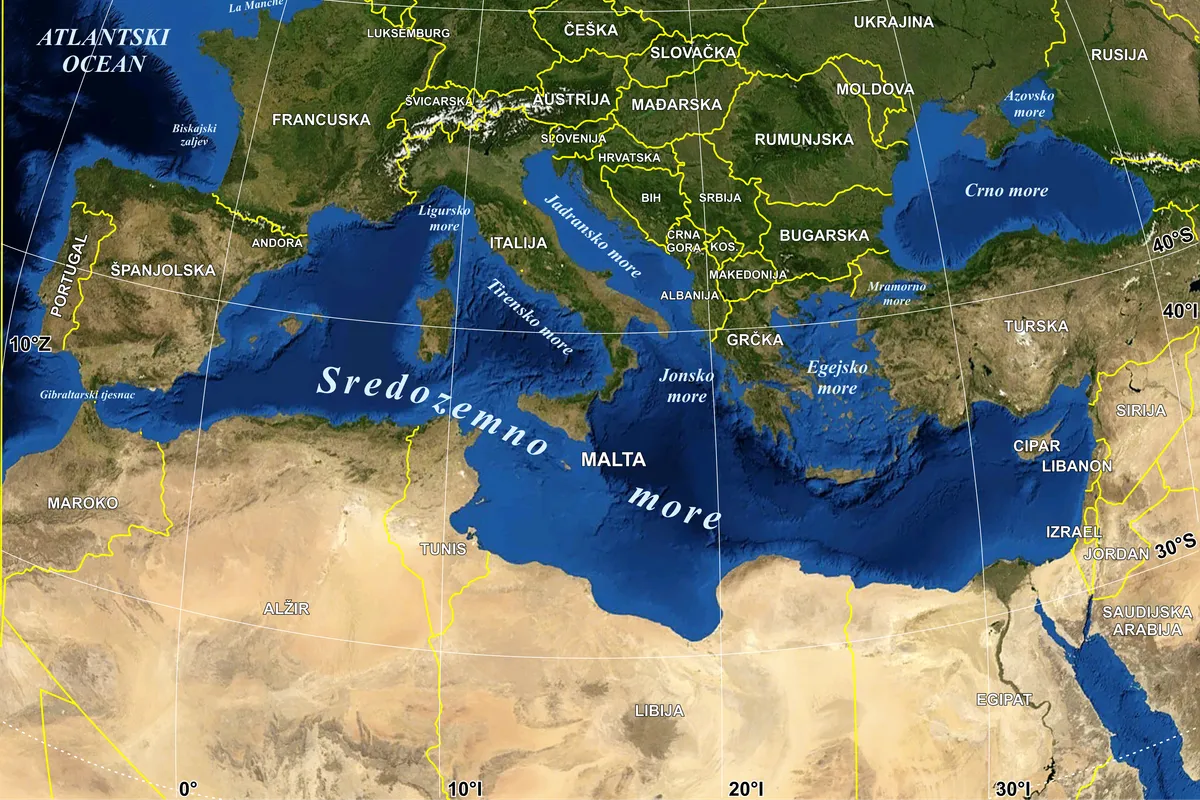
The average temperature of the Mediterranean Sea in July reached 27°C (81°F), the highest recorded value for that month since measurements began. In late July, a buoy near Mallorca measured as high as 33°C. The WWA analysis shows that human-induced climate change added approximately 2°C of warming to the Mediterranean, 1.4°C to the Bay of Biscay and the western coast of the Iberian Peninsula, and 1.3°C around Ireland and the western coast of the United Kingdom.
"This has the potential to completely reshape the ecosystems that coastal communities rely on for food and income, and to trigger damaging extreme weather on land as well," said Claire Bergin, a climate scientist at Maynooth University in Ireland and co-author of the study.
According to the WWA analysis, the peak sea temperatures recorded this year in the eastern and western Mediterranean, as well as along the Bay of Biscay and the Iberian coast, would have been "practically impossible" without human-induced climate change. In the Celtic Sea, off the coasts of Britain and Ireland, the most extreme temperatures observed would be expected roughly once a century in a world without human influence on the climate.
Warmer seas increase humidity and nighttime temperatures in coastal areas and can fuel powerful storms later in the year. Greenhouse gas emissions, mainly from burning fossil fuels, have raised the planet's average temperature to about 1.4°C above pre-industrial levels, according to the World Meteorological Organization.
Sea temperature spikes can cause mass die-offs of species such as corals and disrupt food supplies for birds and mammals, with cascading effects through food chains. John Bruno, a marine ecologist at the University of North Carolina, said some species are moving north in search of cooler waters, but not all can adapt. "We are rapidly approaching the absolute biological limits of adaptation for many species," he warned.
According to the WWA analysis, about 90% of the Bay of Biscay and 80% of the western Mediterranean experienced marine heatwaves this year. Without global warming, that figure would be closer to 40%. The difference clearly shows how much climate change has intensified the severity and frequency of these events.
In addition to temperatures in some areas being more than six degrees Celsius above normal, the effects are already being noticed. Fishermen in the southwest of England have been recording a sharp increase in octopus numbers since 2025, a species typically found in warmer waters around North Africa. This is just one indicator of how marine species are moving north in search of cooler habitats, and experts warn that warmer oceans could also trigger stronger storms, such as the deadly floods that hit Spain's Valencia region in 2024.