Europe's Rivers at Historic Lows
The Rhine, Danube, and Po are drying up, threatening transport, ecosystems, and drinking water supplies. The consequences of the drought are also felt in Croatia, where long-submerged ships have resurfaced.
The Rhine, Danube, and Po are drying up, threatening transport, ecosystems, and drinking water supplies. The consequences of the drought are also felt in Croatia, where long-submerged ships have resurfaced.
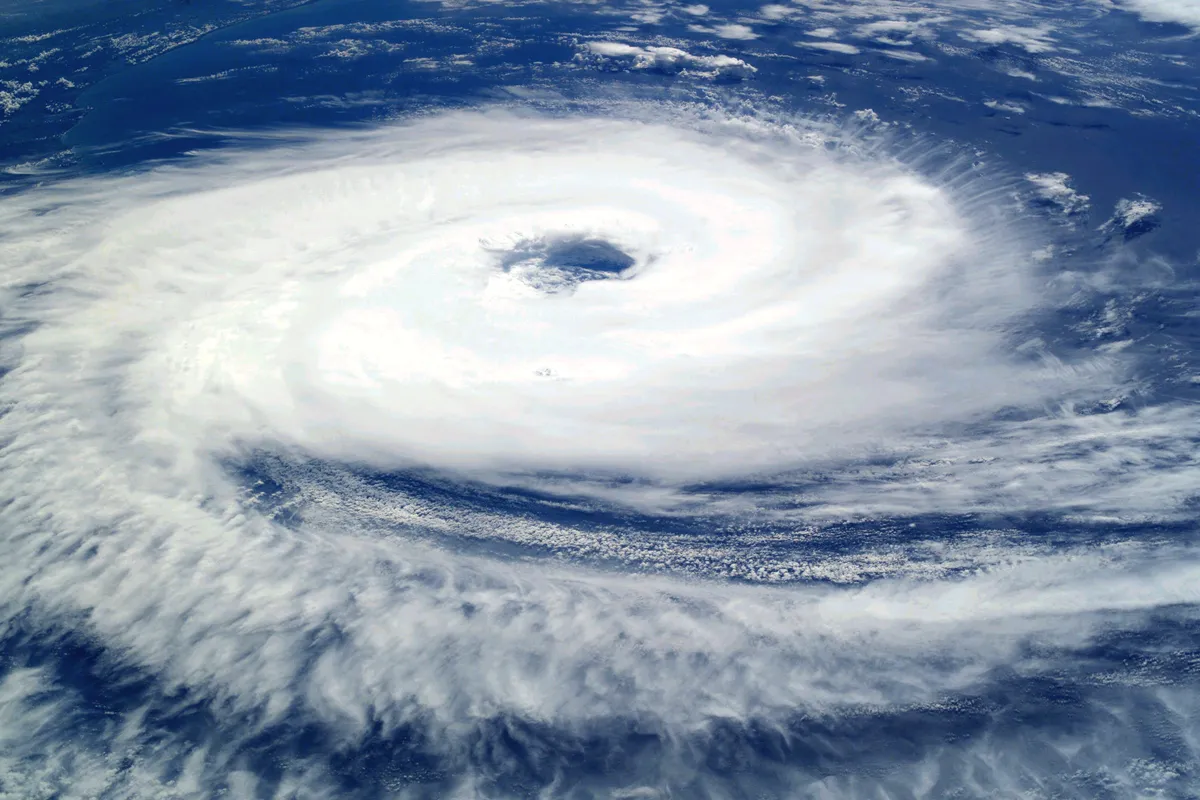
Following an intense heatwave in June and devastating wildfires in southern France and Spain, Europe is facing a new escalation of the climate crisis. Rivers across the continent, including key waterways such as the Rhine, Danube, and Po, have fallen to historic lows, revealing the scale of a threat that extends far beyond agriculture and water supply.
In the German cities of Cologne and Düsseldorf, people can now walk across parts of the Rhine where strong currents usually flow. The exposed riverbed stretches beneath bridges, and authorities warn that water levels could drop even more dramatically in the coming days. Along the Danube, cargo and passenger ships can no longer navigate certain stretches.
As riverbeds dry up, long-forgotten remnants are emerging. In Hungary, Romania, and Croatia, sunken ships and cars have seen the light of day again-scenes that bear witness to the scale of the drought gripping the continent.
The consequences are not merely visual. Falling water levels raise river temperatures and reduce dissolved oxygen concentrations, increasing the risk of fish kills. Jeanette Völker, a scientist at the German Federal Environment Agency (UBA), described to DW what is happening beneath the surface.
"Especially along the Rhine, you can see gravel banks drying out. These are habitats for mussels and invertebrates, which in turn serve as food for fish. This puts enormous stress on these ecosystems. Mussels cannot move quickly enough and die," said Völker.
Damage to this natural chain has direct consequences for millions of people. Hagen Koch, a researcher specializing in climate adaptation at the Potsdam Institute for Climate Impact Research, explains that much of Germany's drinking water comes from wells that are replenished by filtration through the riverbed. Drought weakens this process because pollutant concentrations increase-roughly the same amount of industrial and sewage wastewater is discharged into ever-smaller rivers.
"If the ecosystem is damaged-that is, the animals and plants that contribute to water purification-this results in significant additional costs. Additional treatment is needed to ensure clean drinking water for millions of people," warns Koch.
German industrial groups estimate that water supply costs could rise by up to 30% as a result of climate change. Improved treatment systems, deeper pipes, and upgraded reservoirs will require additional investments of up to €14 billion by 2035.
The crisis has already forced dramatic interventions. The Romanian military had to blast rocks in a branch of the Danube to ensure cooling water flow for the Cernavoda nuclear power plant and prevent its shutdown. A similar situation occurred in Hungary, where the Paks nuclear power plant had to be halted due to low Danube levels. Hungarian Prime Minister Peter Magyar called on citizens and businesses to save electricity, warning of an unprecedented energy crisis.
Meanwhile, Germany's transport minister convened a conference in Bonn with representatives from industry, ports, and inland navigation to find short- and long-term solutions. Some ships are already carrying only a fifth of their usual cargo, delaying production and driving up prices, especially in the steel, chemical, and oil sectors. In Cologne, authorities have imposed strict bans on private individuals drawing water from streams and rivers, with fines of up to €50,000 for violators.
While politicians consider emergency measures like deepening the Rhine's navigational channel, critics warn that this would only accelerate water runoff and further dry out floodplains. Experts like Koch advocate for developing shallower-draft ships and shifting freight transport to rail. Jeanette Völker, meanwhile, believes the key lies in restoring modified river courses-reconnecting floodplains, protecting wetlands, and restoring peatlands so landscapes retain more water.
But all agree on one thing: without rapid reductions in greenhouse gas emissions, every adaptation will be just a drop in a fast-flowing river that is drying up.