France, Germany, and the Netherlands are resisting the accelerated enlargement of the European Union, reports Narodno.hr. They fear that new members could, after joining, shift the political course and block key Union decisions. Brussels is therefore planning a debate on rules that would prevent enlargement from further complicating decision-making within the EU.
An unnamed diplomat from a country skeptical of rapid enlargement summed up the problem with a comparison: the fear is that the EU could "bring in a Trojan horse".
Blockades Are Not Just Theory
This concern is not theoretical, the analysis notes. The Union has for years faced members that use their veto or stall joint decisions, especially in foreign policy. That is precisely why some countries are pushing for changes to the decision-making process before the next round of enlargement.
The European Commission is preparing new rules for future members. The proposals are expected to be presented to member state leaders at the European Council meeting on October 15, 2026.
Unanimity Increasingly Difficult
The biggest issue is not just the number of new members. The larger the Union, the harder it becomes to reach unanimity on security, foreign policy, budget, and sanctions. If a new member shifts its political direction after joining, it can halt decisions that other countries consider strategically vital.
Ukraine and Moldova already see how much the process depends on the political will of all members. Hungary has still not approved the opening of all negotiation clusters, which is sufficient proof of how one country can slow down the entire process.
Montenegro: 14 Years of Negotiations
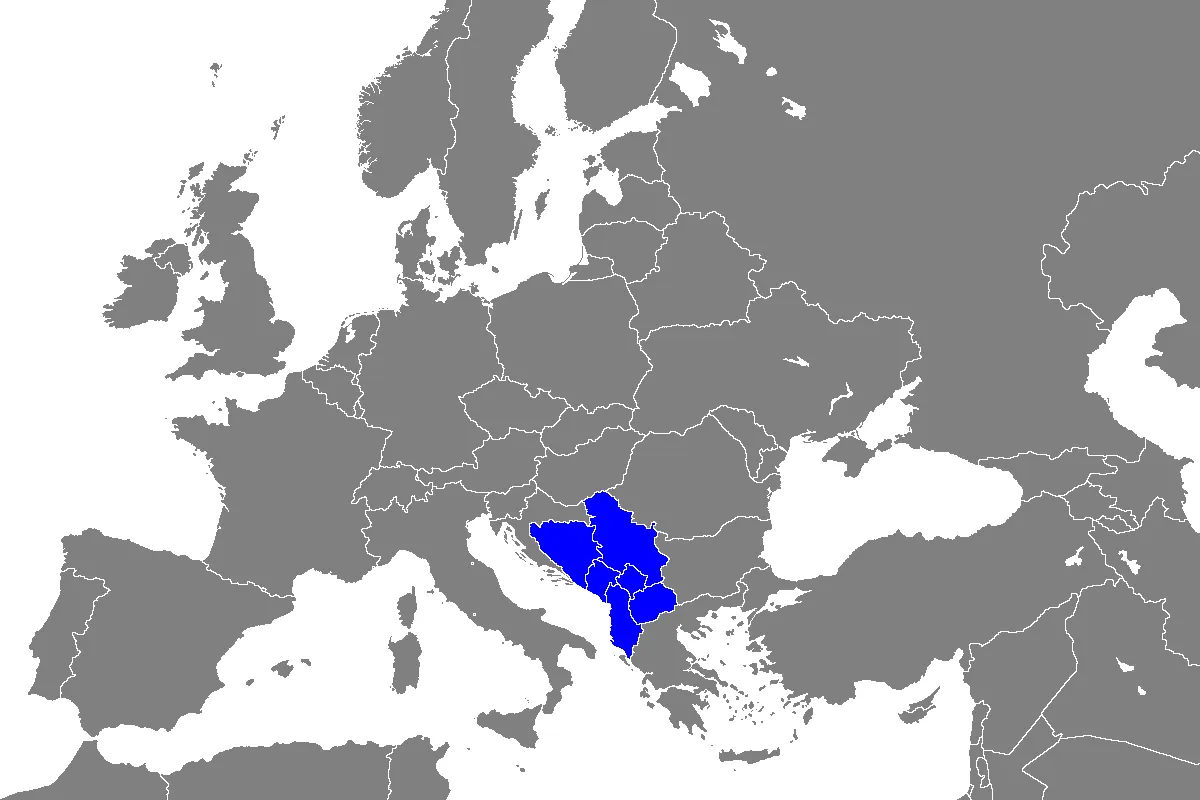
Montenegro has advanced the furthest in negotiations, but its example does not suggest that accession is near or certain. It has been negotiating for 14 years, showing how lengthy and politically sensitive the enlargement process is.
Why This Matters for Croatia
For Croatia, this debate is particularly important because of the Western Balkans. Zagreb wants neighboring countries to be stable, reformed, and firmly connected to European institutions. However, membership alone does not guarantee stability.
If the EU admits countries that have not resolved issues of rule of law, foreign policy orientation, and respect for joint decisions, these problems will not disappear after joining the Union. They will simply move to the same table where Croatia already sits. The question is no longer just when the EU will enlarge, but what kind of Union will remain after that enlargement.