French Nuclear Fleet: Record 20.4% Unavailability
As many as 13 of EDF's 57 reactors were shut down or operating at reduced capacity on Wednesday, marking the highest share of missing capacity due to environmental reasons since records began.
As many as 13 of EDF's 57 reactors were shut down or operating at reduced capacity on Wednesday, marking the highest share of missing capacity due to environmental reasons since records began.
France's nuclear fleet, a key pillar of the European power grid, hit a historic high in environmental unavailability on Wednesday, August 12, 2026. According to an AFP calculation, the share of missing capacity rose to a record 20.4 percent.
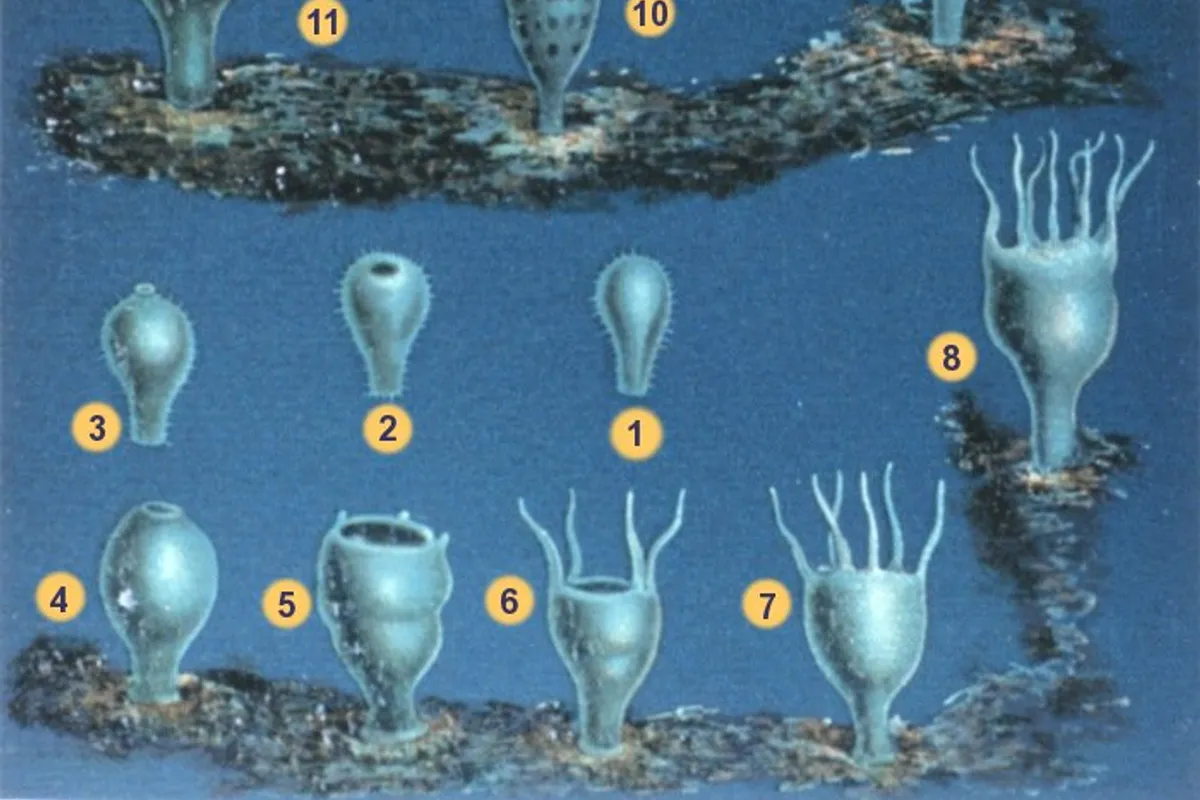
This extraordinary situation results from a double blow: a heatwave sweeping across France and a massive influx of jellyfish into the cooling systems of the Gravelines nuclear plant in the north of the country. As a result, operator EDF was forced to shut down or reduce output at 13 of its 57 reactors.
While high temperatures in rivers and seas used for reactor cooling are a common summer challenge for nuclear plants, the situation at the Gravelines plant (Nord) is particularly unusual. There, three reactors had to be shut down on Monday directly due to a "massive influx of jellyfish" into the seawater pumping stations.
The remaining 10 affected reactors across the French fleet are facing operational restrictions or full shutdowns due to heat and drought, which EDF classifies in its reports as "environmental constraints" or "external causes related to the environment." The new peak in unavailability was recorded just before 10 a.m. local time.
AFP calculated the 20.4 percent missing generating capacity figure based on data EDF has published since 2015. This means that nearly one-fifth of the total capacity of the French nuclear fleet is currently offline or operating well below nominal levels. This percentage represents an absolute record in the category of environmentally induced outages.
Although France traditionally exports large amounts of electricity, this development could further strain an already tight European energy balance during the summer months, especially in the context of high temperatures that increase cooling demand.