Frane Frleta: A Man Can Leave His Homeland
The leader of the Klapa Sveti Jakov talks about the new song 'Tu u zemlji dide', the emotions it stirs, and why preserving tradition is the most contemporary story of today
The leader of the Klapa Sveti Jakov talks about the new song 'Tu u zemlji dide', the emotions it stirs, and why preserving tradition is the most contemporary story of today
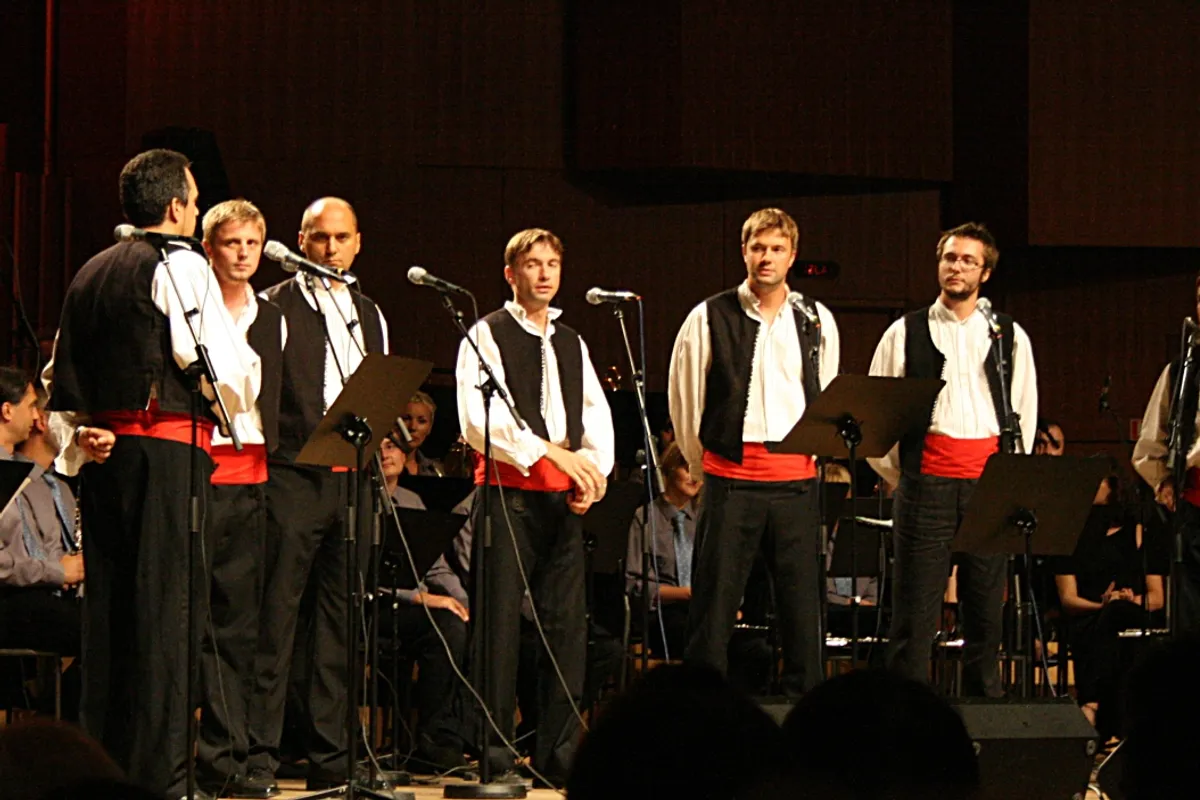
The new song by Klapa Sveti Jakov, "Tu u zemlji dide", is an occasion to discuss a much broader question: how much are we defined by the place we come from, our family, language, customs, and the memories we carry with us. Although the song originates from the Dalmatian region, its theme easily resonates with anyone who has ever felt nostalgia for their homeland or the people they left behind.
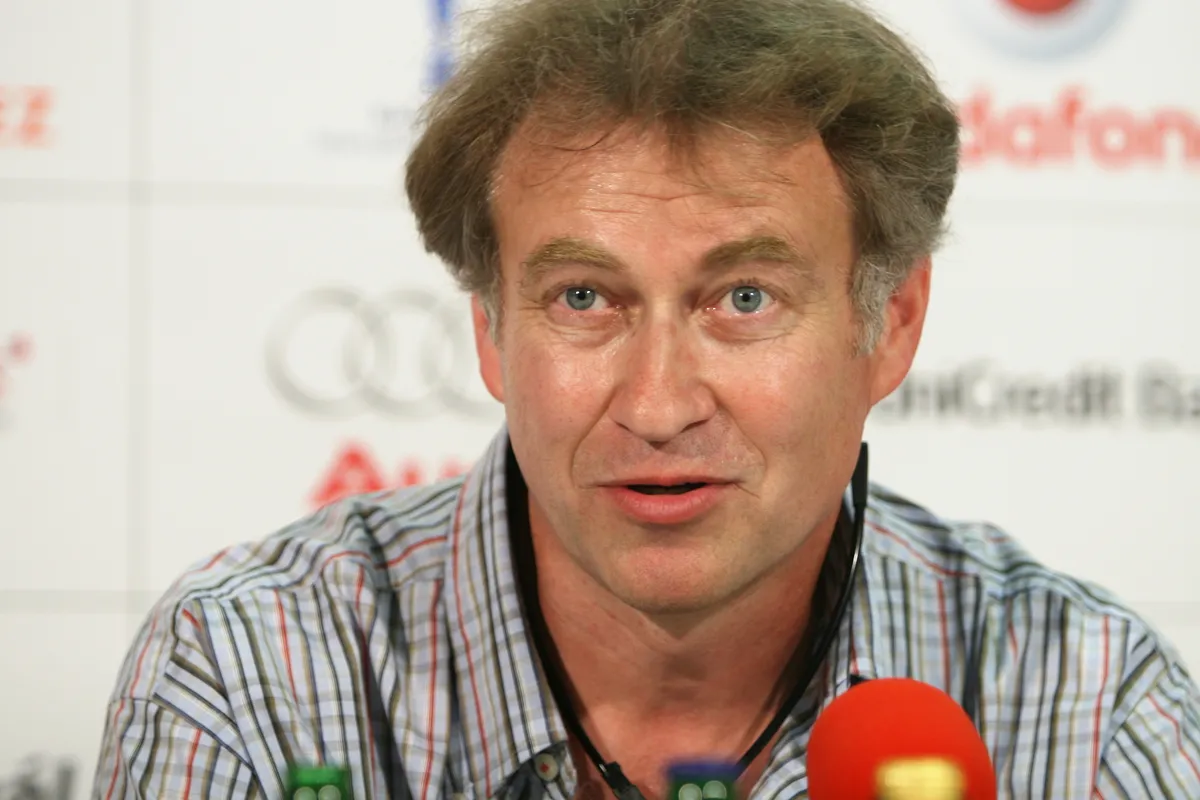
Frane Frleta, the leader of Klapa Sveti Jakov and the composer of the music, spoke about this for Novi list.
When asked whether a person can ever truly leave their homeland, Frleta responds that people from all parts of Croatia have left for various reasons, and very few truly wanted to. Even those who left in search of adventure felt a longing for their native place in their later years.
"In my family, I have people who left their homeland, and when I saw their tears as they listened to this song for the first time, it became completely clear to me that it was about that indescribable warmth one feels only in their own home, in their own region, among their own people," Frleta said.
In a world of consumerism and social media that create a "faceless, almost universal being," Frleta sees a natural self-defense. Our identity is woven from language, customs, and the songs sung by grandmothers, grandfathers, and ancestors, and only when we feel it slipping away do we become aware of how important it is to us.
As a composer, Frleta has never thought about writing a hit. The most important thing to him is that he is satisfied with the song, that he wants to listen to it, and that he genuinely likes it.
"I don't create music in a serial way to hit the market, but rather I strive to paint the lyrics I set to music with the music itself," he emphasizes.
He often finds inspiration in the life stories of ordinary people, and the audience's perspective is extremely important to him because, as he says, he creates for them.
Frleta believes that music can take a person back to where they started. He recounted an experience from his teenage years when he performed at a nursing home with a repertoire he had prepared especially for the occasion.
"When I performed it, I saw with my own eyes how their faces and gazes changed, as if they had momentarily become younger. That is a sight I will never forget. That's why I can say that this is the true power of music, sometimes stronger than any medicine," he recalls.
Speaking about the Croatian music scene, Frleta notes that the repertoires of wedding and entertainment bands have almost no new songs. We live in a time of enormous noise due to the vast amount of new material, and today practically anyone can release a song from their mobile phone. The value of songs will be shown by time, he says, reminding that in the Littoral region there are several songs that didn't catch on at first but are now an indispensable part of the repertoire.
When asked whether klapa music can tell contemporary stories, Frleta replies that preserving tradition is precisely the most contemporary story we can tell today. Patriotism, for him, is not wrapping oneself in a flag or shouting slogans, but the daily work of preserving heritage, language, customs, tradition, and music.
"Klapa music is sometimes harder to combine with the most modern forms of popular music, which is often aggressive, due to the very nature of four-part singing, which carries great expressiveness and complexity. However, this does not prevent the klapa from creating new material while preserving heritage at a high artistic level," he explains.
The message he would like people to take away after listening to "Tu u zemlji dide" Frleta himself only understood when he first watched the video. What we see and hear are actually the values of all of us: family, togetherness, and love for one's native region.
"Deep down, I think we all carry love, and it is precisely that which we lack most today. I hope people will feel warm at heart while watching this video because it contains sincere emotion," he concludes.