Nenad Buzjak, President of the Croatian Geographical Society, warned on Tuesday, August 18, 2026, of serious risks associated with hazardous waste illegally dumped in Lika. During a conversation with N1 journalist Hana Nanić, Buzjak emphasized that this is karst terrain with numerous fissures, which allows contamination to spread to groundwater.
Illegal Dumping in Karst as a Key Issue
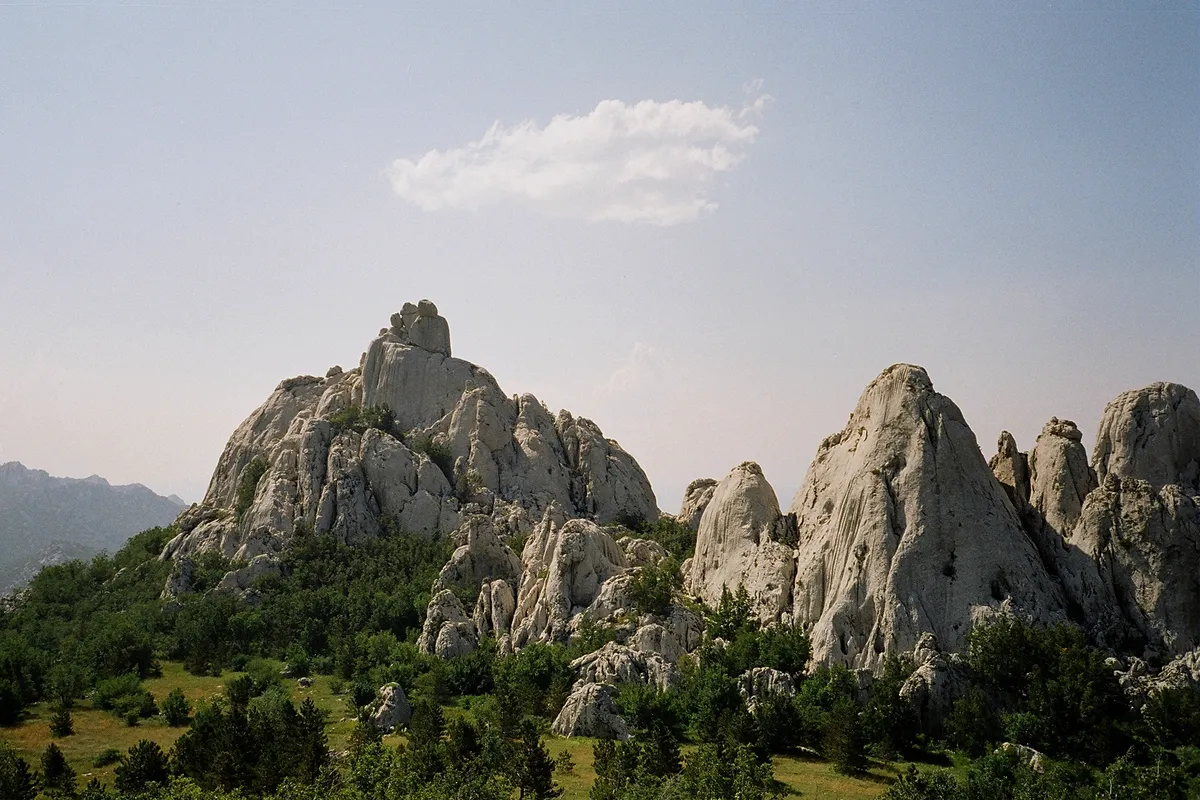
Buzjak stressed that the greatest cause for concern is precisely the fact that illegal waste dumping, including waste with hazardous properties, occurred in a karst area. "What is crucial here and a reason for concern and caution is that illegal waste dumping, which, among other things, contains waste with hazardous properties, occurred in a karst area. That is the biggest reason for concern, which is why the response must be very fast," said Buzjak. He added that the consequences may not be immediately visible but could have a cumulative effect.
Unpredictability of Karst Complicates Risk Assessment
He also commented on statements that the landfill cannot affect the springs from which Gospić gets its water supply. He warned that rules about karst cannot be blindly applied from one area to another. "What experts know about karst is one rule, and that is that there are no rules in karst. So, there are certain patterns of natural processes that apply to all karst areas. However, you cannot blindly apply these rules from one area to another. Especially not here, where the geodiversity of karst is very high, where geomorphological, geological, and hydrogeological conditions can change over a relatively small area," Buzjak explained.
Easy to Damage, Hard to Protect
The expert particularly emphasized the vulnerability of karst areas to pollution. "A very big problem with karst is that it is highly susceptible to pollution and very difficult to protect, yet very easy to destroy forever," warned Buzjak. Once remediation is complete, he adds, continuous groundwater monitoring must be introduced to detect any potential spread of contamination in a timely manner and avoid greater damage to nature.