Güttler explains why SRUUK was not activated during the fire near Omiš
Ivan Güttler clarified how the early warning system works, how often it is activated, and what concerns him most about Croatia's protection against extreme weather events.
Ivan Güttler clarified how the early warning system works, how often it is activated, and what concerns him most about Croatia's protection against extreme weather events.
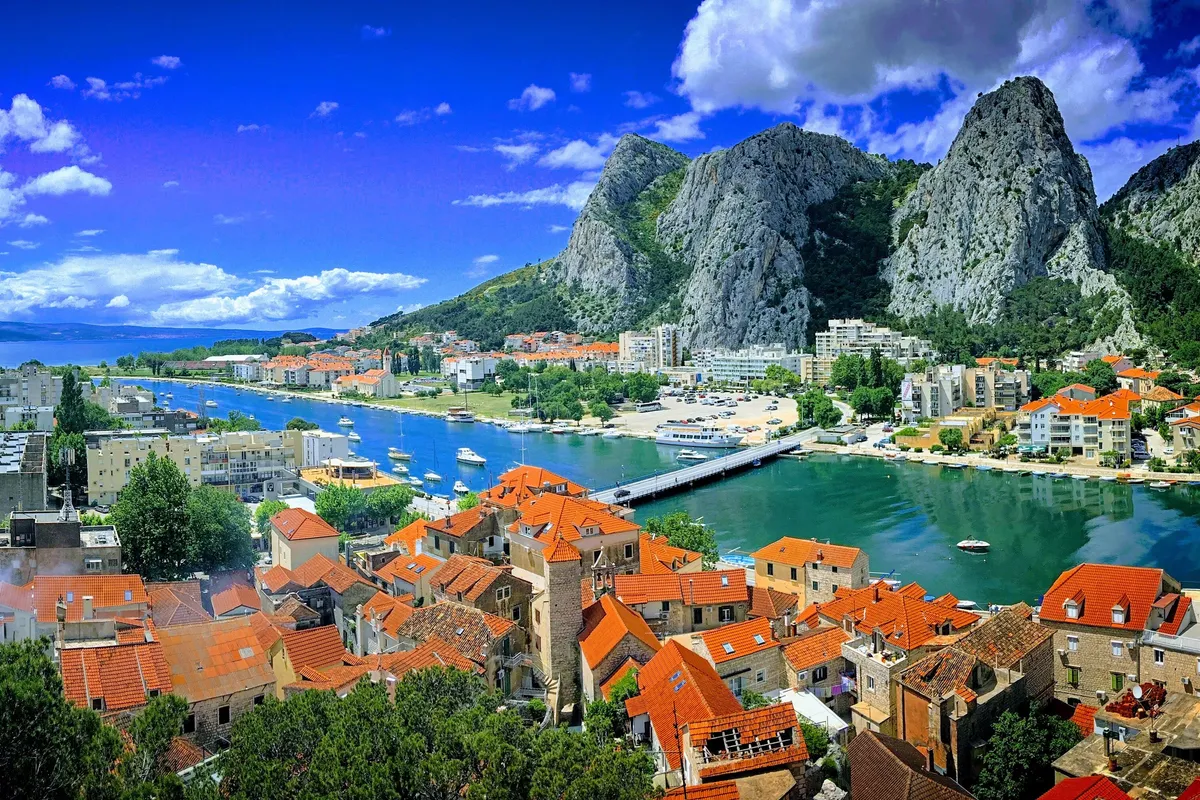
The fire that broke out near Omiš on the night before August 19, 2026, raised the question of why the SRUUK, the early warning and crisis management system, was not activated. After the fire broke out, many wondered in the following days why the alarm system did not go off, especially since the incident occurred during the night hours.
DHMZ chief Ivan Güttler explained to N1 that there are two main channels through which the public is warned about dangerous weather conditions. "We have two main channels. Our primary channel is the so-called Meteoalarm, and that term has become part of general culture. The SRUUK system is an additional communication channel," said Güttler.
According to his words, SRUUK is activated very rarely. "We activate that system one to two times a year so far, and we are responsible for that part of weather disasters," Güttler stated. He added that since 2023, DHMZ has ordered the activation of that system in only five situations.
When there are justified indicators that conditions for activating SRUUK could be met within the next day or two, DHMZ begins communication with the Civil Protection Directorate. Then the content of the message is prepared, and a decision is made on whether to issue an order for its sending.
Güttler also commented on the state of Croatia's system for protection against extreme weather events. He pointed out that significant funds have been invested in the last ten years, but the lack of experts is becoming an increasing problem. "In the last ten years or so, huge funds have been invested, but my concern is that we are slowly running out of expert staff," concluded Güttler.
During this summer, Croatia and the region of Central Europe faced three main challenges simultaneously: high temperatures, water scarcity, and the danger of forest fires.