HGSS in Paklenica Already 33 Interventions
Paklenica National Park is under great pressure from tourists and climbers, and rescuers warn of the necessity of good preparation, equipment, and caution on trails and rocks.
Paklenica National Park is under great pressure from tourists and climbers, and rescuers warn of the necessity of good preparation, equipment, and caution on trails and rocks.
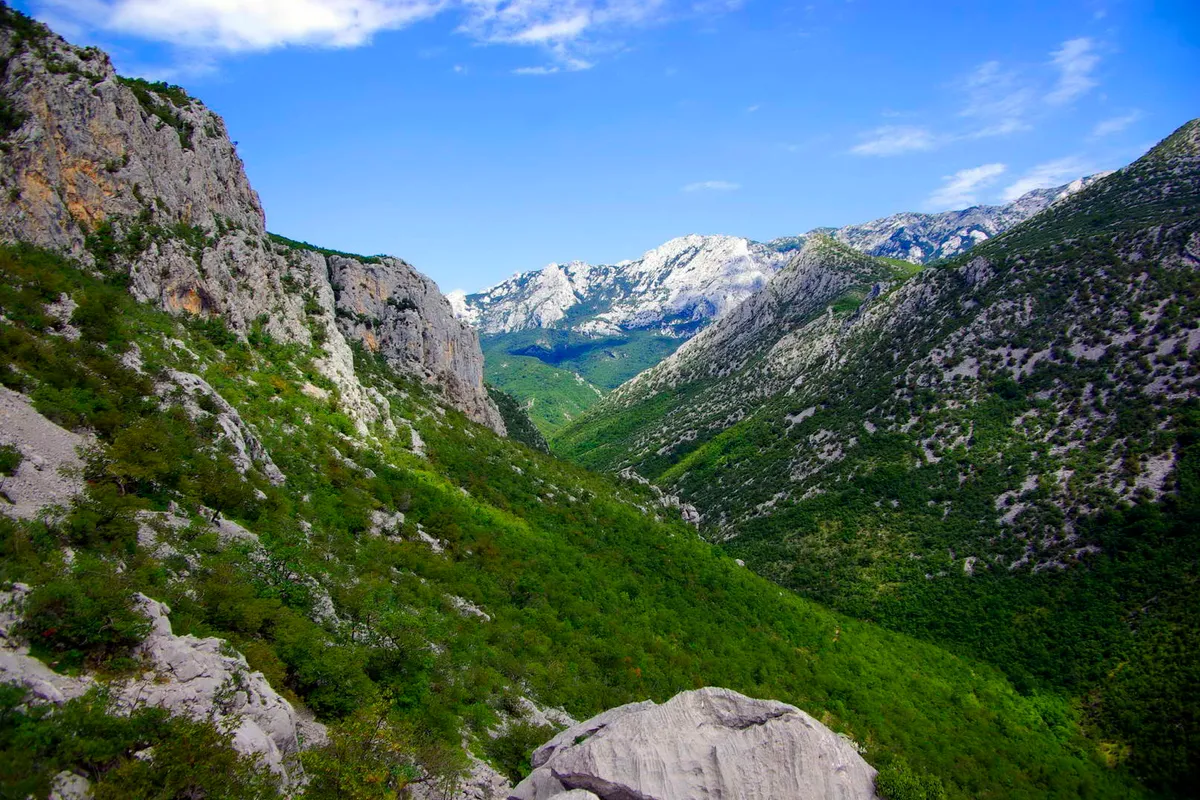
The Croatian Mountain Rescue Service (HGSS) in the Zadar area has already recorded 33 rescue operations this season, with Paklenica National Park being one of the most demanding areas for their interventions. Deputy Chief of HGSS Station Zadar, Filip Bach, confirmed that the summer months are particularly challenging due to a combination of high temperatures, inaccessible terrain, and a large number of visitors.
"So far, we have had 33 interventions, that is, rescue operations," Bach said for HRT. He particularly emphasized the difficulty of rock rescues, where coordination with helicopters from the Ministry of the Interior (MUP) or the Ministry of Defense (MORH) is sometimes necessary. "During the summer months, dehydration is most common, there are also fractures, arms, legs, and quite a few search operations that require our quick reaction," he added.
Paklenica is extremely popular among foreign climbers precisely because of the easy access to the rocks. Sixteen-year-old Zoyta from Hungary, who often hikes with his family, highlighted the advantages of this area. "Paklenica is very open, the access to the rocks is nice, you don't have to walk two or three hours to find climbing rocks," he said.
However, this very accessibility can mislead inexperienced visitors. Zoyta explained in detail the importance of equipment: "Chalk prevents sweating of the hands while climbing, otherwise you can slip. Shoes are also important. The rope is probably the most important, it's for your own safety." He particularly warned of the danger when a climber is above the last anchor point. "The quickdraws that hold the rope are also for safety, they clip into the rock, if you climb above them, you can fall, if the last quickdraw is five or six meters below you. It can be scary if you're above them."
Danica from Slovakia, who came to Paklenica on a friend's recommendation, emphasized three key elements for safe climbing. "A good partner who will save you if something happens, equipment, and your own skills," she said. Her words confirm the rule that you should never go into the mountains alone and that a realistic assessment of your own abilities is just as important as physical fitness.
Safety measures are not only for those who climb. Those who come for hiking and enjoying nature also need to be prepared for high temperatures, uneven terrain, and the possibility of encountering wildlife. Toni from Croatia said: "You have to be very careful. It's important to always have a mobile phone with you to call emergency services, it's important to have plenty of water and food, and to be careful, aware that animals are around, and behave in accordance with nature."
In the area covered by Paklenica National Park, visitors should follow marked trails, weather conditions, and their own physical state. Exhaustion, lack of fluids, and reduced attention increase the risk of slipping or taking the wrong path. When symptoms such as dizziness, weakness, or confusion occur, it is important to stop, seek shade, and call for help in time.
The main goal of any climb or walk must be to return home safely. Although Paklenica remains one of the most attractive climbing destinations in Europe, its beauty does not diminish the dangers of mountain terrain. Responsible visitor behavior, the efforts of nature protectors, and the readiness of HGSS are key to ensuring that outings end with pleasant memories, not with difficult rescue operations.