HOPS Reassures: Power Supply Stable
Despite reduced production at Krško nuclear plant and regional issues, Director Blažević assures there will be no blackouts. Rooftop solar panels increasingly reduce the need for grid power.
Despite reduced production at Krško nuclear plant and regional issues, Director Blažević assures there will be no blackouts. Rooftop solar panels increasingly reduce the need for grid power.
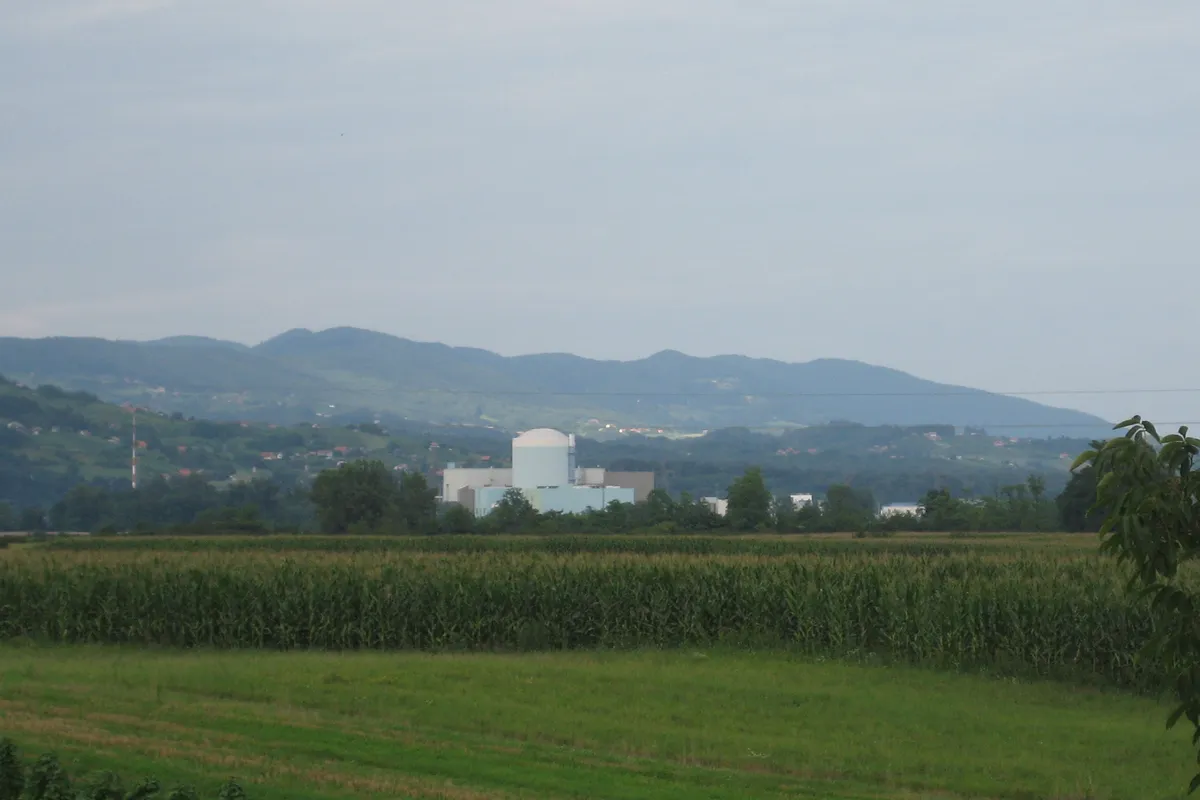
Croatia's electricity supply is not at risk, despite heatwaves and reduced production at the Krško nuclear power plant, says Danko Blažević, Director of the Power System Operations Sector at the Croatian Transmission System Operator (HOPS). In an interview with HRT, Blažević emphasized that the situation is closely monitored daily and that there is no reason for public concern.
"Based on what we see at HOPS, and not just us-assessments are made together with other transmission system operators across Europe-there should be no problems. I would particularly highlight the short-term adequacy assessment, which is especially relevant for this situation. It assesses whether we can meet electricity needs over the next seven days, and this assessment is done daily for the upcoming seven days. According to current data, everything should be fine," Blažević told HRT.
This statement comes at a time when energy systems in the region face multiple challenges. At the Krško nuclear plant, production has been reduced by 20 percent, while Hungary has almost shut down its nuclear power plant. Meanwhile, in Romania, low water levels in the Danube are altering flows and hampering hydroelectric plants, and electricity consumption is rising.
A key factor easing the pressure on Croatia's grid, according to Blažević, is the significant increase in rooftop solar installations over the past two to three years. "We like to distinguish the word 'consumption' from 'load.' Load is what we, as operators-HOPS together with HEP's distribution system operator-deliver from the grid to consumers. Consumers actually consume even more because the number of installed solar panels, popular rooftop solar systems, has grown significantly in the last two to three years. It's evident that consumption is higher than what we deliver to customers," he explained.
Although HOPS does not have precise measurements of self-consumption from solar panels, Blažević notes that the effect is clear. "However, we see it as reduced consumption, or reduced need to deliver energy through the grid to network users."
The HOPS director also commented on price dynamics in the wholesale market, which are directly linked to renewable generation. "This is something that constantly happens in the wholesale electricity market, which small consumers typically don't see much. Every fifteen-minute period, the price is set as the intersection of supply and demand curves. During the day, when there is high solar production-not just here but across the region-prices fall and often go negative. In the evening, when solar panels aren't producing and if there's also a lack of wind, prices escalate," Blažević explained how prices are formed.
Although wholesale prices sometimes "fly to the sky" during certain periods, Blažević reassures citizens that these fluctuations typically do not directly spill over into household bills.