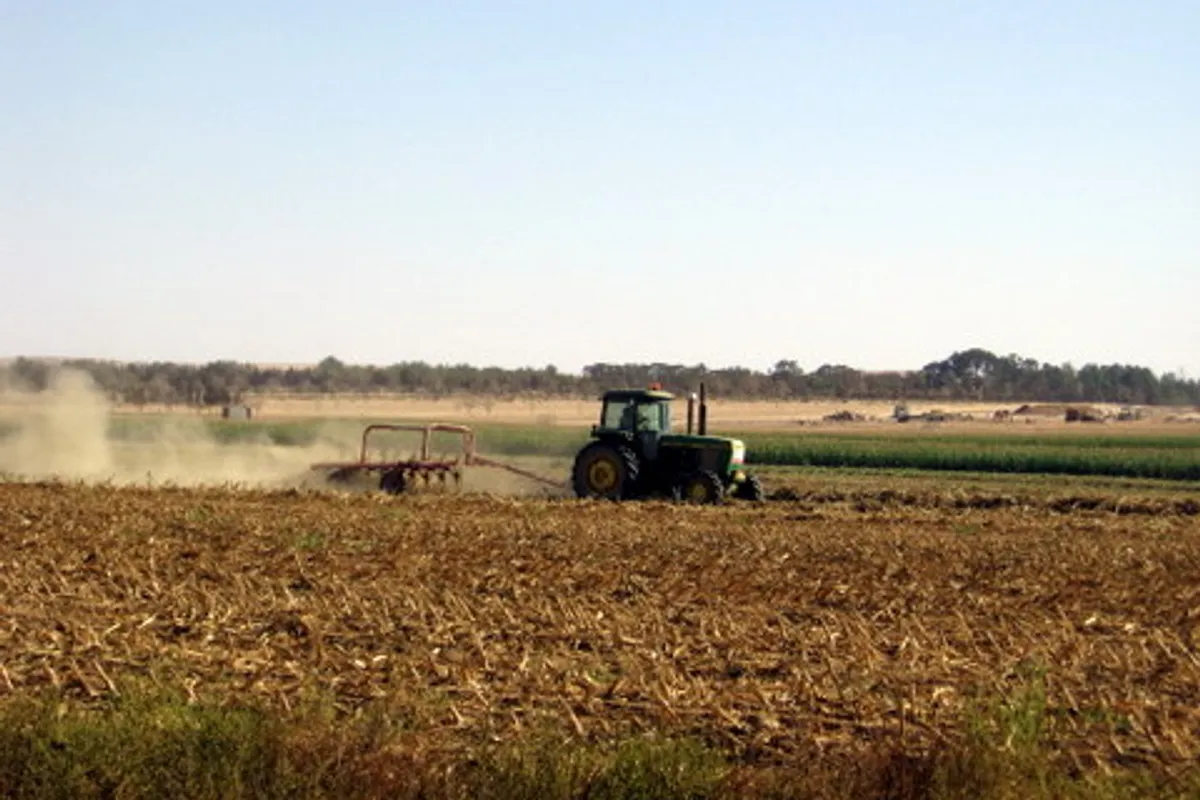
Croatia faces a deep paradox in its own agriculture. Despite possessing natural resources and exporting hundreds of thousands of tons of grain, the foreign trade deficit in agricultural and food products consistently exceeds €2 billion annually. Instead of being a food exporter that supplies the domestic population and millions of tourists, the country has become deeply dependent on imports.
Structural Paradox: Exporting Raw Materials, Importing Finished Products
Annual imports in the "food and live animals" category exceed €5 billion. Although Croatia achieves trade surpluses in crop production, primarily in wheat, corn, and oilseeds, a key problem emerges: cheap raw materials with low added value are exported, while expensive processed products are imported.
The largest import items include bakery and confectionery products, whose import value has even surpassed pork imports. Every other loaf of bread or pastry on the shelves comes from abroad. Meat and meat products also rank high, with self-sufficiency in pork falling to just around 50 percent. A similar decline is seen in beef and poultry, often importing frozen meat of lower quality. Additionally, domestic milk production has been declining for years, and thousands of small dairies have shut down, resulting in massive imports of drinking milk, cheeses, and butter. Apart from cabbage and mandarins, Croatia is not self-sufficient in any other fruit or vegetable crop.
Roots of the Problem: Low Productivity and Fragmentation
Why can't Croatia produce enough food on its own? The problem is not a lack of resources but a combination of structural weaknesses. Croatian agricultural productivity stands at only about 30 percent of the European Union average. The average family farm (OPG) owns small, fragmented plots that prevent the use of modern machinery and increase costs.
The lack of processing and logistics capacities further complicates the situation. Without cold storage, dryers, packaging facilities, and distribution centers, small farmers during harvest must sell goods below cost or let them spoil. Pressure from large retail chains, which demand consistent volumes and low prices, forces retailers to turn to large European distributors because fragmented domestic producers cannot meet procurement conditions. Additionally, long-standing market disruptions, low purchase prices, and slow administration have led to a drastic reduction in livestock numbers, which are crucial for creating added value.
A Recipe for Rural Survival: Subsidy Reform and Infrastructure
To halt the emptying of rural areas, it is essential to change how agricultural policy is managed. The subsidy system, which for years has been paid "per hectare" regardless of production, needs to be reformed and directly tied to delivered quantities and created added value. Support should be directed at medium-sized family farms (5 to 30 hectares), which should be the backbone of the Croatian countryside but often fall out of EU fund competitions.
Beyond economic measures, quality of life is also crucial. Young people will not return to the countryside solely for subsidies if they lack kindergartens, quality schools, health clinics, broadband internet, and affordable housing. Additionally, bureaucratic barriers that discourage younger generations, such as complicated allocation of state agricultural land, need to be removed.
European Signposts: Netherlands, Poland, and Austria
Several European countries offer models for transformation. The Netherlands, smaller in area than Croatia, is the world's second-largest exporter of agricultural products, right behind the United States. Their success is based on cooperation between the state, scientific institutes like Wageningen University, and farmers themselves, using greenhouse technology and precision agriculture.
After joining the EU, Poland used funds to modernize small and medium-sized farms and build hundreds of local cold storage and processing facilities. Instead of exporting raw materials, they became a leading producer of poultry, apples, and dairy products. Austria built its model on branding and organic production, with over 25 percent of its area under organic farming, and on directly linking agriculture with tourism, selling premium products directly to guests.
For Croatia to reduce import dependence and bring life back to the countryside, a shift from passive subsidies to active investment in cooperatives, logistics, processing, and technology is necessary, along with strategically linking domestic agriculture with the tourism sector.