Croatia Will Not Block Catalan as an Official EU Language
The Ministry of Foreign Affairs conditioned its consent on an assessment by the relevant EU Council services, while Catalan media claim otherwise.
The Ministry of Foreign Affairs conditioned its consent on an assessment by the relevant EU Council services, while Catalan media claim otherwise.
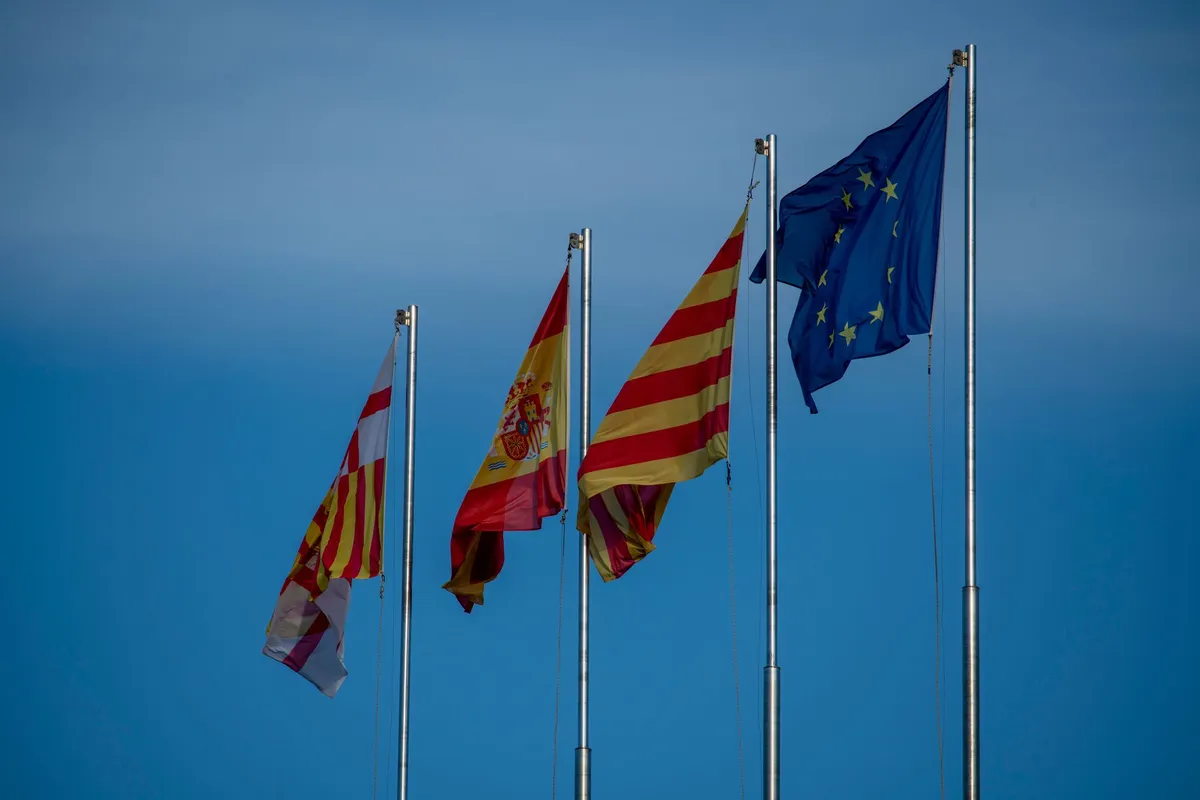
On Thursday, August 13, 2026, the Croatian Ministry of Foreign Affairs announced that it will not block the inclusion of Catalan, Basque, and Galician in the list of official EU languages, but only if the relevant services of the EU Council determine that Spain's request is well-founded.
In a response to Hina, the ministry stated: "Croatia supports the principle of multilingualism and cultural diversity within the European Union. Accordingly, if the relevant services of the EU Council assess that Spain's request is justified, Croatia will not oppose the inclusion of Catalan, Basque, and Galician in the list of official EU languages."
Catalan newspaper El Periódico earlier in the day reported that Croatia is among the member states opposing the recognition of these three languages. According to that outlet, due to the required unanimity among all 27 members, the proposal currently has no prospects of being adopted.
El Periódico also lists Germany, Finland, Sweden, France, and Austria among the countries that have expressed opposition or serious reservations. Belgium, Ireland, Portugal, Romania, and Slovenia have more or less openly expressed support for the proposal.
Spain's left-wing government officially requested in August 2023 that Catalan, Basque, and Galician be granted official language status in the EU. Currently, there are 24 official languages in the European Union, including Croatian.
Catalan is spoken by around 10 million people, Galician by about 2.4 million, and Basque by about 800,000. In parts of Spain, all three languages already hold official or co-official status.
According to the legal service of the EU Council, recognizing these languages might necessitate amending European treaties. The European Commission estimates that annual translation and interpretation costs for these languages could amount to 132 million euros.
Spain has committed to covering these costs, but some countries fear that such a political commitment might not be strong enough if there is a change of government in Madrid. The proposal by the socialist government of Prime Minister Pedro Sánchez has faced opposition from Spain's right-wing opposition.
The Catalan daily reported that this issue was last considered in May 2025, but no vote was held because about ten countries expressed doubts.