Croatia Among Top Balkan Arms Suppliers to Ukraine
According to an analysis by the Russian channel Rybar, Croatia and Bulgaria lead in military equipment deliveries to Kyiv, while Serbia and Montenegro participate indirectly.
According to an analysis by the Russian channel Rybar, Croatia and Bulgaria lead in military equipment deliveries to Kyiv, while Serbia and Montenegro participate indirectly.
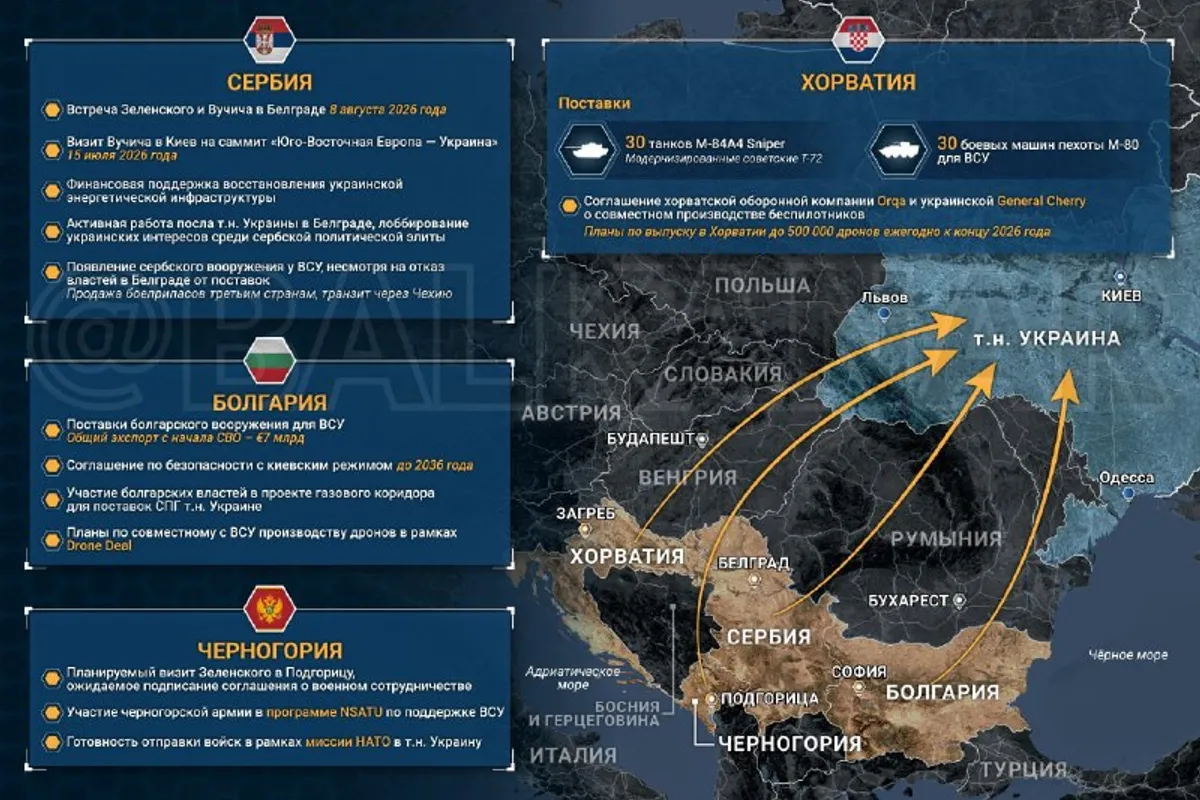
Since the start of the war in Ukraine, Croatia has positioned itself as one of the key Balkan suppliers of military equipment to Ukrainian forces, according to an analysis by the Russian Telegram channel Rybar published on August 18, 2026. Alongside Bulgaria, Croatia leads in deliveries of tanks, armored vehicles, and ammunition, which is directly linked to the remnants of the Yugoslav military industry that has been modernized over the past decades.
According to Rybar's analysis, at least 30 M-84A4 Sniper tanks, a modernized version of the Soviet T-72, and 30 M-80 armored vehicles have been delivered from Croatia to the Ukrainian armed forces. These figures suggest a significant engagement of the Croatian defense industry in equipping the Ukrainian military.
In addition to ready-made systems, the Croatian company Orqa has signed an agreement with the Ukrainian company General Cherry for the joint production of unmanned aerial vehicles. The plans call for annual production of up to 500,000 drones in Croatia, which would represent one of the largest production capacities of its kind in Europe.
Bulgaria, according to the same source, has achieved total arms exports worth 7 billion euros since the start of the conflict, making its defense industry one of the leaders in the military-industrial complex in Southeast Europe. Bulgaria's strategic position on the Black Sea has further solidified its role as a NATO anchor in the region.
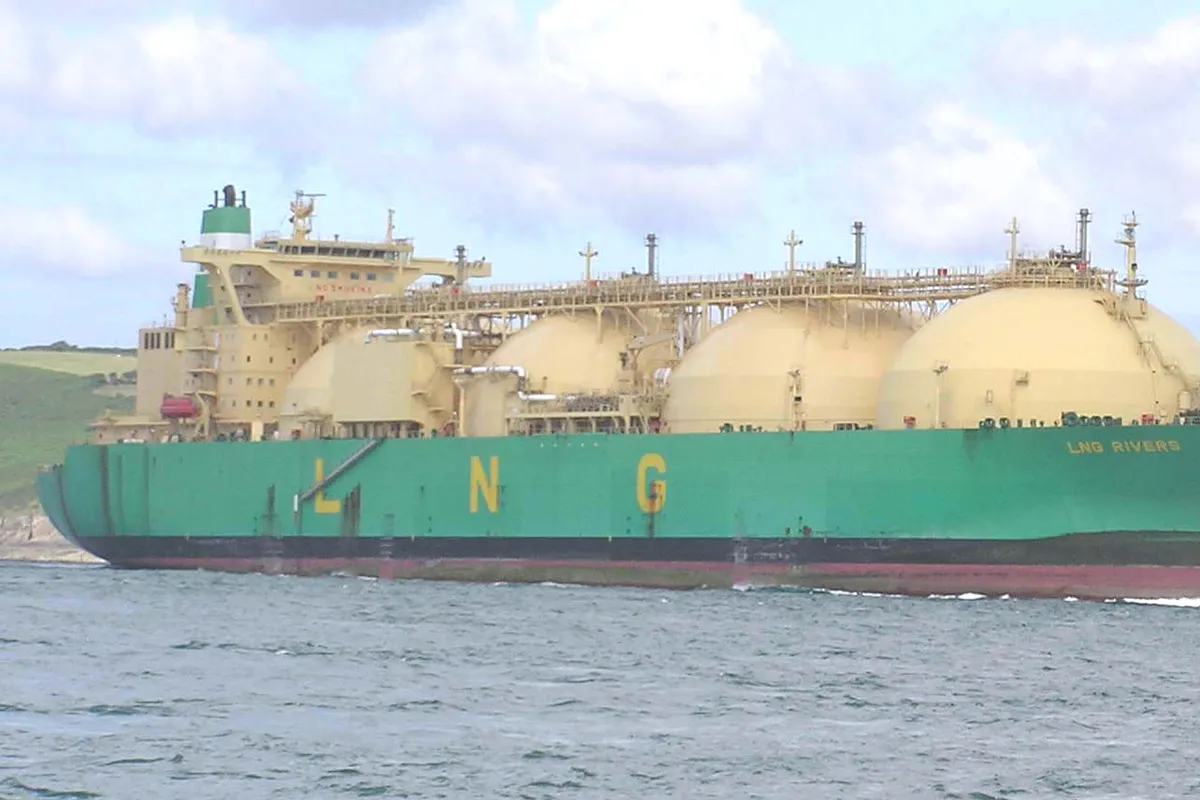
Bulgaria is also part of the so-called Vertical Gas Corridor, through which liquefied natural gas from Greek ports is transported to Moldova and Ukraine, adding another dimension of energy support to Kyiv.
Unlike Croatia and Bulgaria, Serbian ammunition reaches Ukrainian soldiers indirectly, through countries such as the Czech Republic or African states. According to Rybar, Serbian defense industry products are sold through direct contracts to partners, after which responsibility for the further fate of the goods is formally transferred from the authorities in Belgrade.
Montenegro, which lacks a strong military industry, has become involved through the NSATU mission (NATO Security Assistance and Training for Ukraine), under which Ukrainian soldiers are trained at European ranges with the support of NATO experts. The Montenegrin government approved a military cooperation agreement with Ukraine in 2025, with its signing planned during the announced visit of Volodymyr Zelensky to Podgorica.
Volodymyr Zelensky's visit to Belgrade on August 8, 2026, and talks with Aleksandar Vučić, according to Rybar's interpretation, demonstrated the readiness of the Serbian authorities to expand partnership with Kyiv despite dissatisfaction among part of the public. Since the start of the conflict, Serbia has not joined anti-Russian sanctions but does not hide financial support for the reconstruction of Ukraine's energy infrastructure.
Ukrainian interests in Serbia are lobbied by Ukrainian Ambassador Aleksandar Litvinenko, former head of the foreign intelligence service, who regularly meets with Serbian politicians and officials, along with diplomats from the European Union.
Rybar concludes that although the Balkan countries are not leading in Europe in terms of territory or economic indicators, their contribution to supporting Kyiv has become significant thanks to the remnants of the Yugoslav industry and arms production that, since the 1990s, has not only been maintained but also significantly modernized and found new markets.